 EnglishCurrent
 德语
德语 阿拉伯语
阿拉伯语 法语
法语 印尼语
印尼语 日语
日语 韩语
韩语 马来语
马来语 葡萄牙语
葡萄牙语 俄语
俄语 西班牙语
西班牙语 泰语
泰语 土耳其语
土耳其语 越南语
越南语Operators only discover an environmental change during occasional checks.
Compare continuous measurement, local displays and appropriate alarms for parameters that need ongoing visibility.



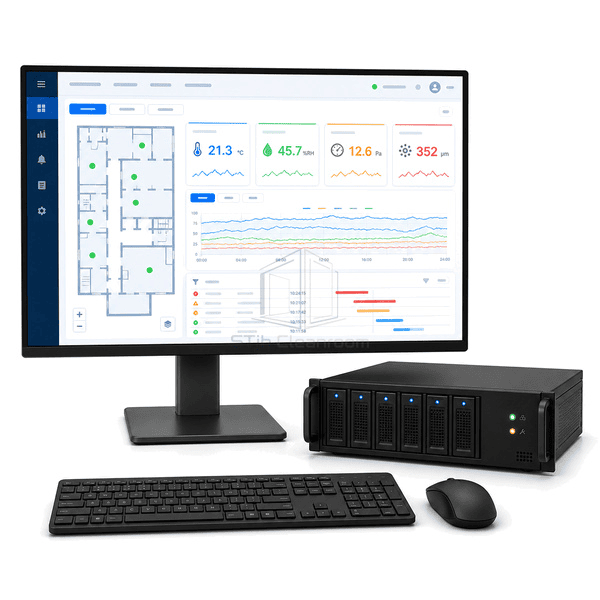
Bring room conditions and equipment status into view with monitoring and control products selected around your critical operating parameters. Explore pressure, temperature, humidity, particle and airflow instruments, together with displays, alarms, gateways and automation systems. Define what needs to be measured, recorded or controlled, and we can help you assemble a product package that supports informed action across your facility.
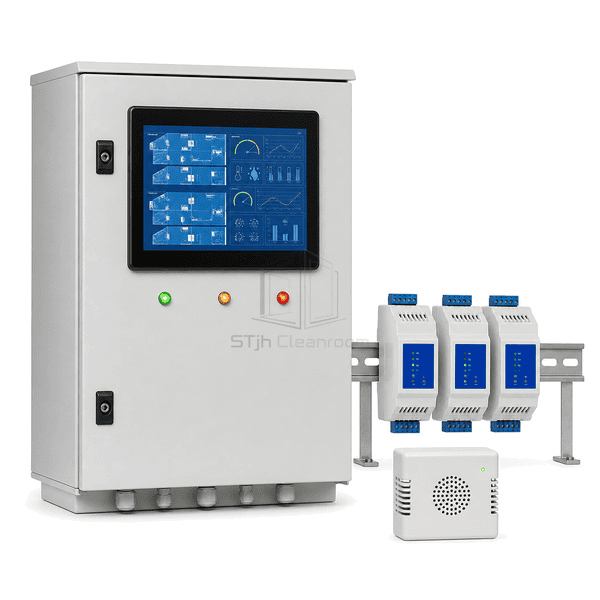
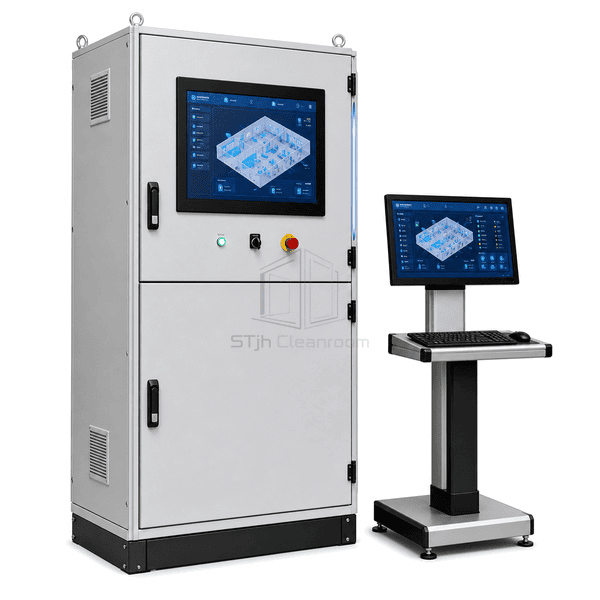
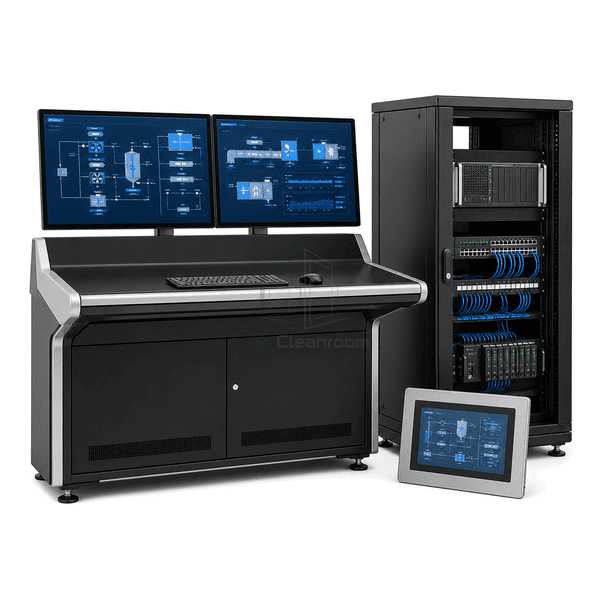
Coordinate room and equipment operation through suitable monitoring or automation platforms. Define measured parameters, control sequences, system boundaries and required interfaces before comparing the available arrangements.
Explore Products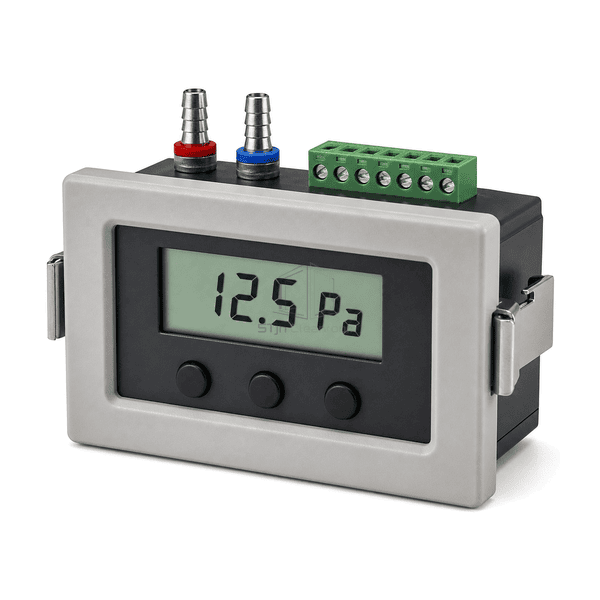
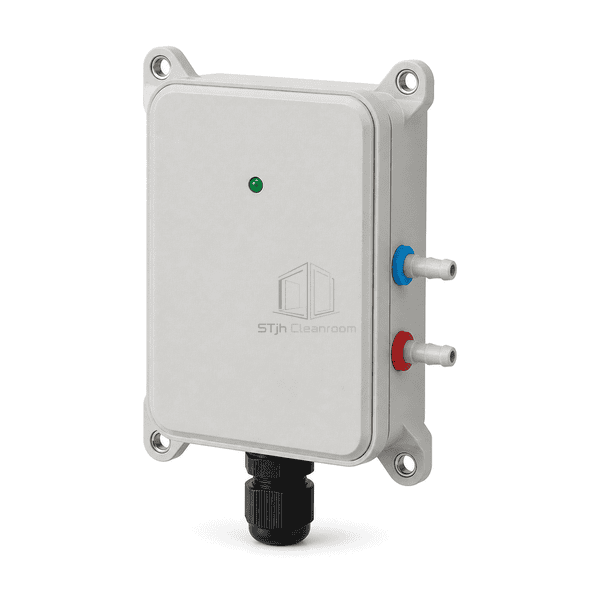
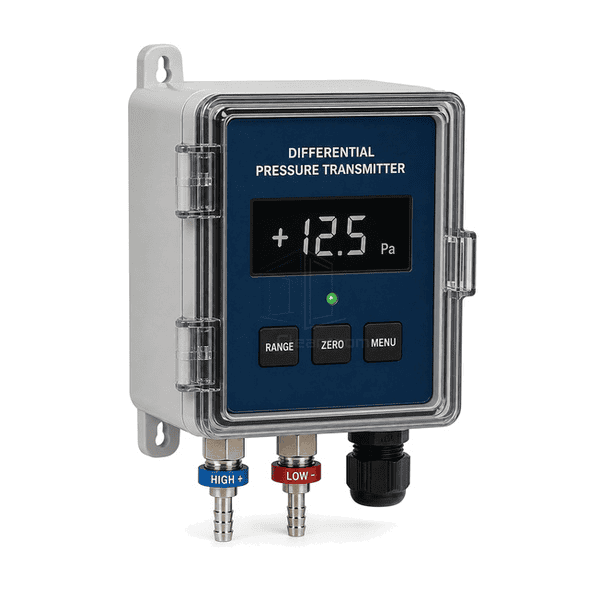
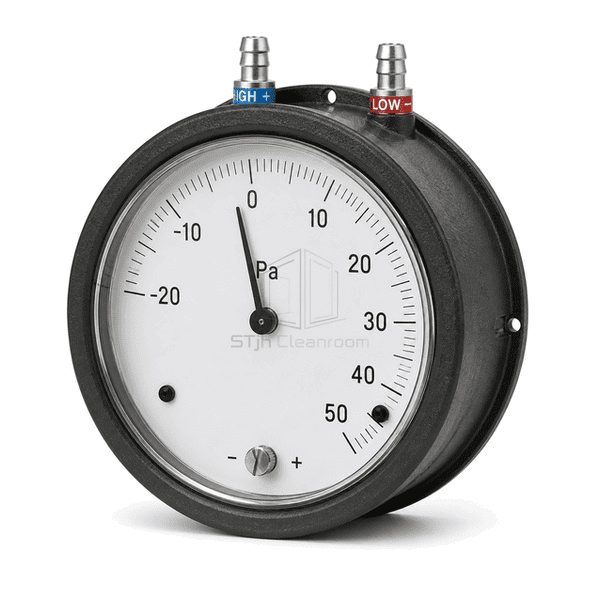
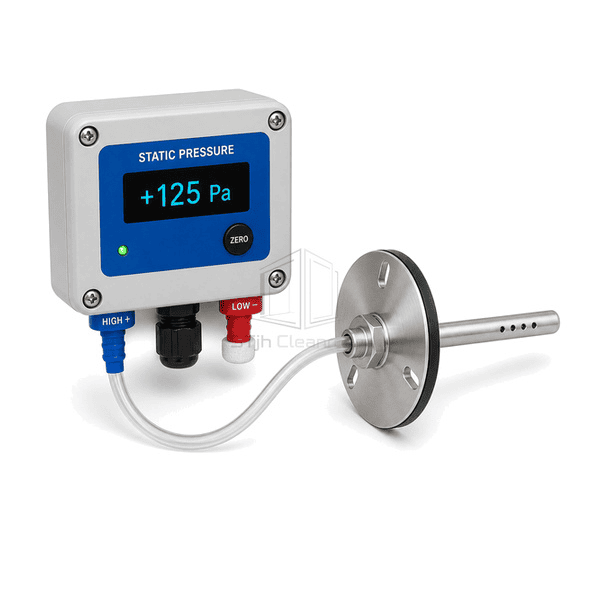
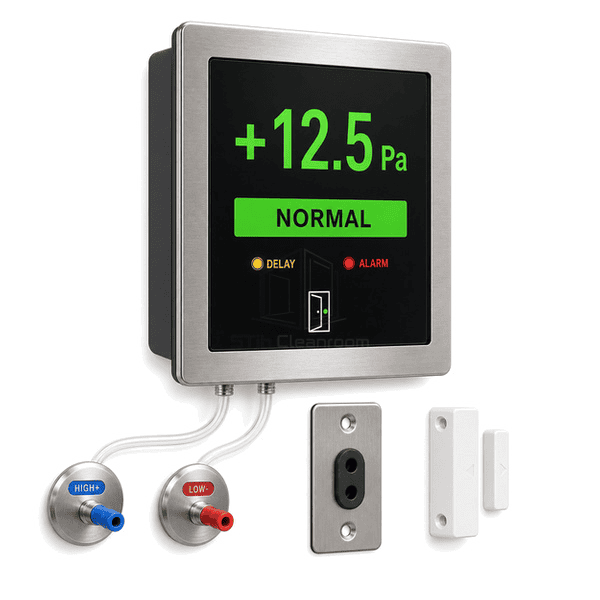
Follow room or equipment pressure with gauges, sensors and transmitters. Match the pressure range, reference points, mounting and output signal to the intended measurement.
Explore Products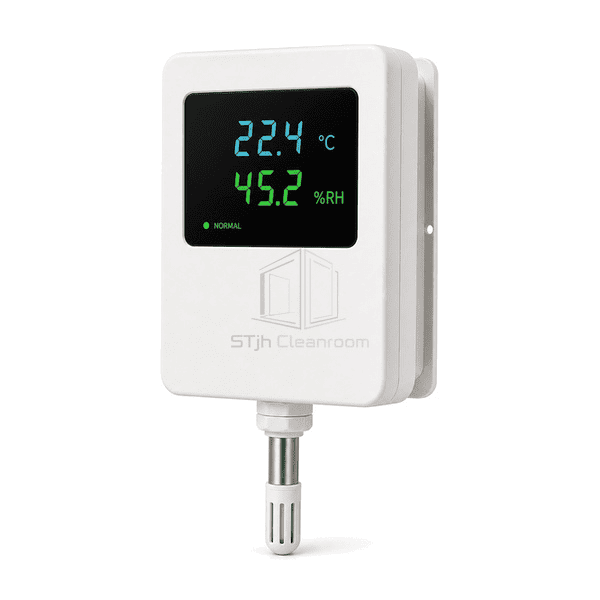
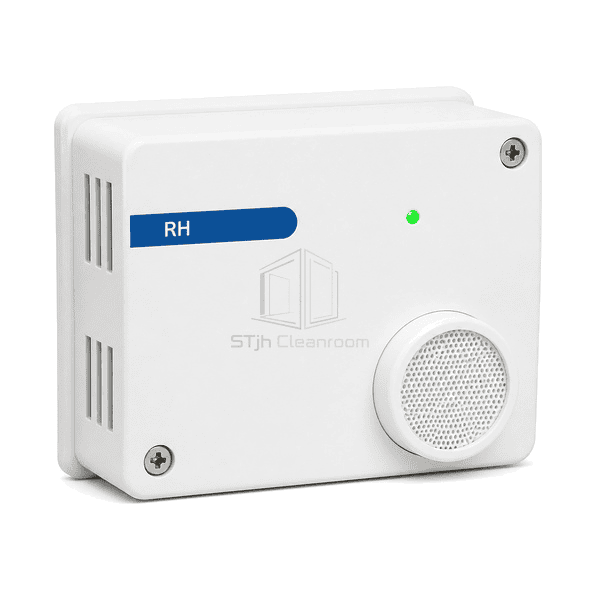
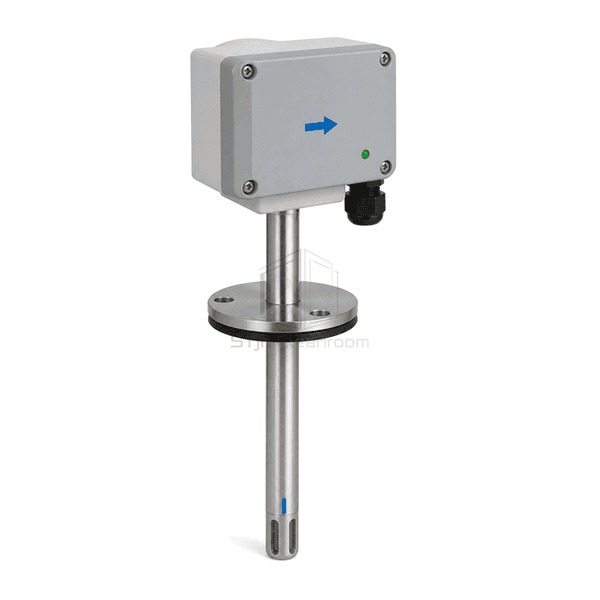
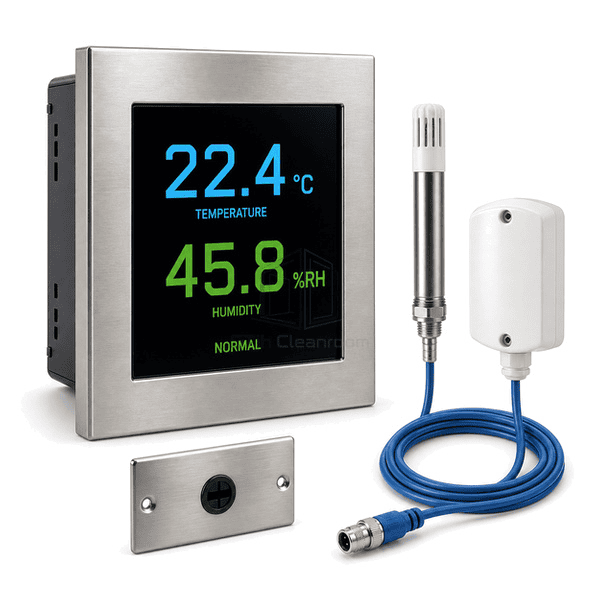
Measure air conditions where they influence the process. Compare separate sensors or combined transmitters using required range, response, installation position and calibration access.
Explore Products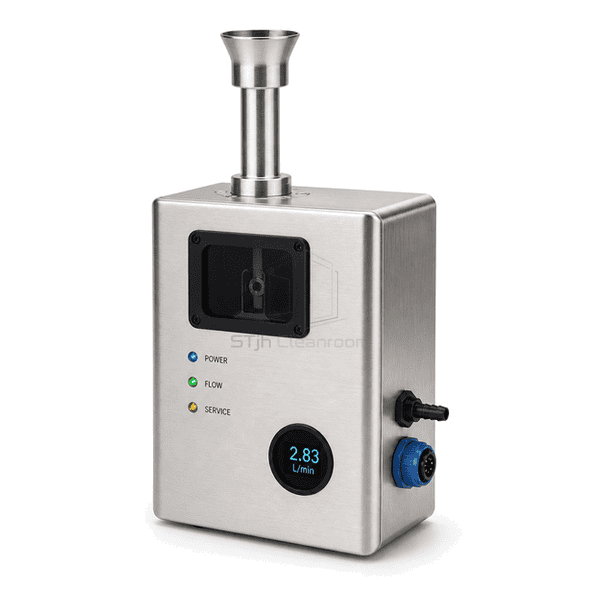
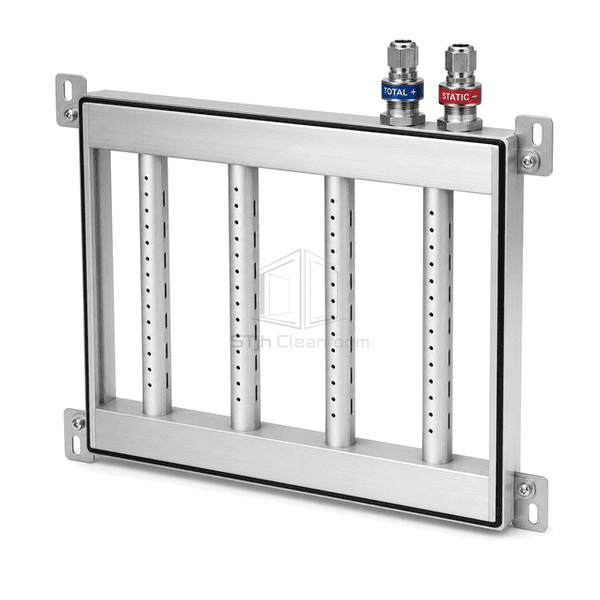
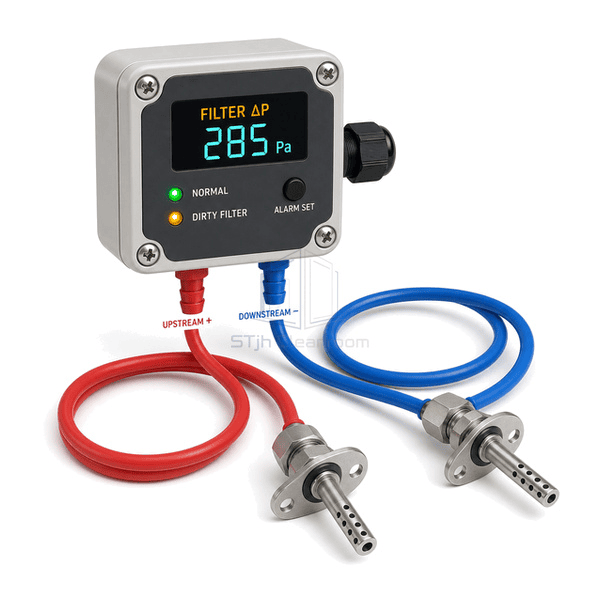
Add measurement points for airborne particles, air velocity, volume flow or filter pressure. Choose the correct instrument for each parameter and its installation conditions.
Explore Products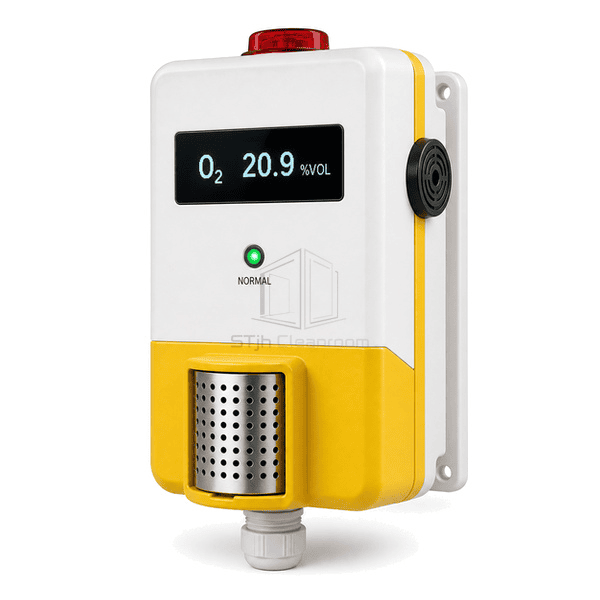
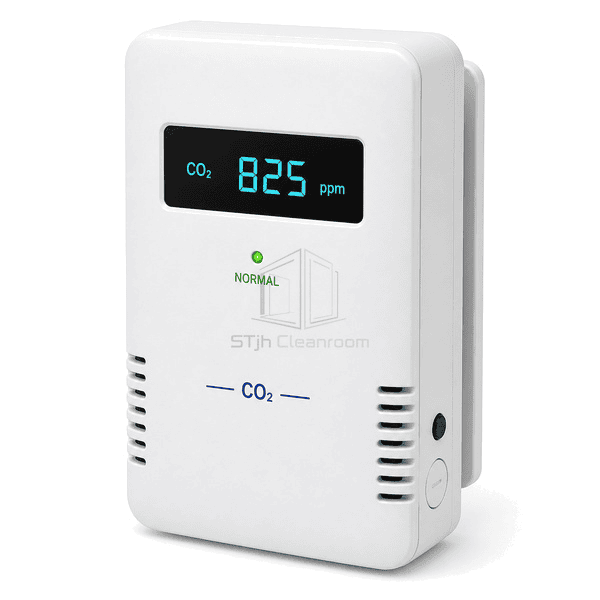
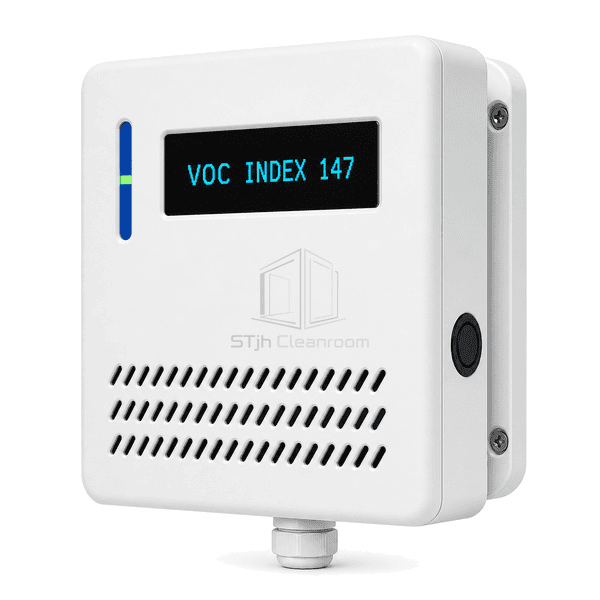
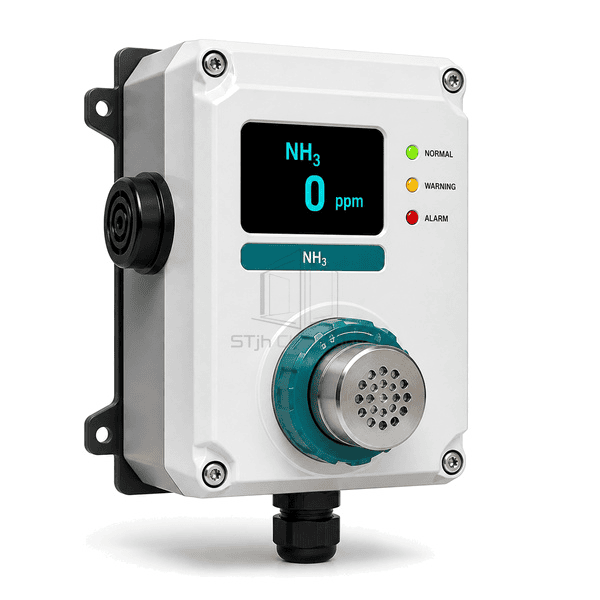
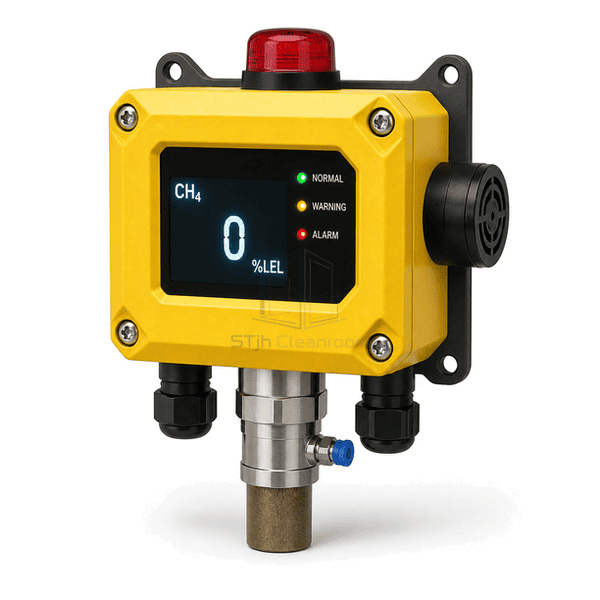
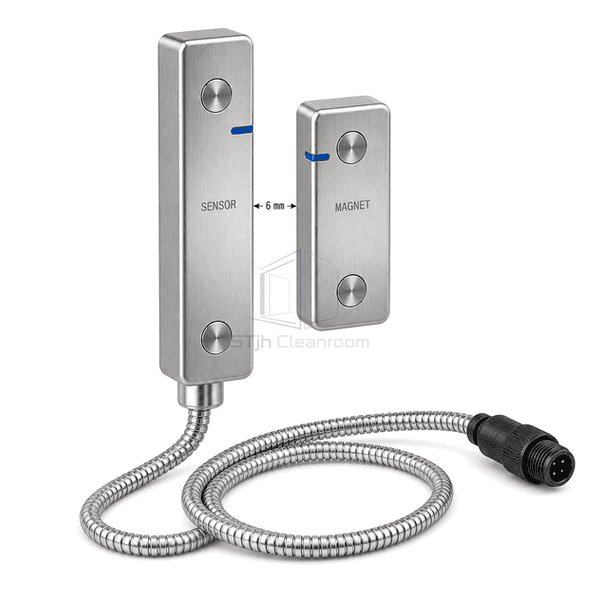
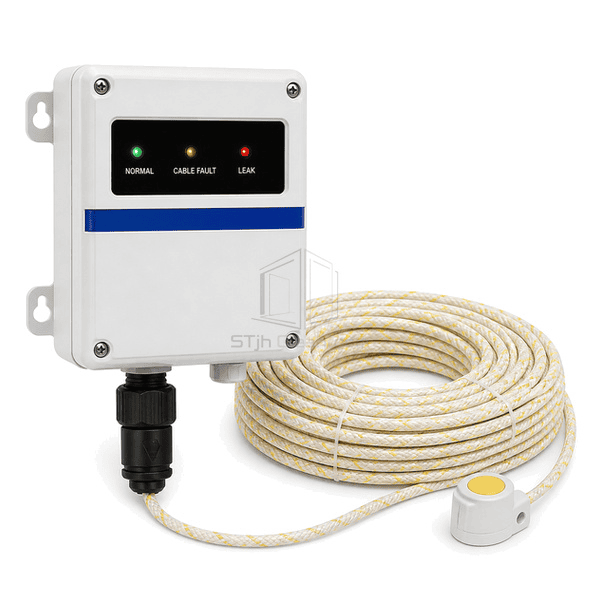
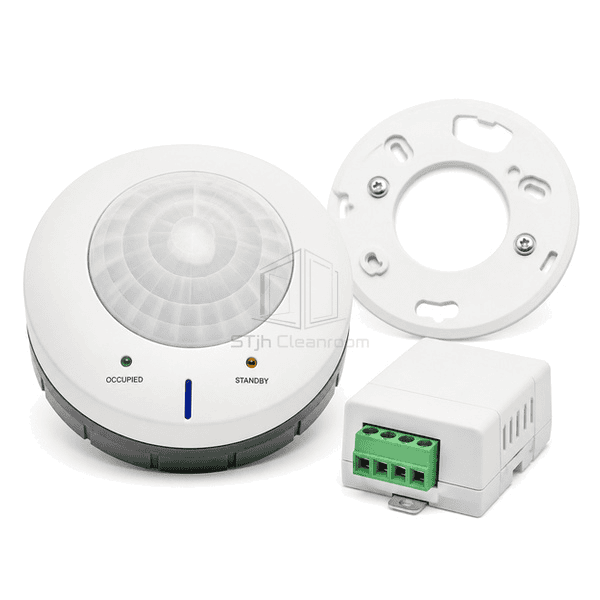
Detect selected gases, leaks or operating states with purpose-matched sensors. Specify the target condition, expected range and required alarm response rather than treating sensors as interchangeable.
Explore Products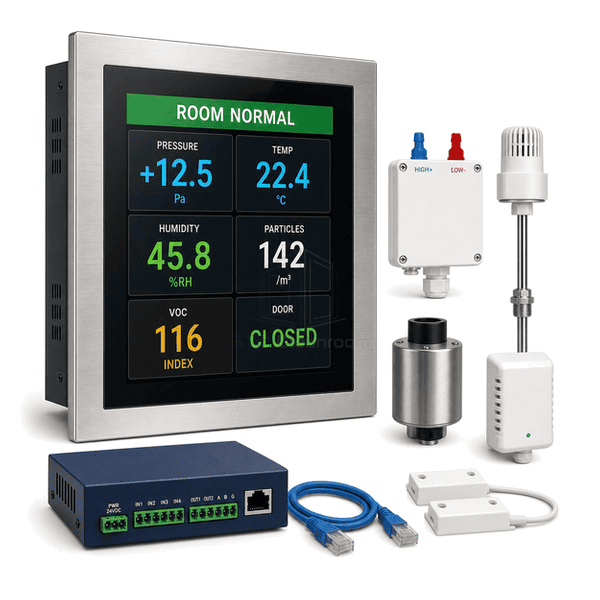
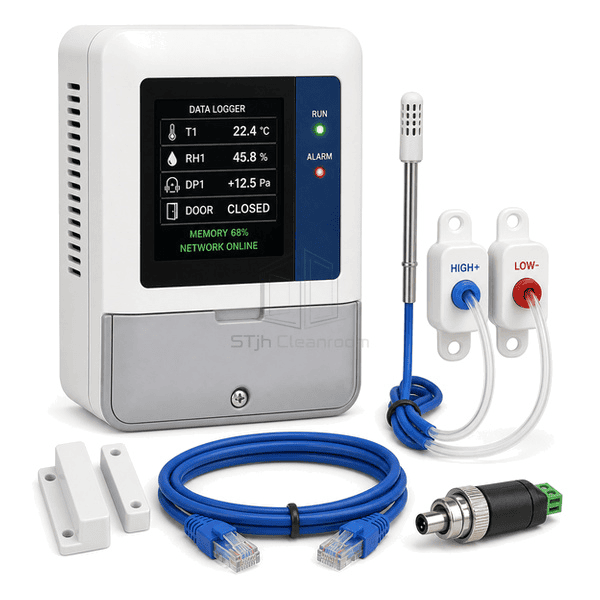
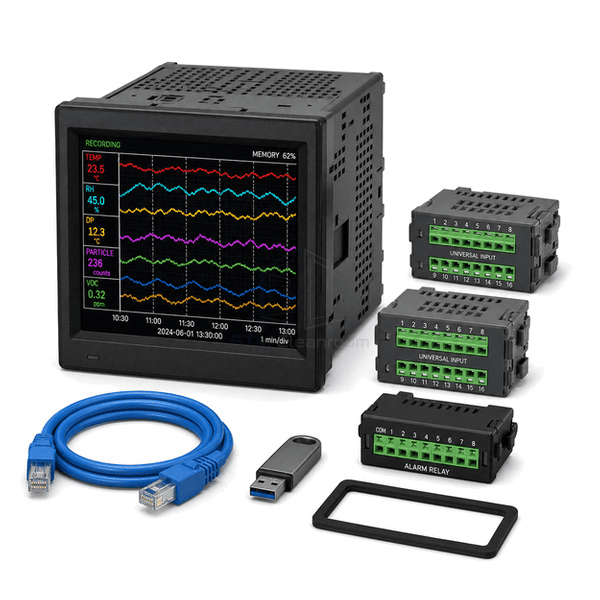
Make measurements visible locally or retain them for later review. Compare display parameters, logging intervals, storage needs and communication interfaces for the people using the information.
Explore Products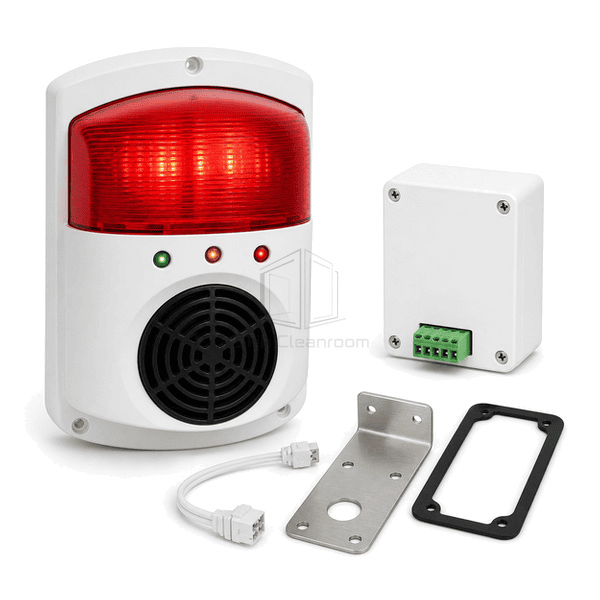
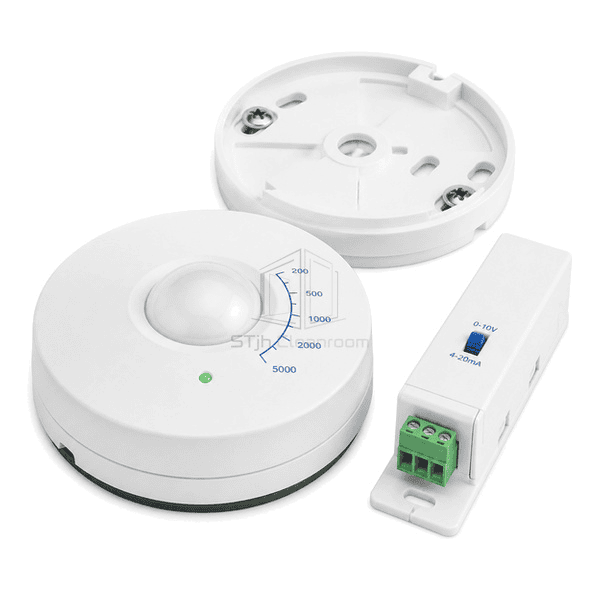
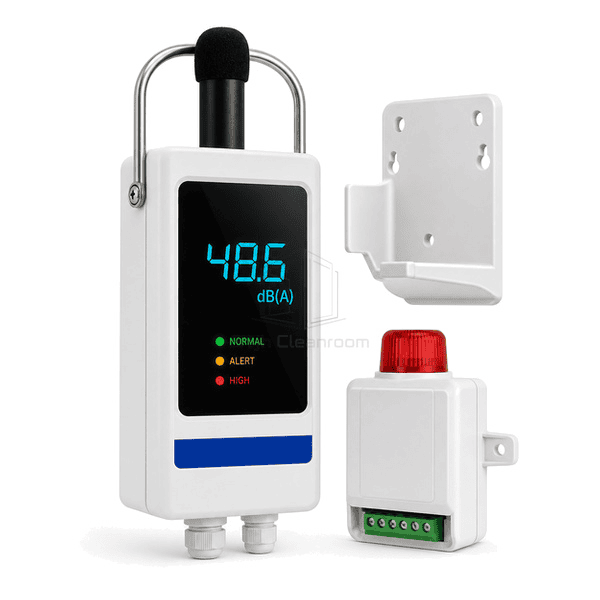
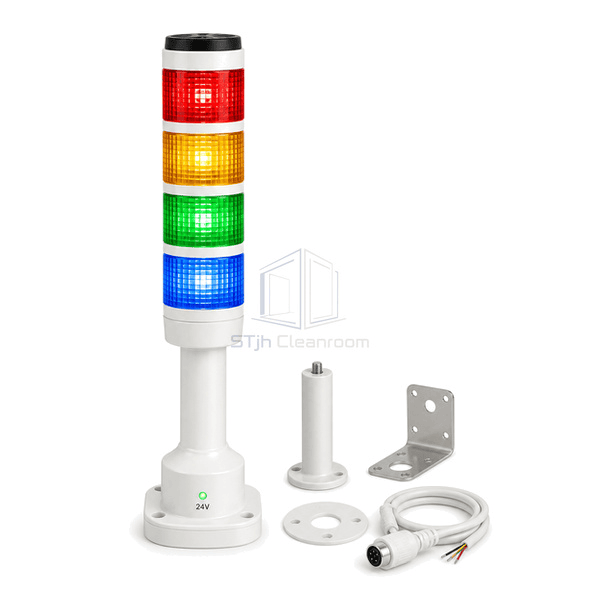
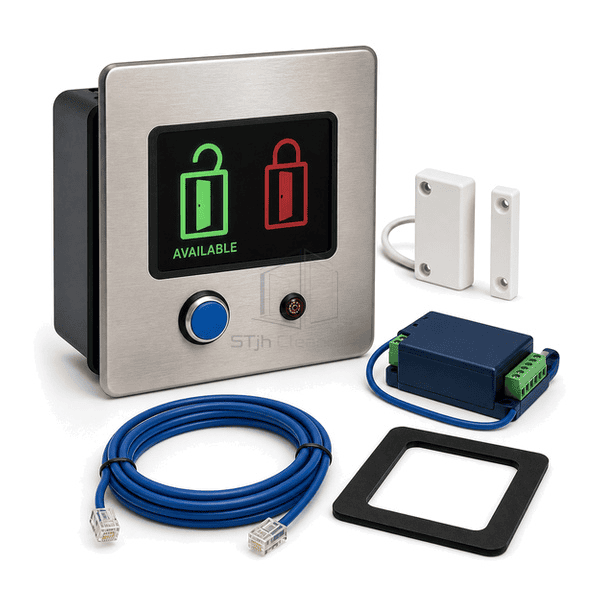
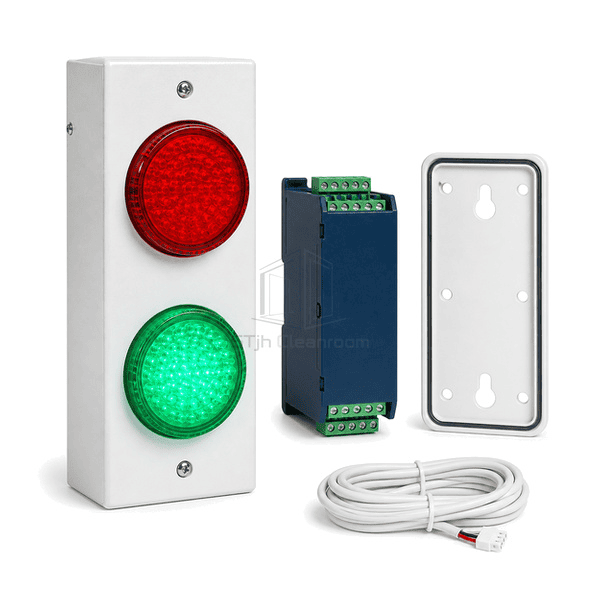
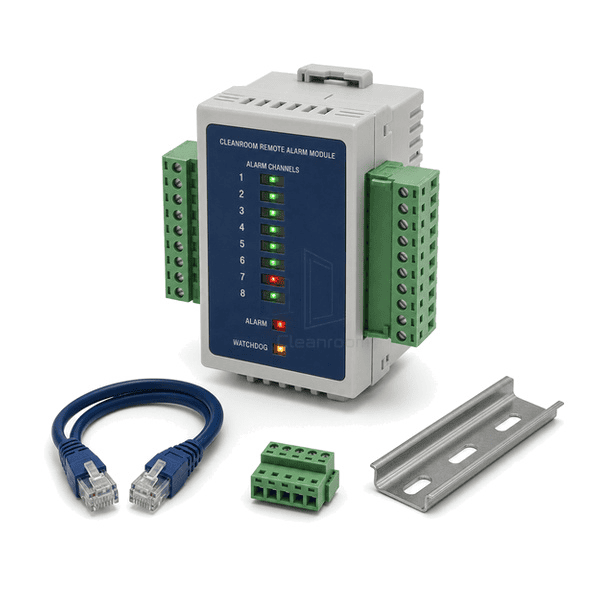
Communicate equipment state and abnormal conditions through visible or audible indicators. Define message priority, installation location and the response expected from operators before selection.
Explore Products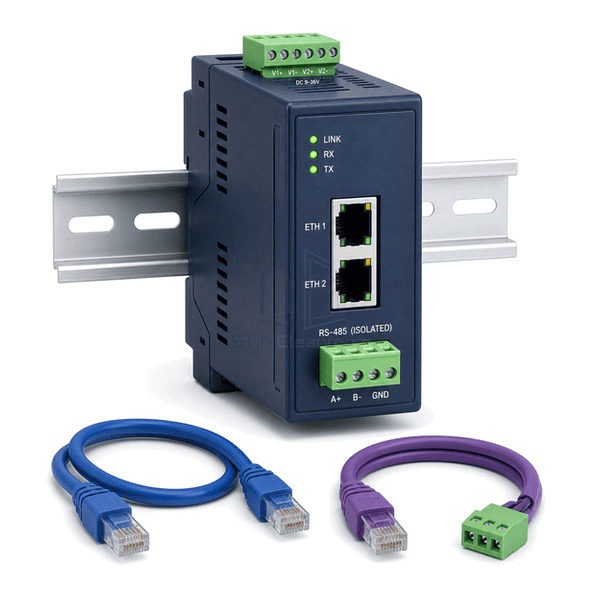
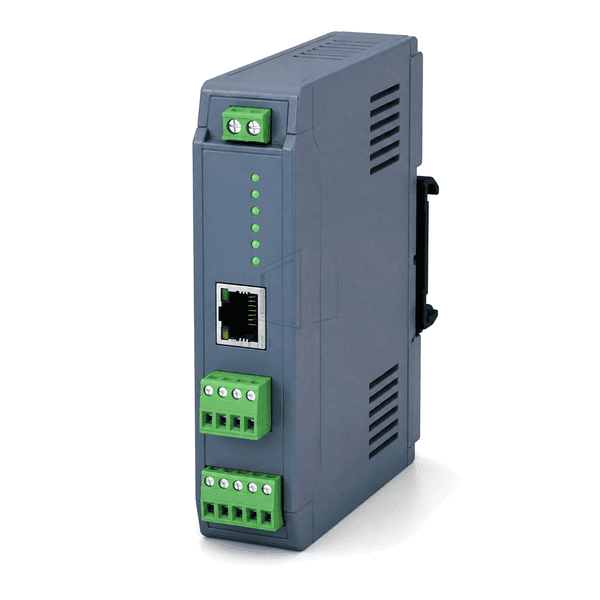
Connect instruments and organize environmental information through compatible gateways and software. Confirm protocols, data access, recording functions and integration boundaries with the existing facility network.
Explore ProductsA cleanroom monitoring system starts with a clear question: what condition needs to be known, and what action follows a change? Room differential pressure, air temperature, humidity, particle concentration and equipment status describe different aspects of operation. Select the measurement points and instruments around the risks and process needs at each location.
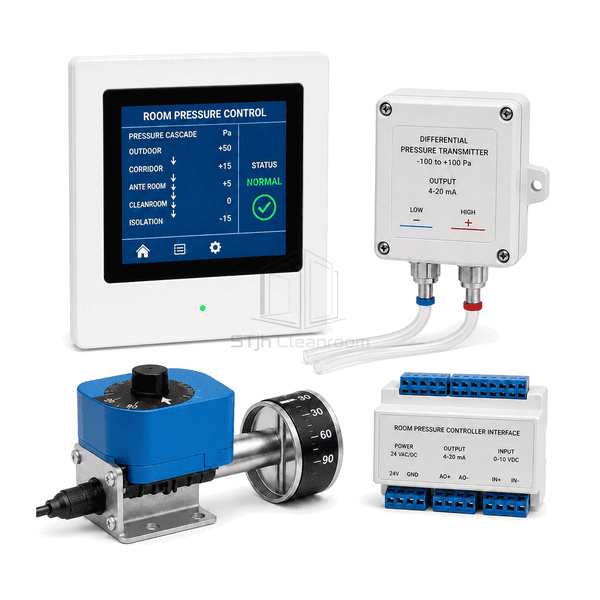
Monitoring and control are related but distinct. A display may show a value and a logger may retain it, while a controller adjusts equipment using a defined sequence. A room-pressure control loop, for example, needs compatible sensors and airflow-control equipment; a pressure gauge alone does not regulate the room. Keeping these functions clear makes a quotation more useful and integration more predictable.
The information must also reach the right people. Consider alarm priorities, delays, acknowledgement, historical records and access permissions alongside the instrument selection. Network compatibility, calibration access and response to power or communication loss are practical requirements to define early, not features to assume from a system name.
Compare continuous measurement, local displays and appropriate alarms for parameters that need ongoing visibility.
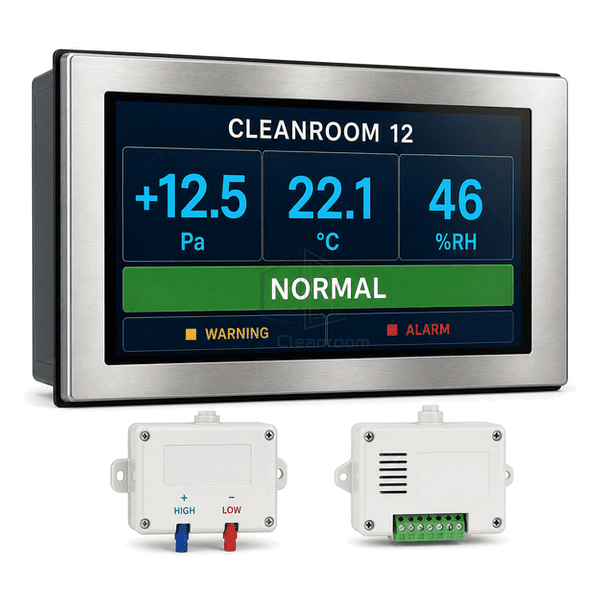
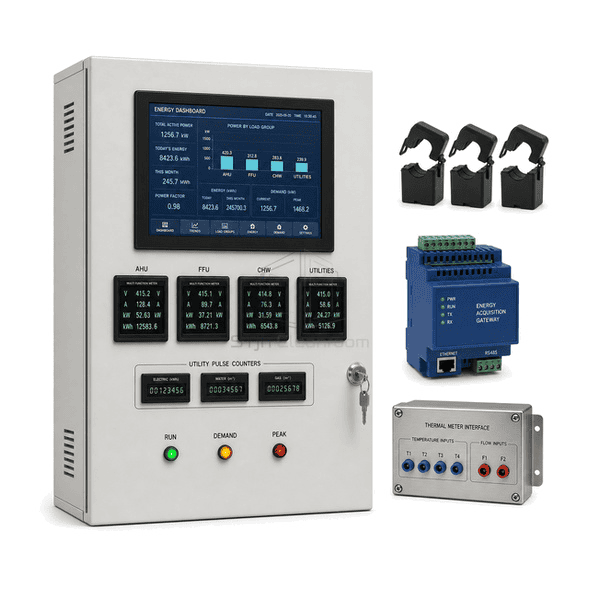
Coordinate multi-parameter displays or a monitoring platform with clearly identified measurement locations and common timestamps.
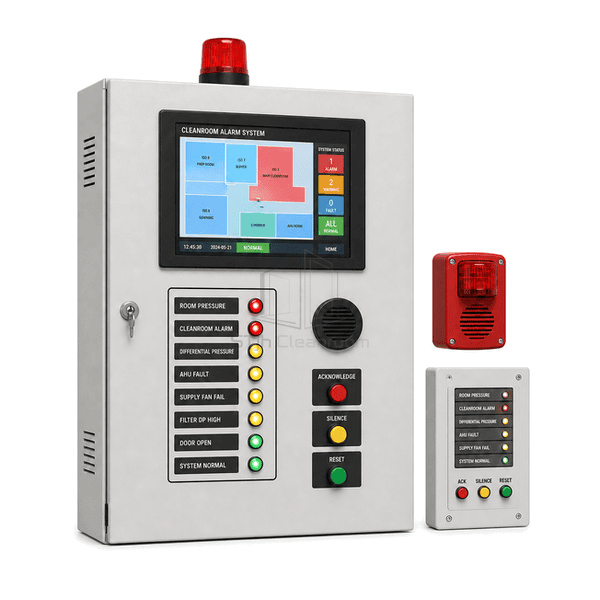
Define limits, delays and alarm routing around the operating process, with a clear response expected from each notification.
Confirm signal types, protocols and data requirements before selecting transmitters, gateways and control or recording software.
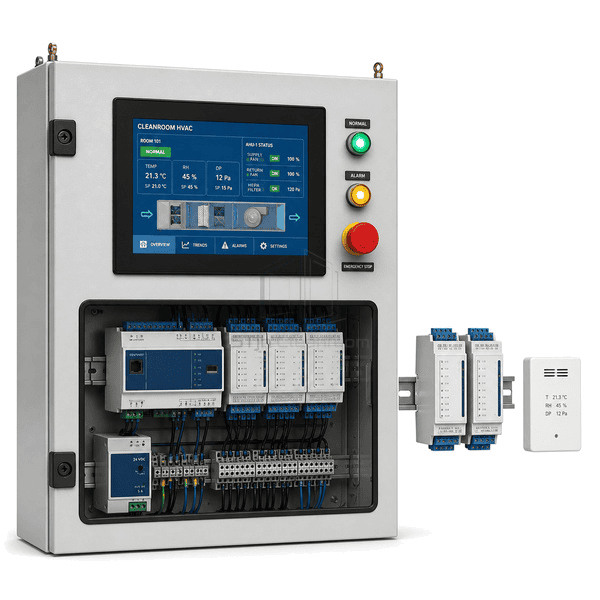
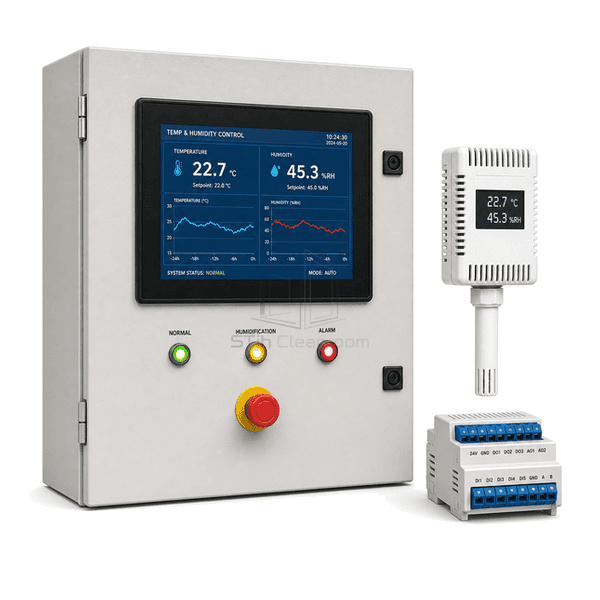
Sensors, displays and records for following pressure, temperature, humidity and other defined room parameters.
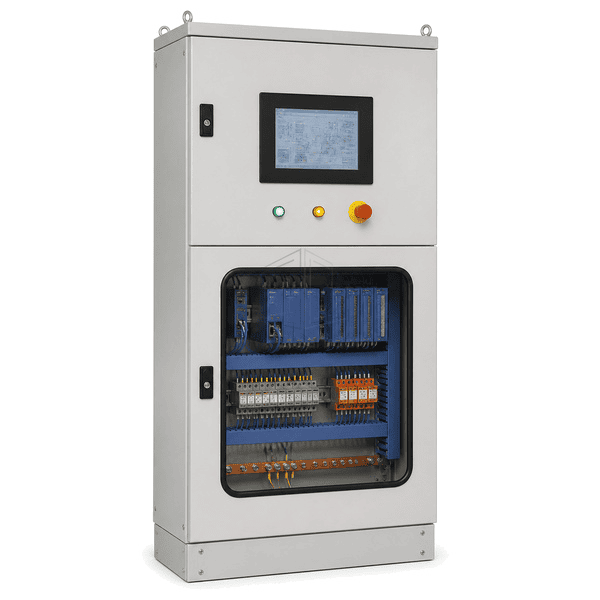
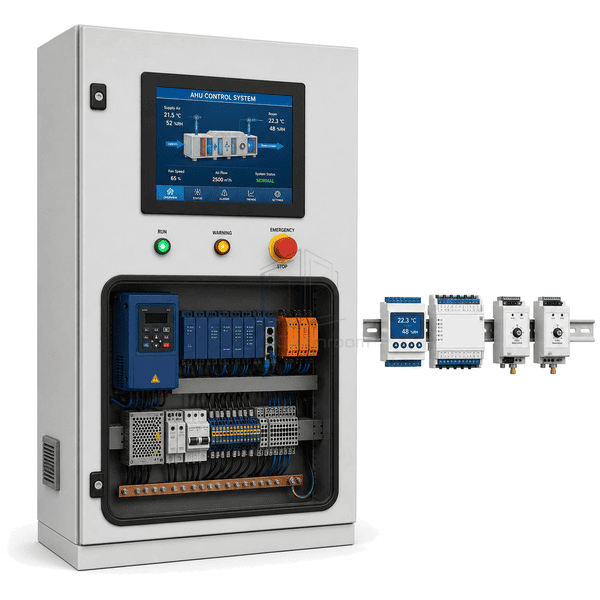
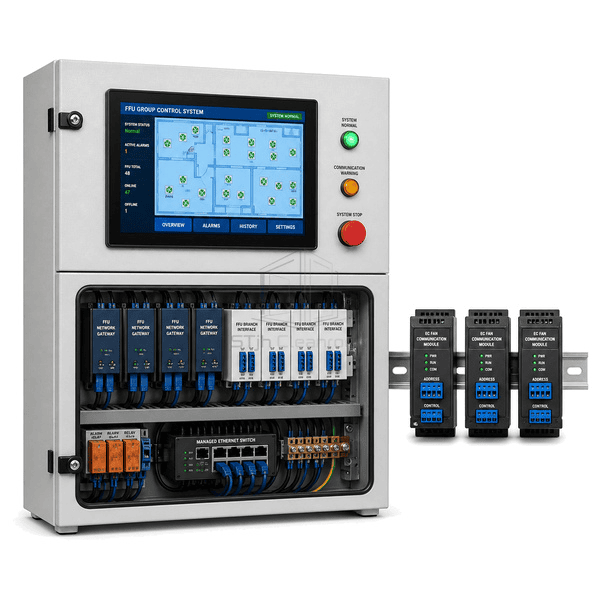
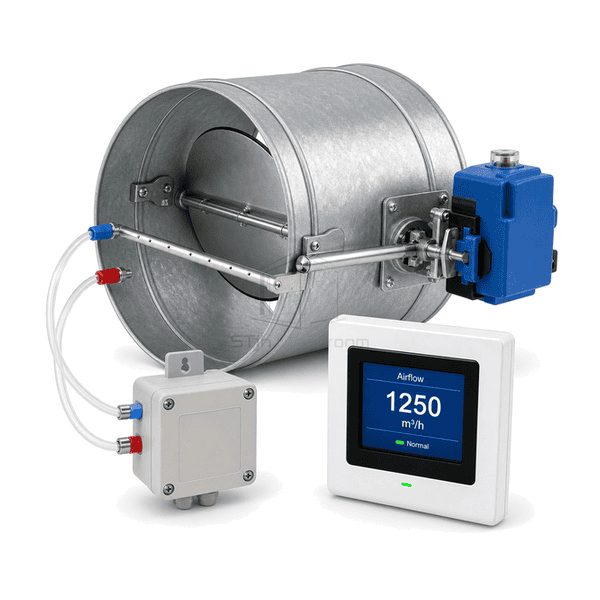
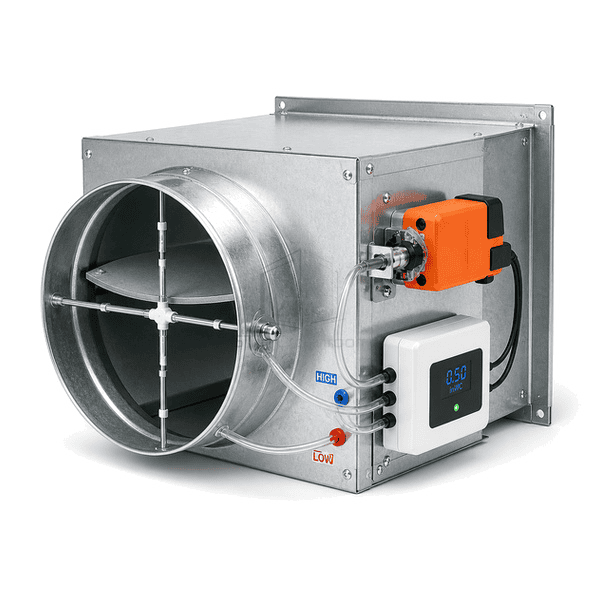
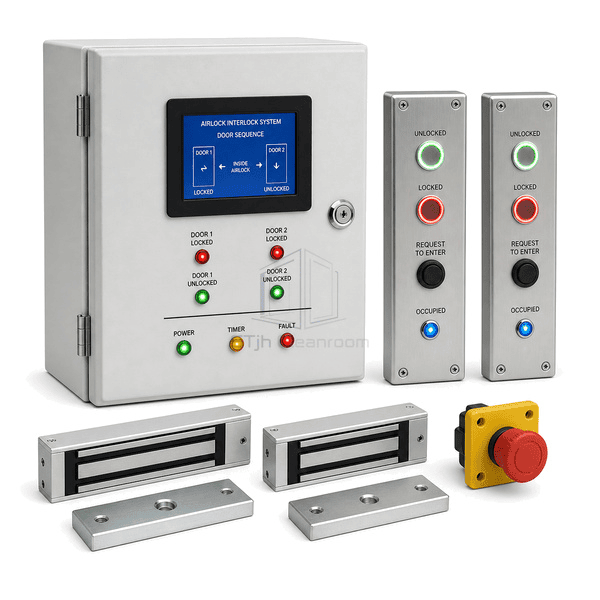
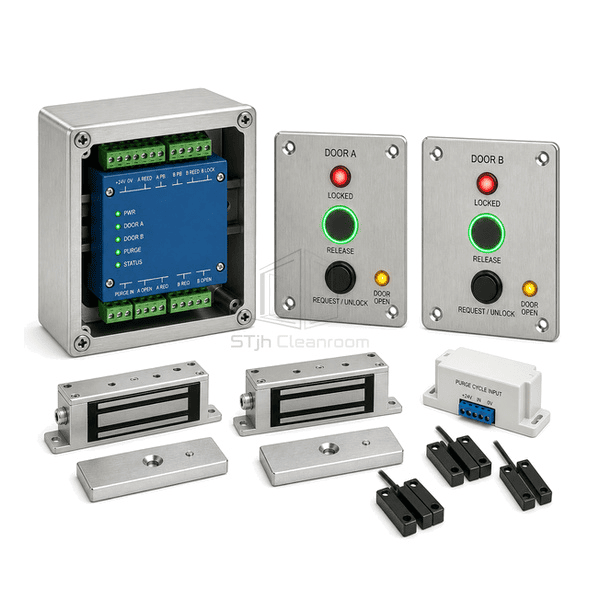
Controls and status feedback for AHUs, FFUs, airlocks and airflow systems operating under a defined control sequence.
Purpose-selected gas, water-leak and equipment-state sensors with alarm interfaces matched to the required response.
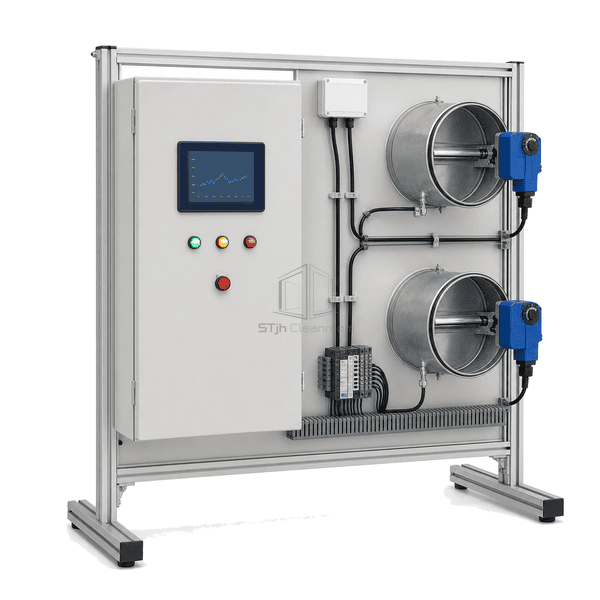
No products match your selection. Try another product type or a shorter search term.
An environmental monitoring system primarily gathers, presents and records measurements with alarms. A control system operates equipment to maintain defined conditions. Some installations connect both, but their functions and responsibilities should be specified separately.
Not necessarily. Some products only indicate a measured value. Active pressure control requires a suitable control loop and compatible equipment that can change supply or exhaust airflow.
No. Required records, user permissions, event history, backup and alarm behavior must be specified and assessed for the intended use. Identify the functions your quality and operations teams need before selecting the software arrangement.
Send your room list, measurement points and existing control interfaces. We can help organize instruments, displays, alarms and system components for a targeted quotation.