 EnglishCurrent
 德语
德语 阿拉伯语
阿拉伯语 法语
法语 印尼语
印尼语 日语
日语 韩语
韩语 马来语
马来语 葡萄牙语
葡萄牙语 俄语
俄语 西班牙语
西班牙语 泰语
泰语 土耳其语
土耳其语 越南语
越南语A load shifts, vibrates or does not sit securely during movement.
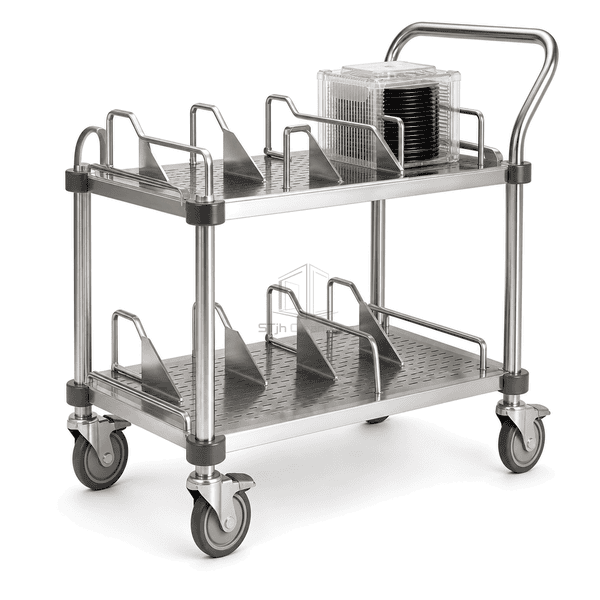
Compare platform sizes, dedicated holders, restraints and caster arrangements against the load shape and route conditions.



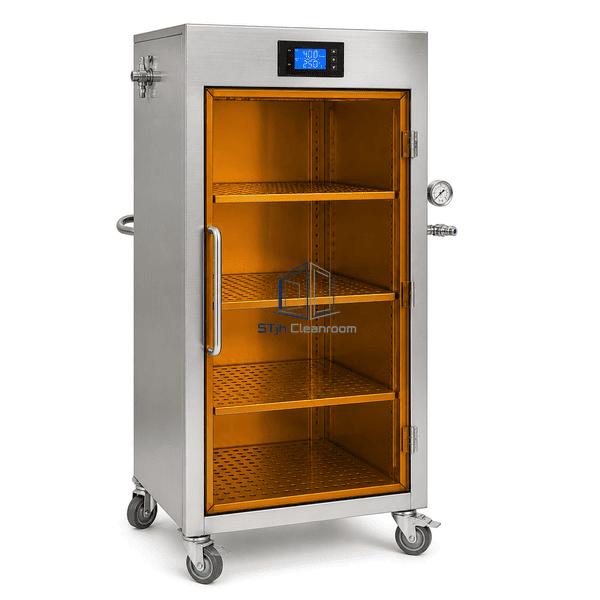
Keep materials moving between workstations, storage and controlled areas with transport equipment chosen for the load and the route. Compare open carts, enclosed transfer units, wafer transport, conveyors and lifting aids. We can help you bring together payload support, operator access and any required environmental protection so the handover between process steps receives the same attention as the work itself.
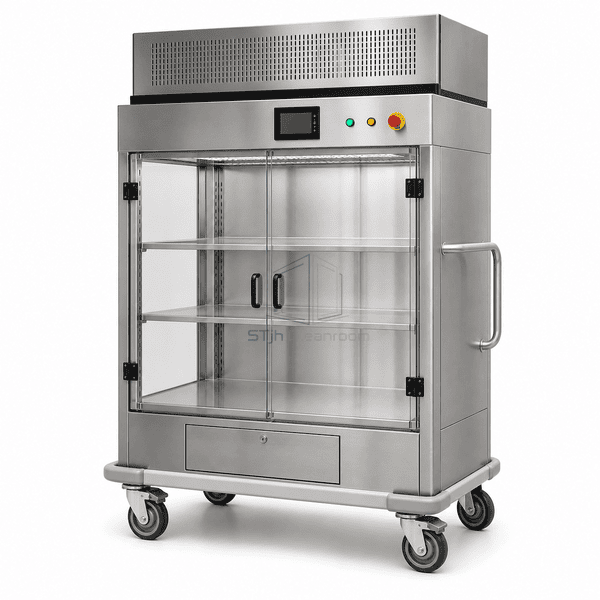
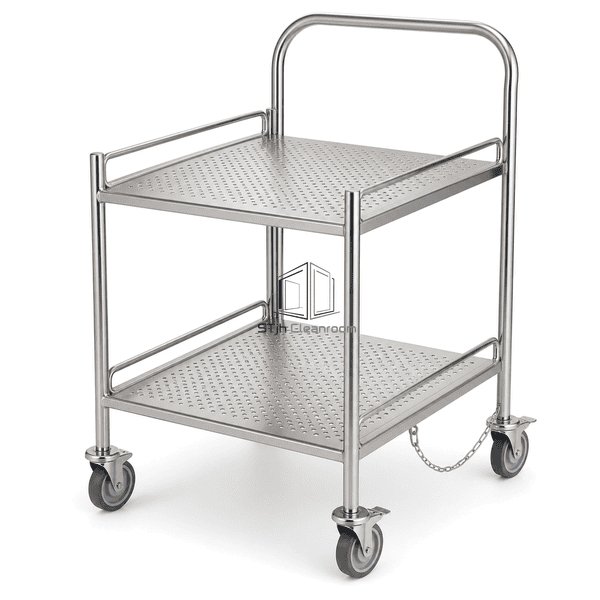
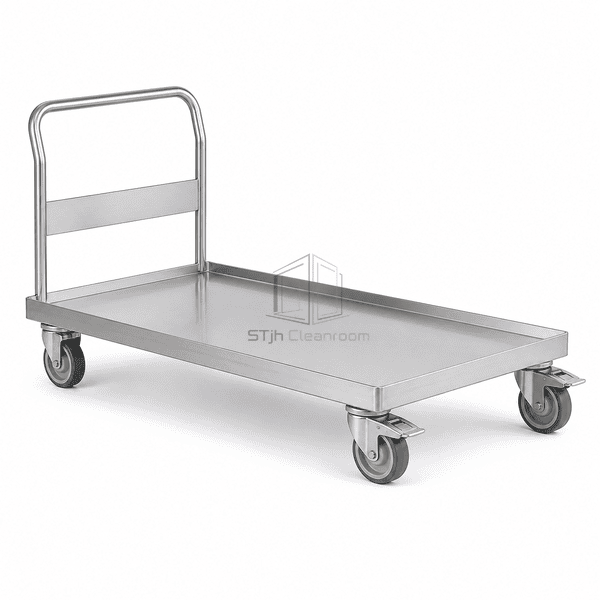
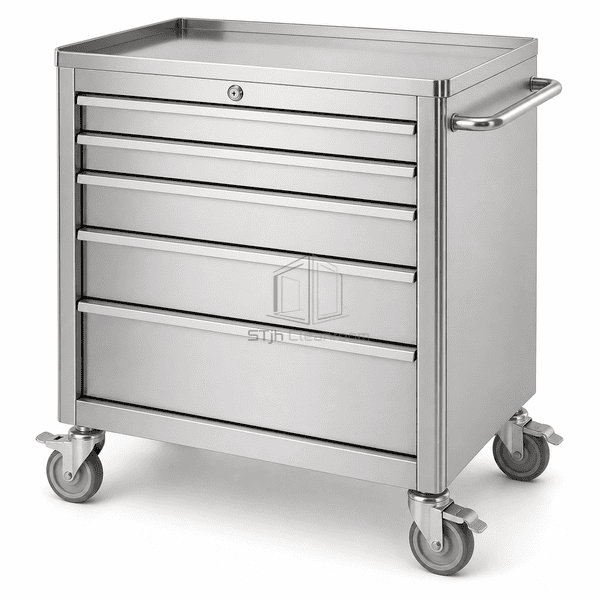
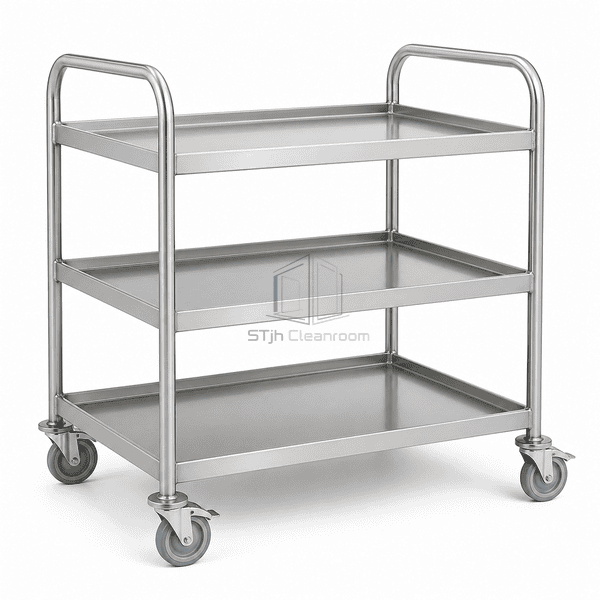
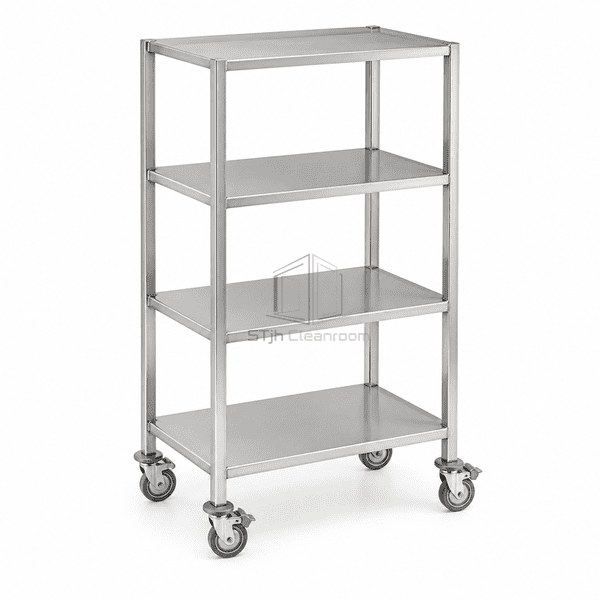
Compare open, enclosed and controlled-environment carts for the materials you move. Match shelf arrangements, payload support, wheel behavior and loading access to each transfer route.
Explore Products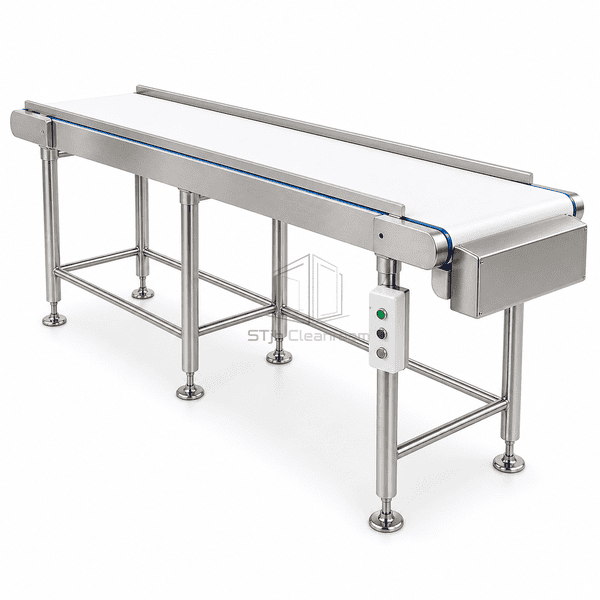
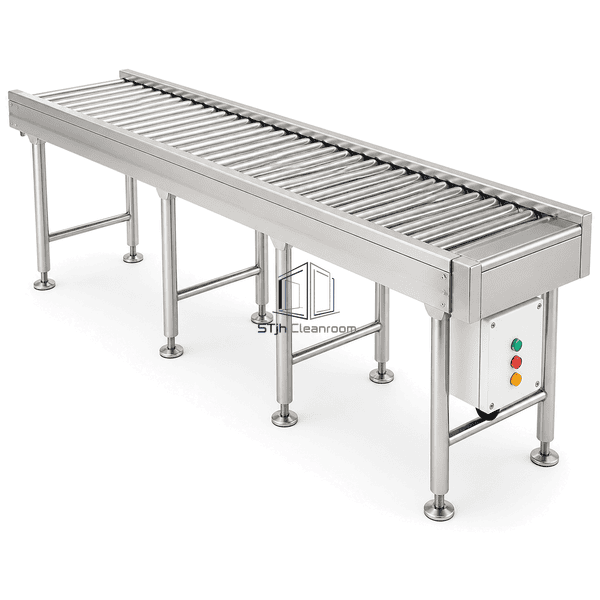
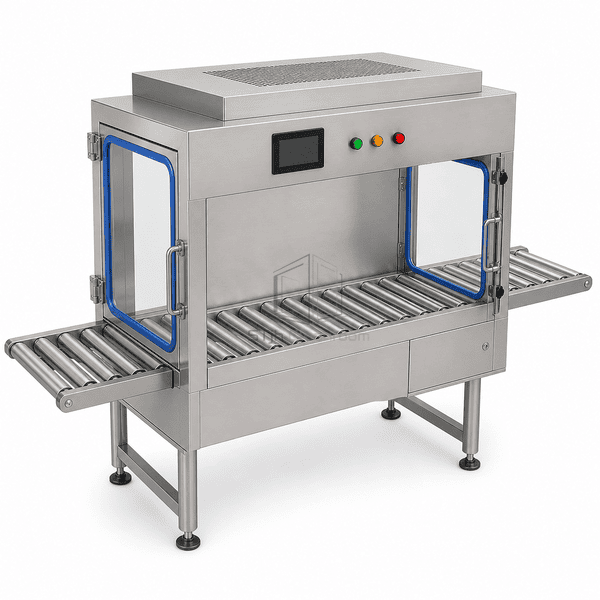
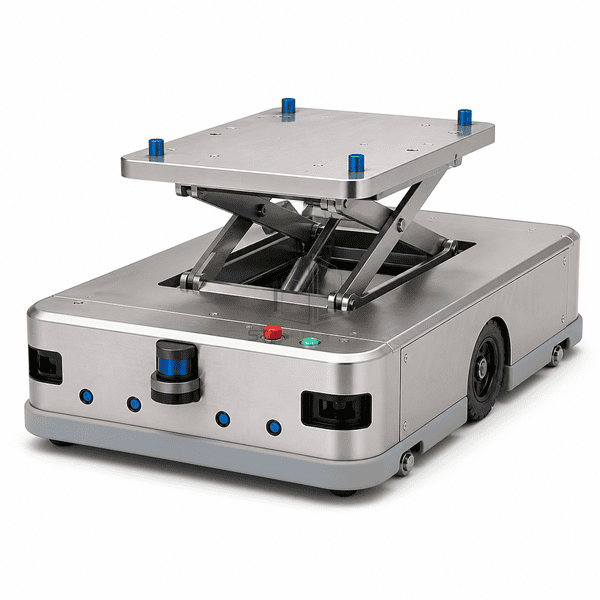
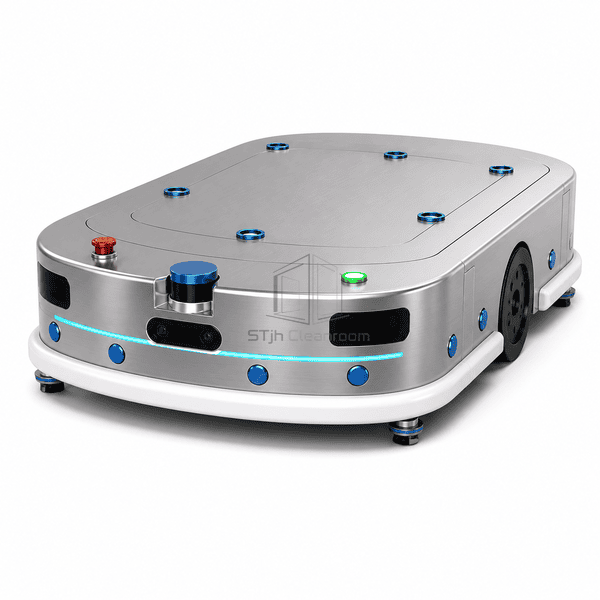
Explore recurring material movement with conveyors, AGVs or AMRs. Define load exchange, route conditions, shared traffic and control interfaces before choosing the transport approach.
Explore Products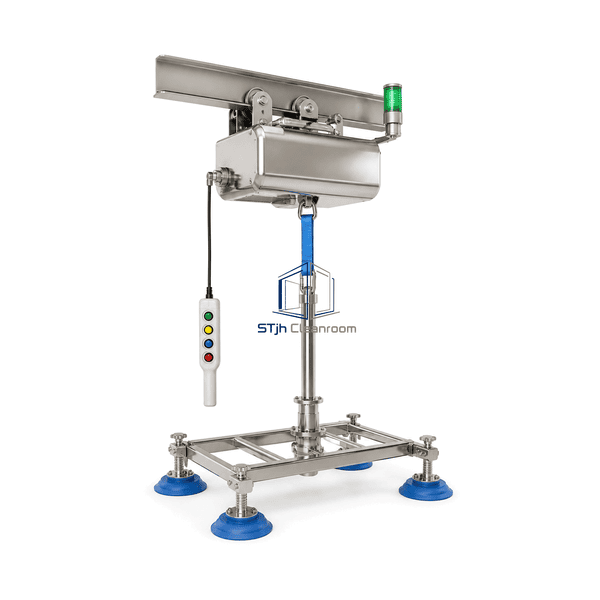
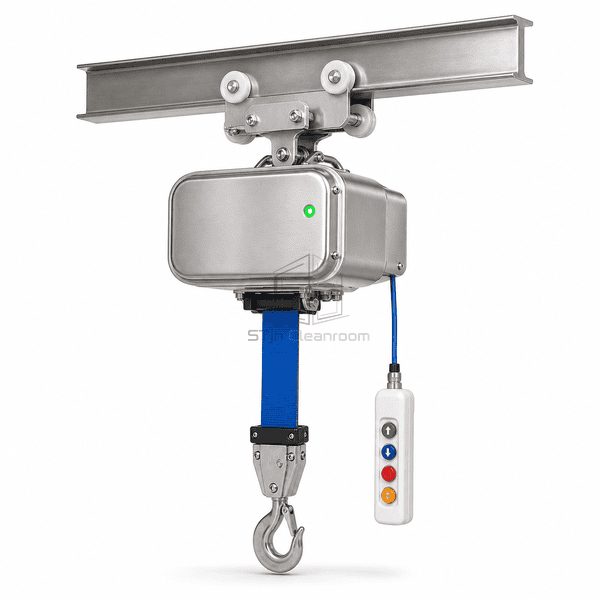
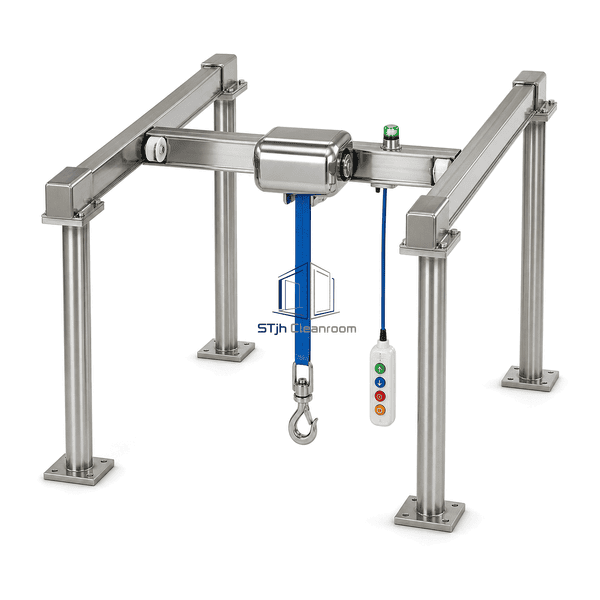
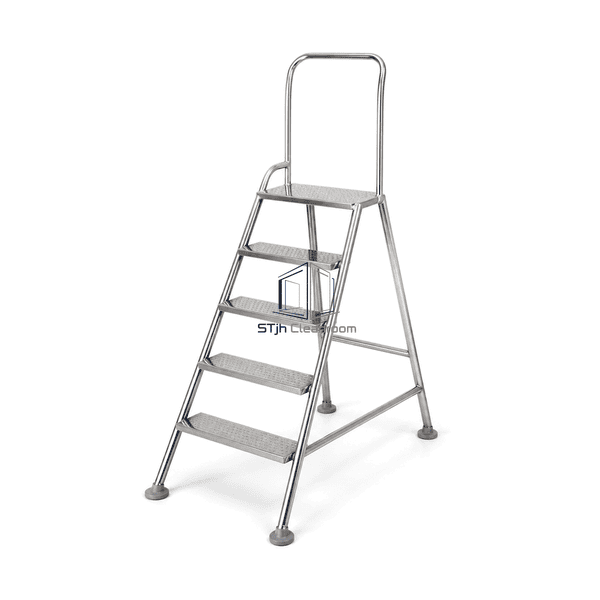
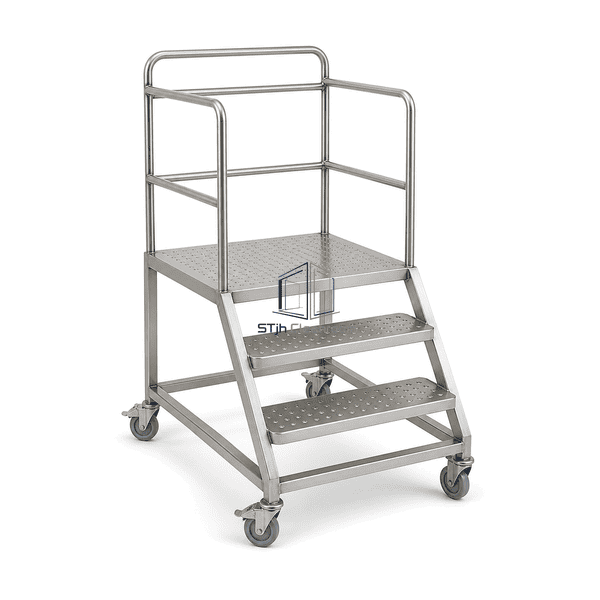
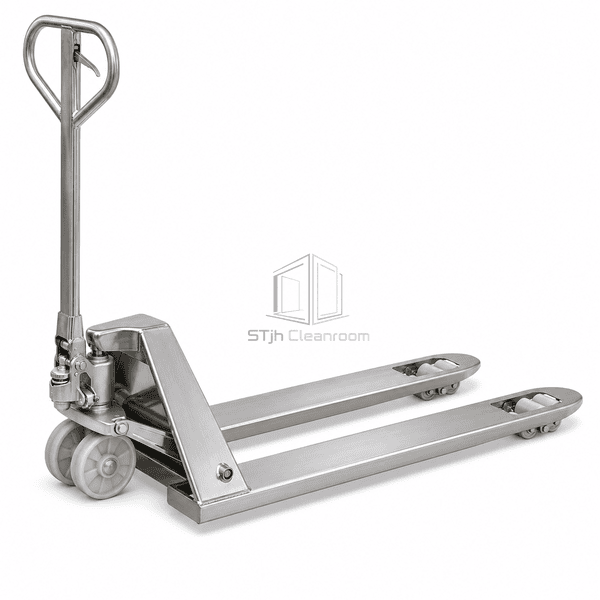
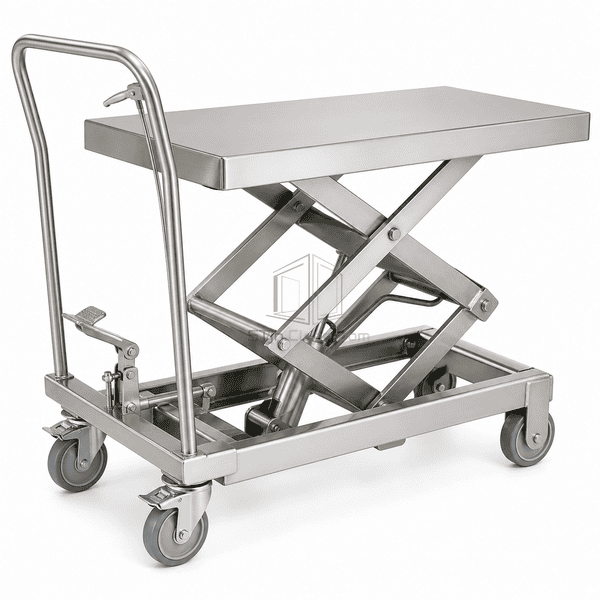
Support load movement and elevated access with equipment selected for the task. Review payload geometry, lifting points, reach, supporting structures and the operating environment.
Explore Products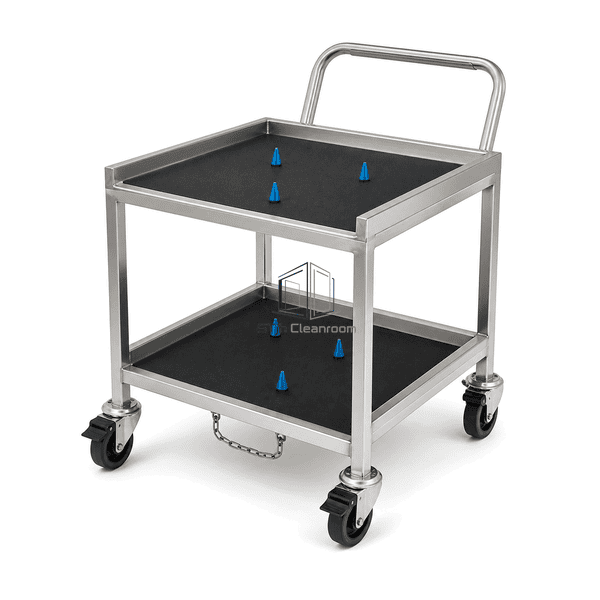
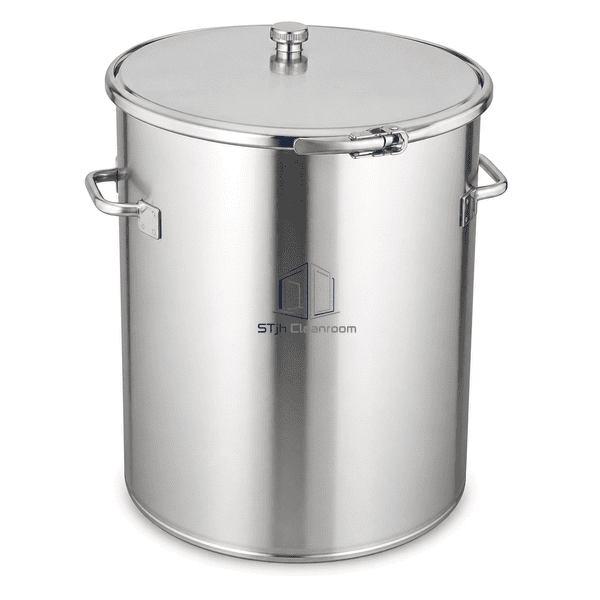
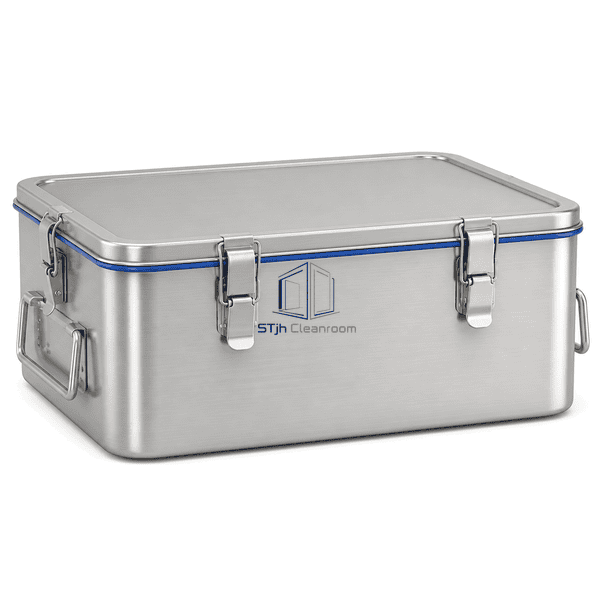
Hold and transport specific materials using sealed containers, wafer carriers or purged storage. Specify the load interface and protection needed throughout loading, movement and unloading.
Explore ProductsMaterial handling links the areas where cleanroom work takes place. An item may be carefully processed and packaged, yet still face vibration, exposure or awkward manual lifting during transfer. Choosing the right cart or handling device starts with the load dimensions, how it is supported and the conditions it must experience along the route.
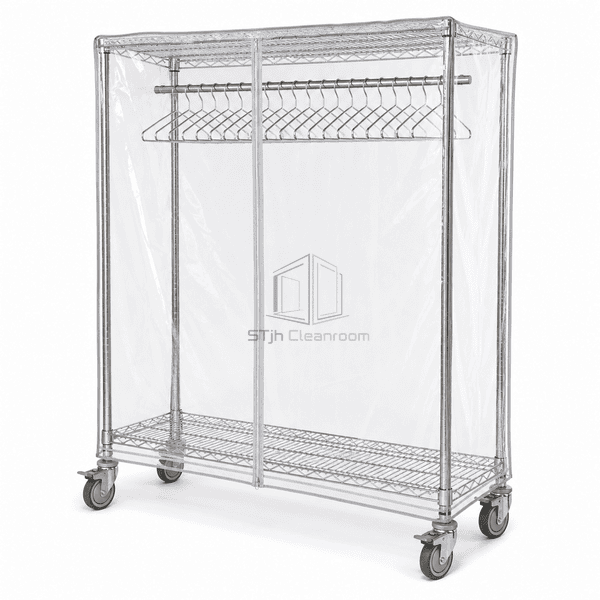
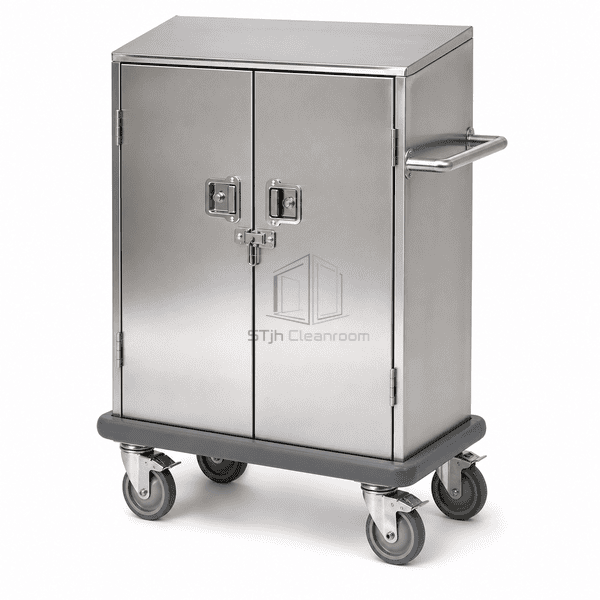
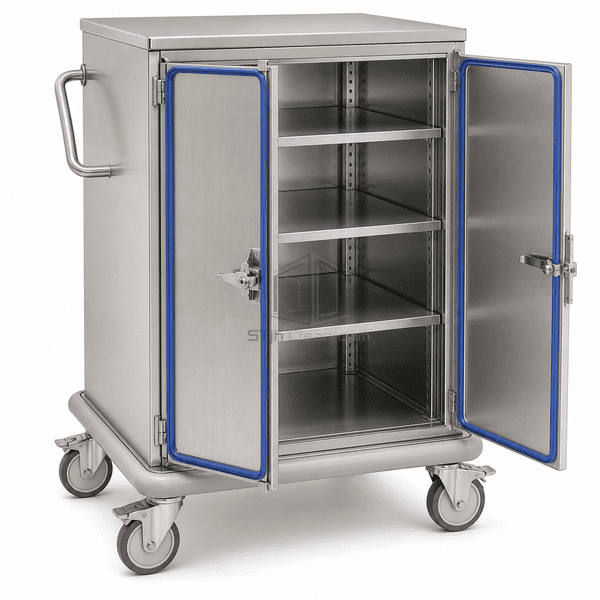
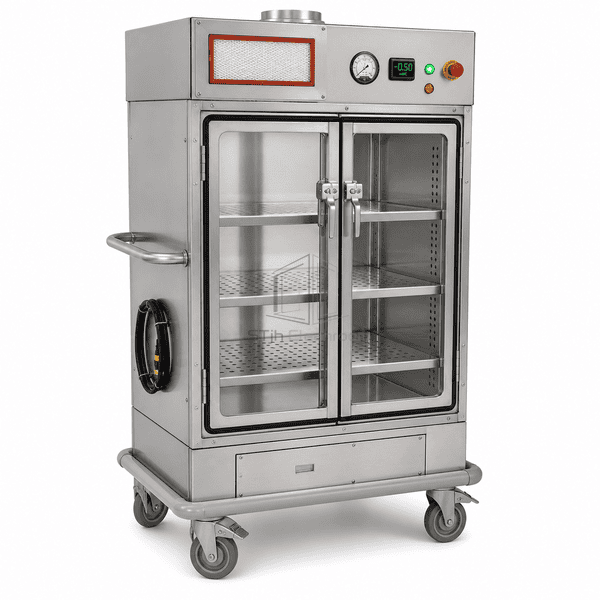
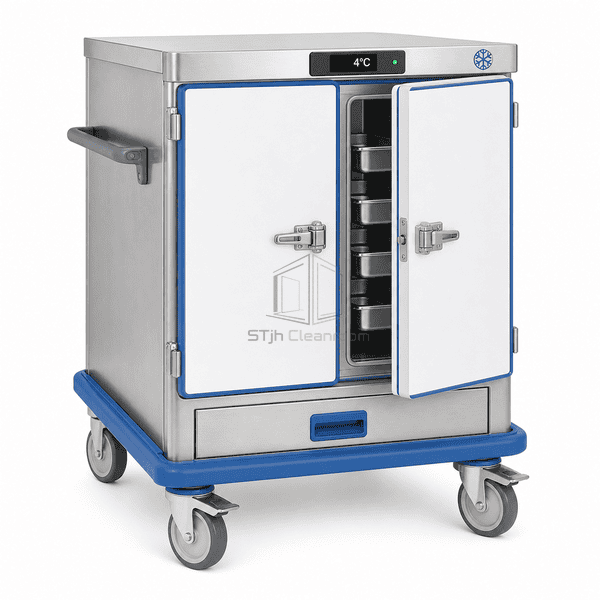
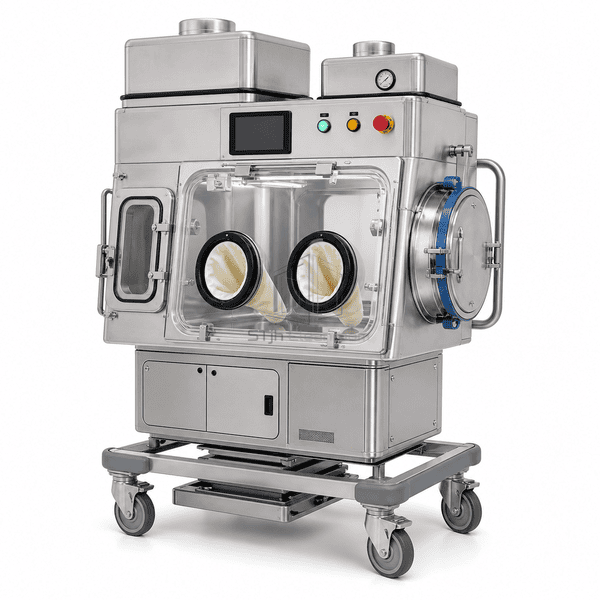
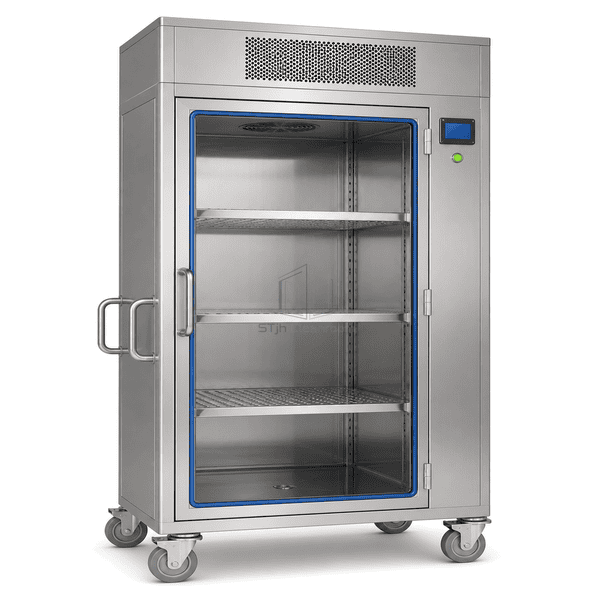
Open carts offer direct access for suitable packaged loads. Enclosed carts add a physical barrier, while filtered-air, nitrogen-purged, temperature-controlled and containment transport serve different material needs. A covered cart does not automatically maintain sterility, humidity or a pressure condition; those requirements must be defined when selecting a specialized unit.
For repeated movement, conveyors or automated transport can be assessed alongside manual handling. Docking locations, load exchange, people sharing the route and cleaning access remain important. Lifting aids should be chosen for the actual workpiece and movement, including its center of gravity and gripping surface, rather than payload weight alone.
Compare platform sizes, dedicated holders, restraints and caster arrangements against the load shape and route conditions.
Assess enclosed, filtered or purged transport according to the material's required protection and the conditions at loading and unloading.
Consider suitable transfer heights, lift tables or purpose-selected lifting aids that bring the load to the receiving station.
Check door clearances, aisle widths, turning areas and floor transitions before selecting cart dimensions or an automated transport arrangement.
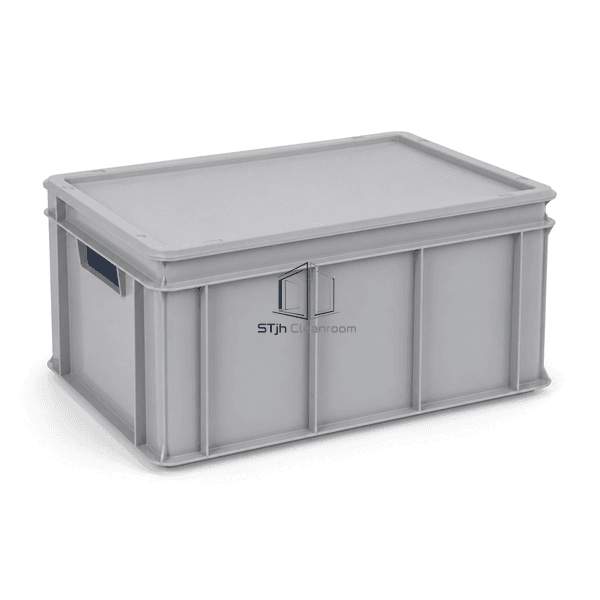
Carts and containers for moving packaged components, tools and supplies between storage and workstations.
Purpose-selected transport for wafers, moisture-sensitive items or materials requiring an enclosed or controlled transfer environment.
Conveyor, lifting and automated transport options assessed around recurring transfers and the receiving equipment interface.
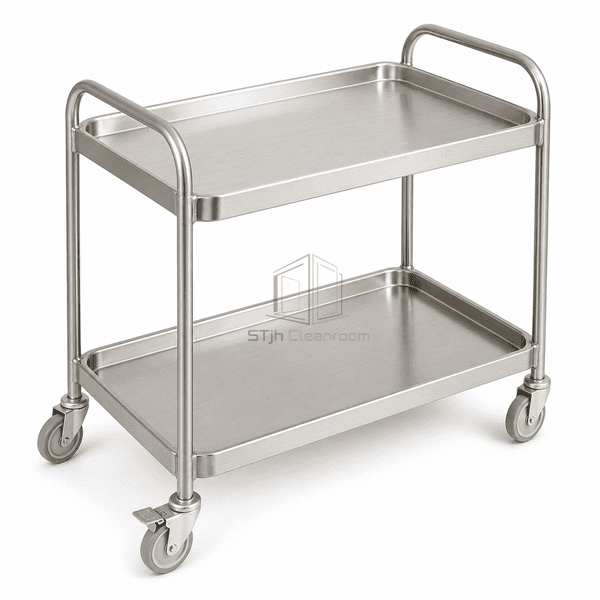
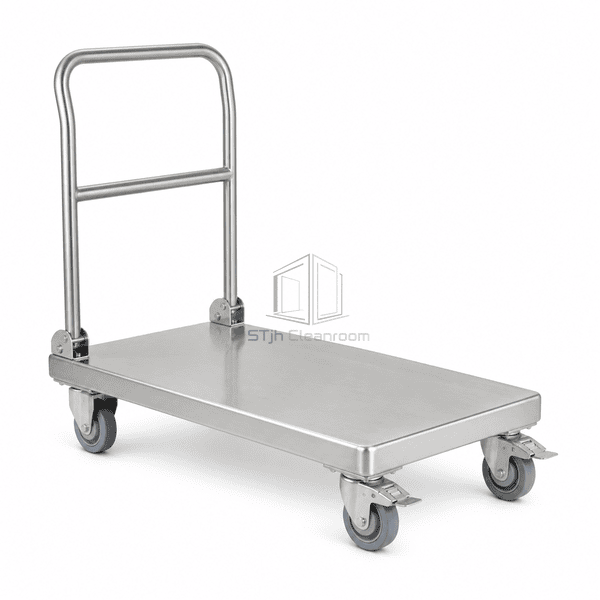
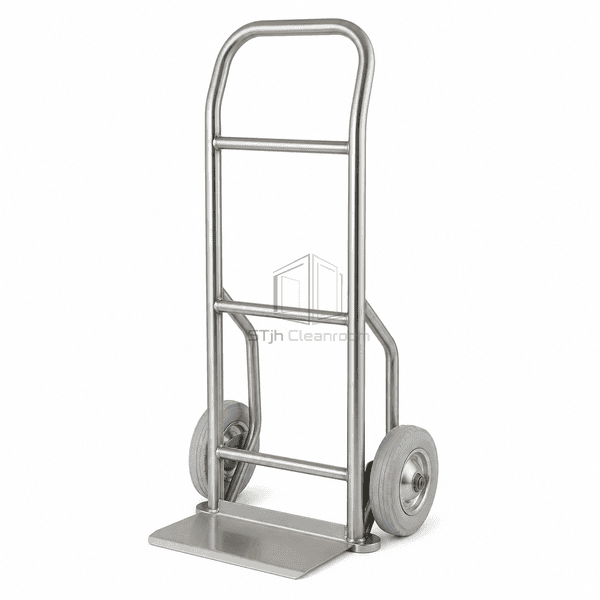
No products match your selection. Try another product type or a shorter search term.
Consider an enclosure when the load needs a physical barrier during transfer. If temperature, humidity, clean airflow or containment must also be maintained, specify those needs separately rather than assuming a cover provides them.
Not simply because it is described as a cleanroom cart. Product protection depends on the complete transfer method, loading conditions and the selected equipment. Define the handling process before choosing filtered or aseptic transport.
Provide weight, dimensions, gripping surfaces and the movement required, including pickup and deposit positions. The load, lifting device and supporting structure must be assessed together for safe use.
Send payload details and a sketch of the transfer route. We can help compare carts, containers and handling equipment for your application.