 日本語
日本語 ドイツ人。
ドイツ人。 アラビア語:アラビア語
 フランス語で
 インドネシア語
 日本語で。流れ
 韓国語
韓国語 マレー語
マレー語 ポルトガル語
 ロシア語
ロシア語 スペイン語
スペイン語 タイ語
タイ語 トルコ語
トルコ語 ベトナム語
ベトナム語Filters are ordered by size alone and do not suit the airflow duty.
Compare rated airflow, initial resistance and the available fan pressure together with external dimensions and installation depth.



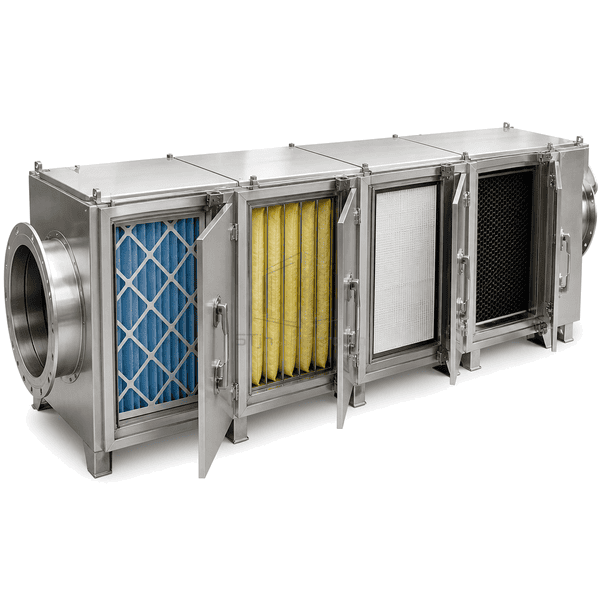
Choose filtration around the particles or molecular contaminants that threaten your process. Our range connects pre-filtration, fine filtration, HEPA and ULPA filters with chemical media, housings and sealing components. Compare frame sizes, airflow resistance and installation details to build a practical filter arrangement for new equipment or replacement work, without overlooking the fit and service access that influence everyday performance.
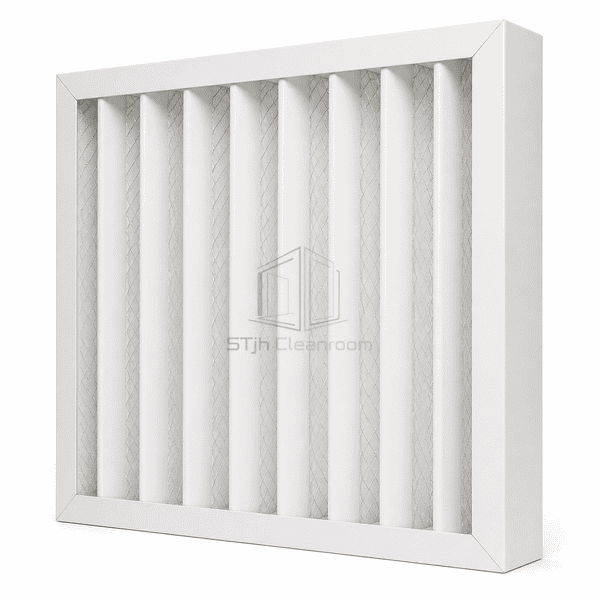
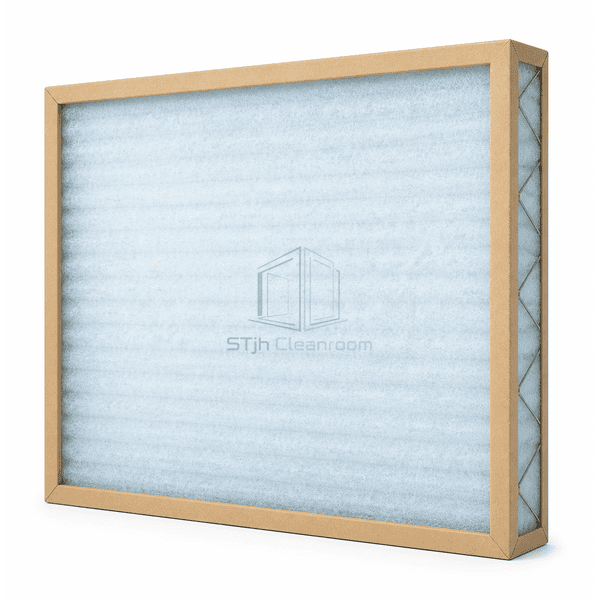
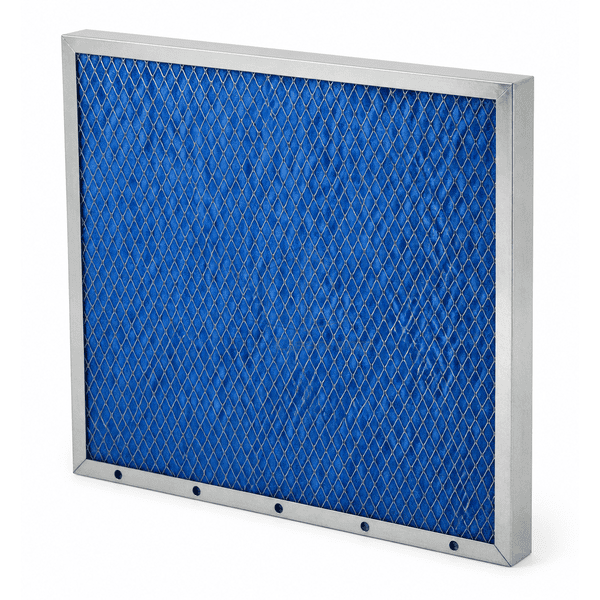
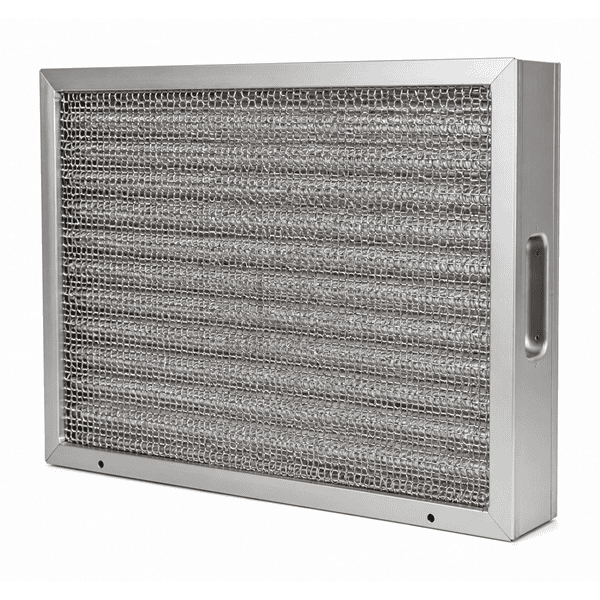
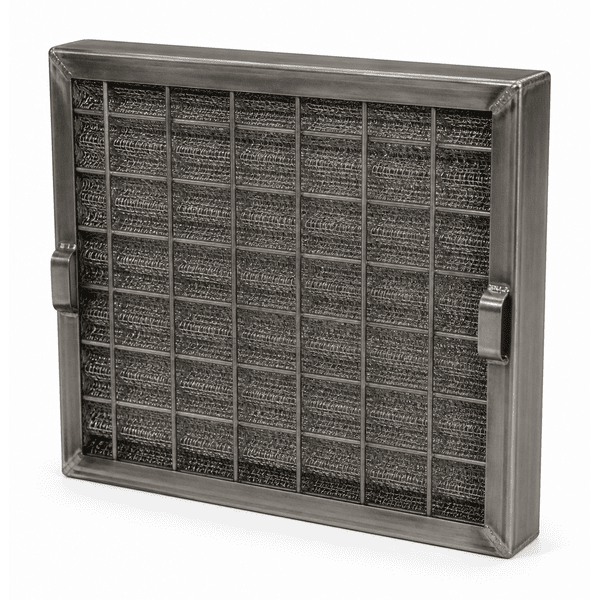
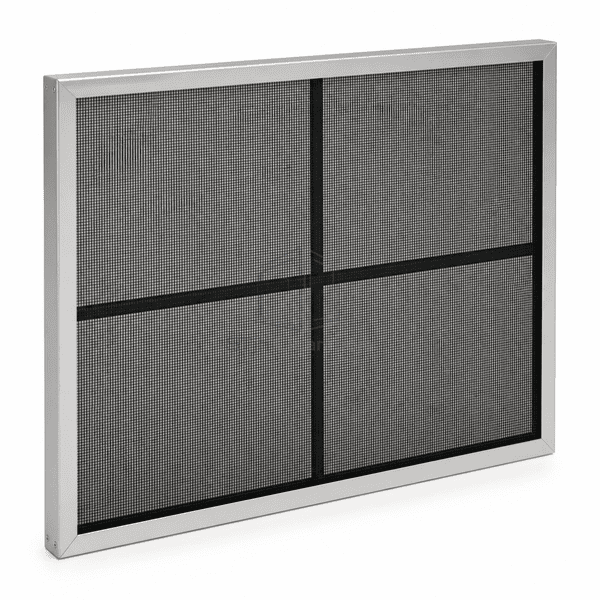
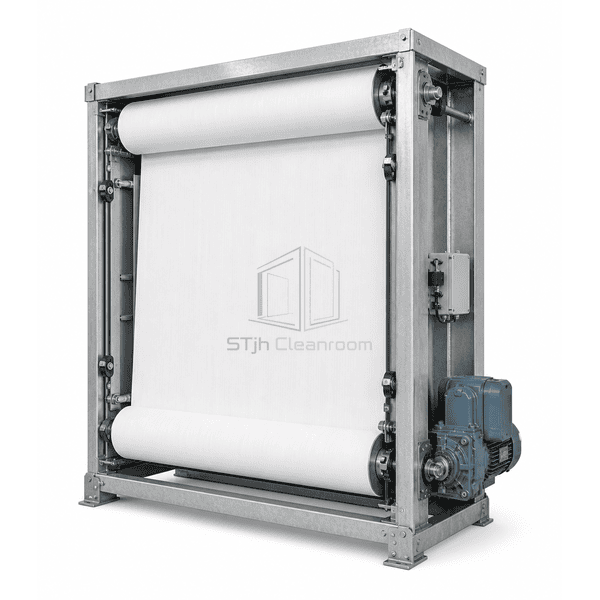
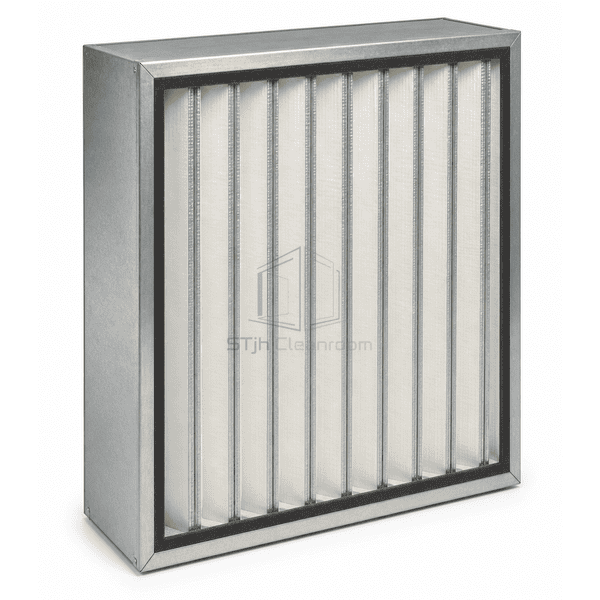
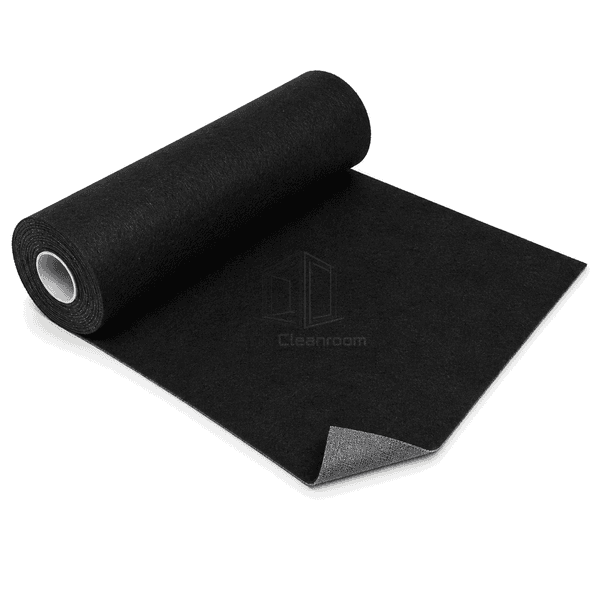
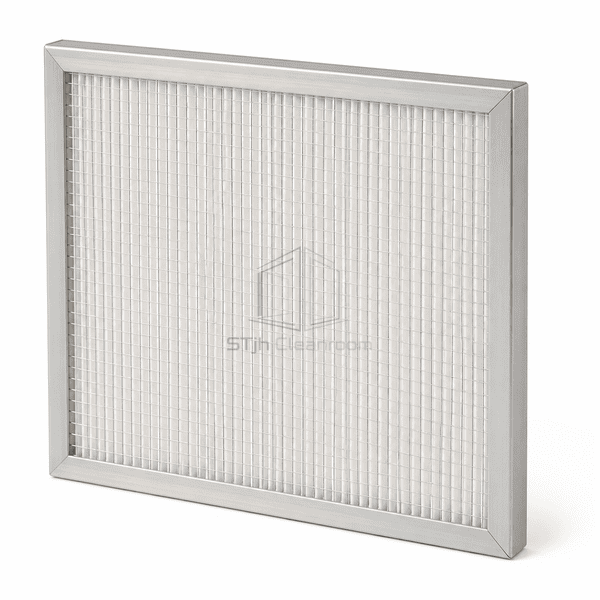
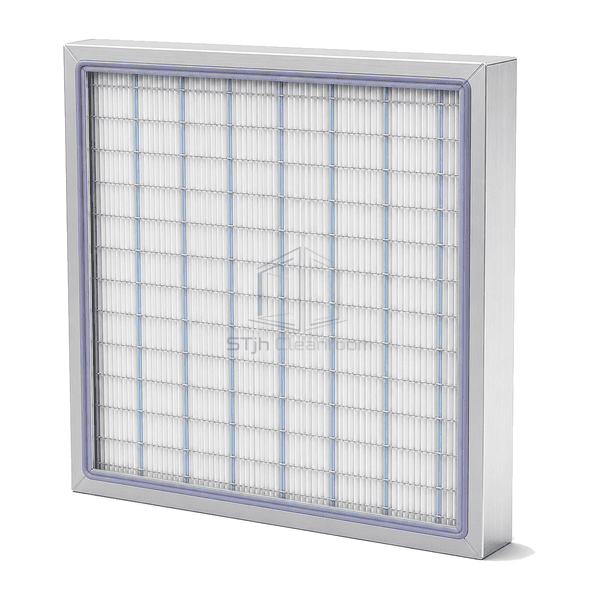
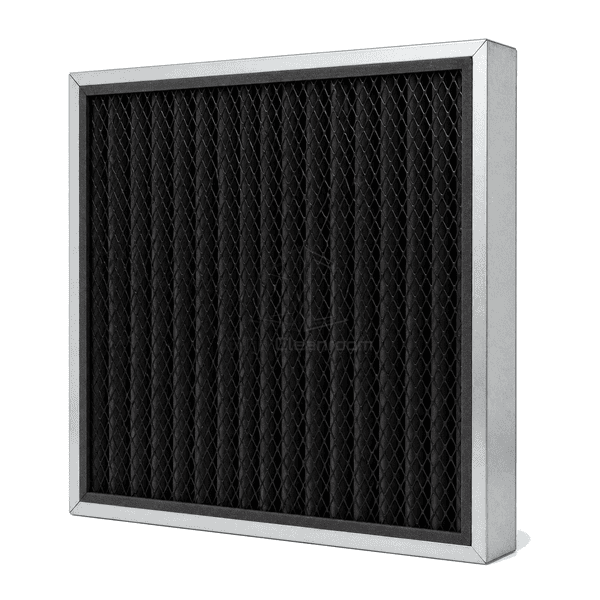
Capture upstream dust with panel, pleated, mesh or roll formats. Compare cleaning suitability, available depth and service frequency to select practical first-stage filtration.
Explore Products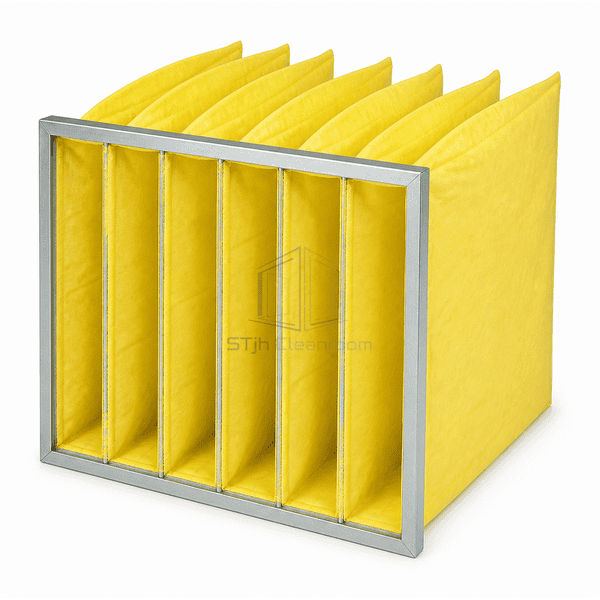
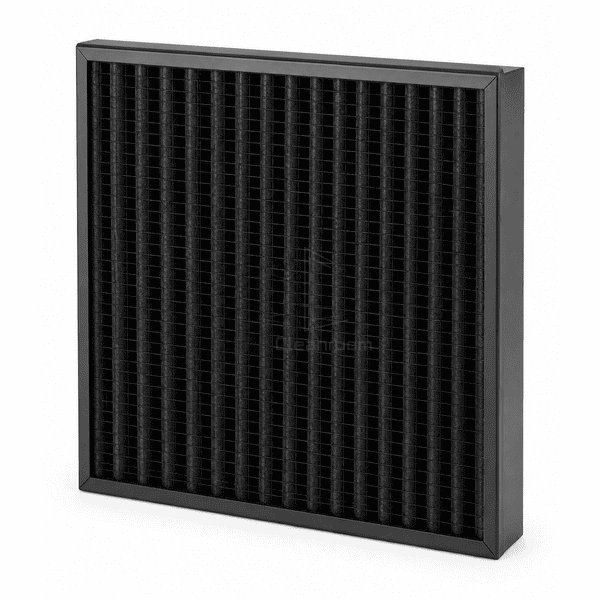
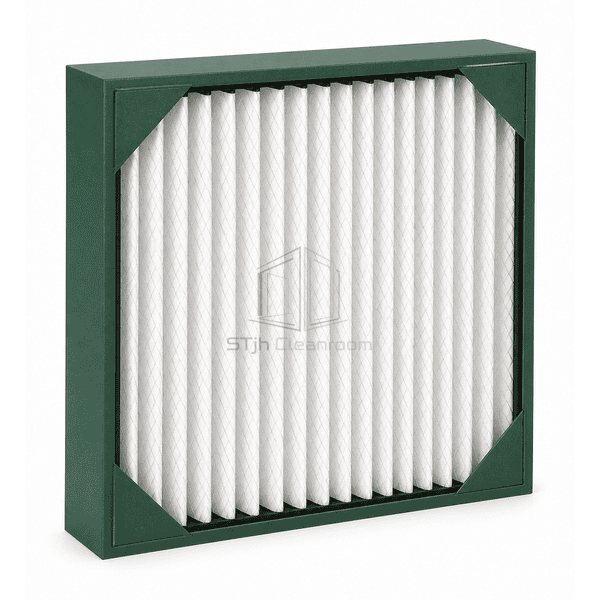
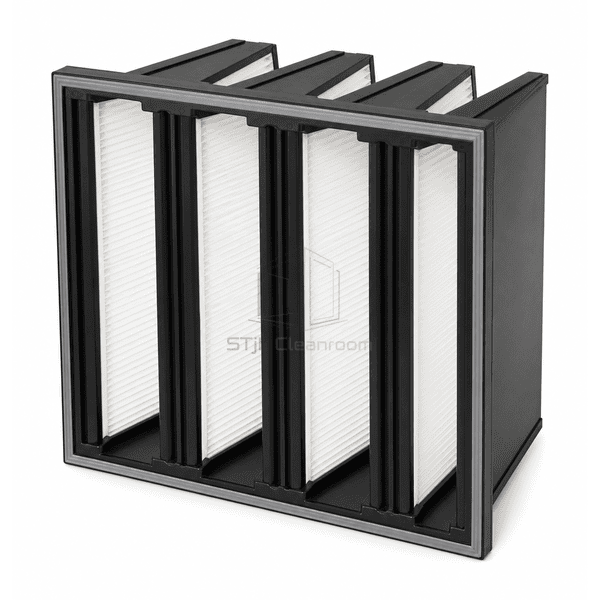
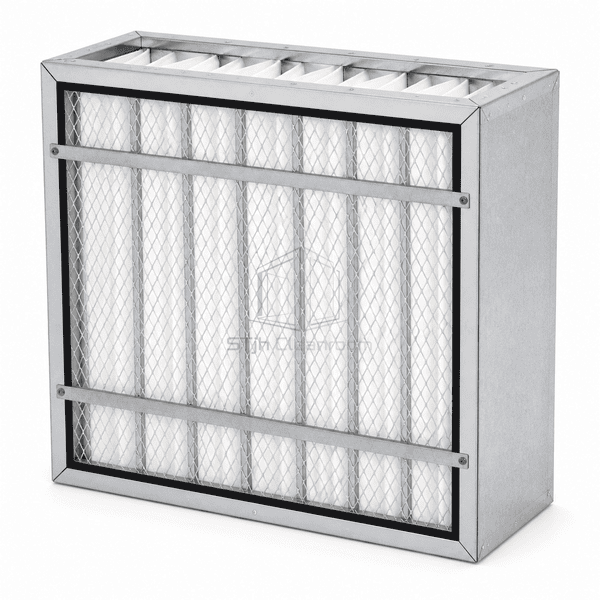
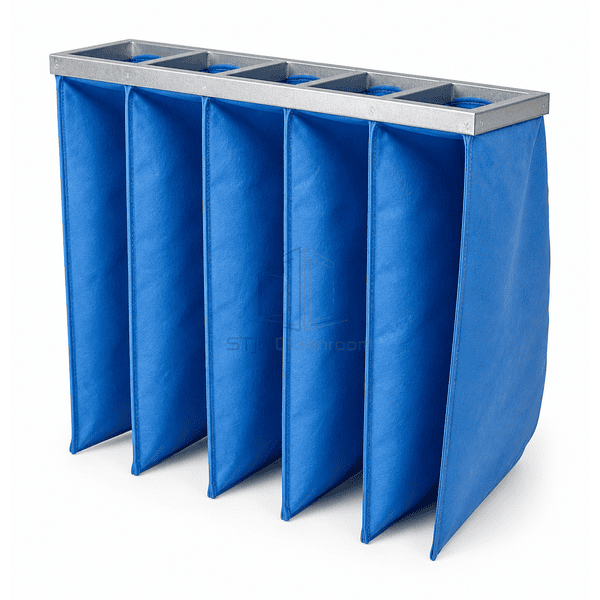
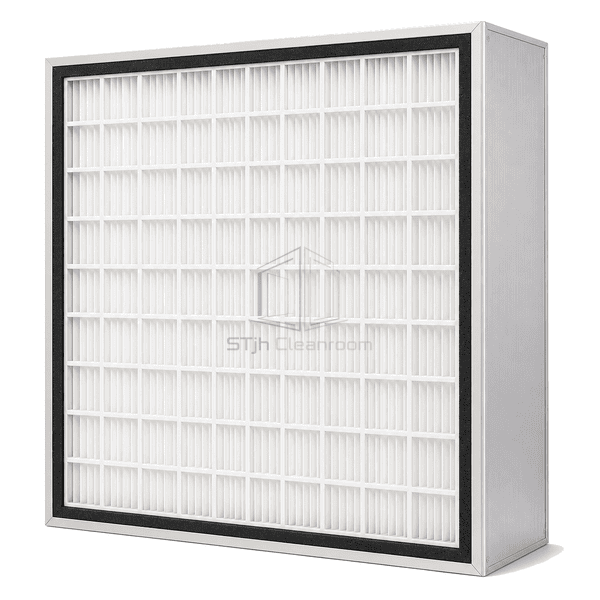
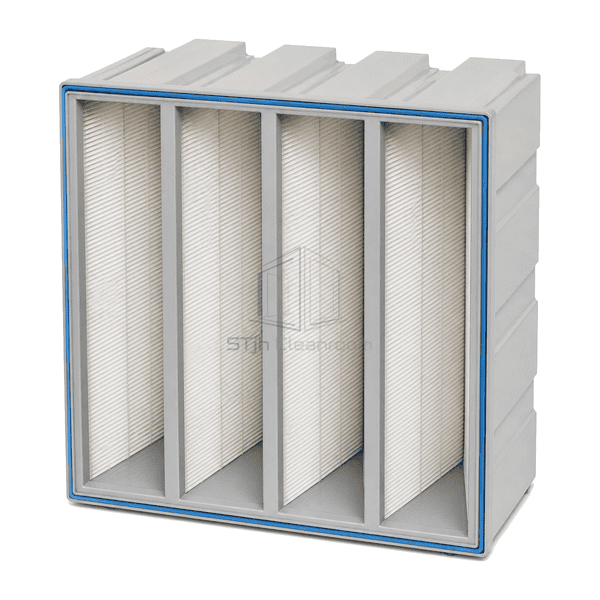
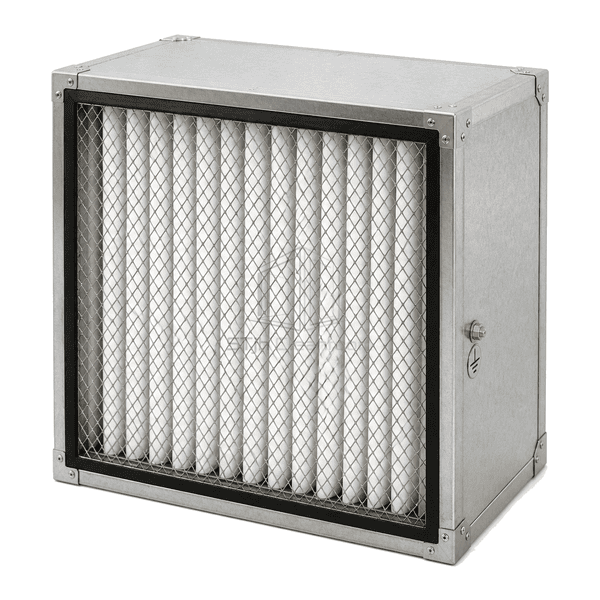
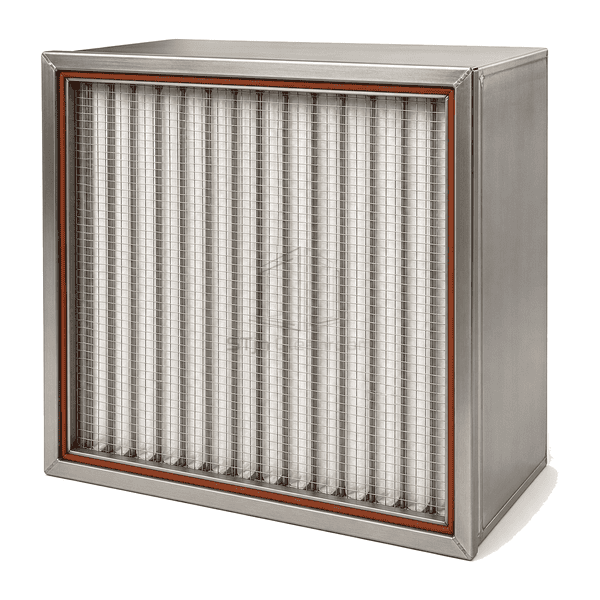
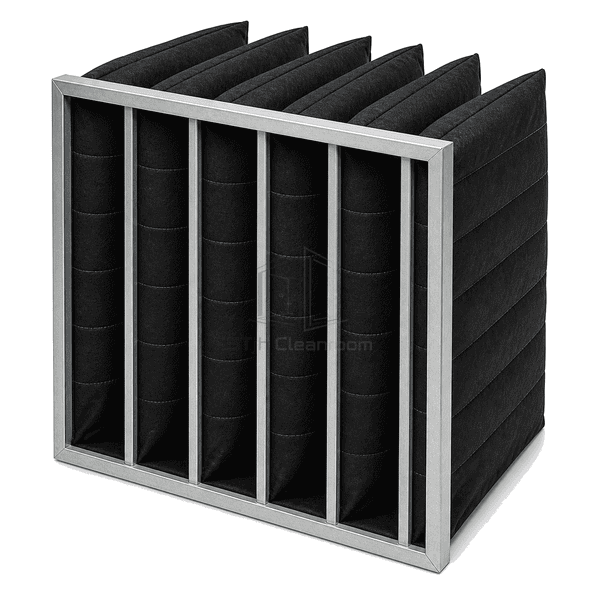
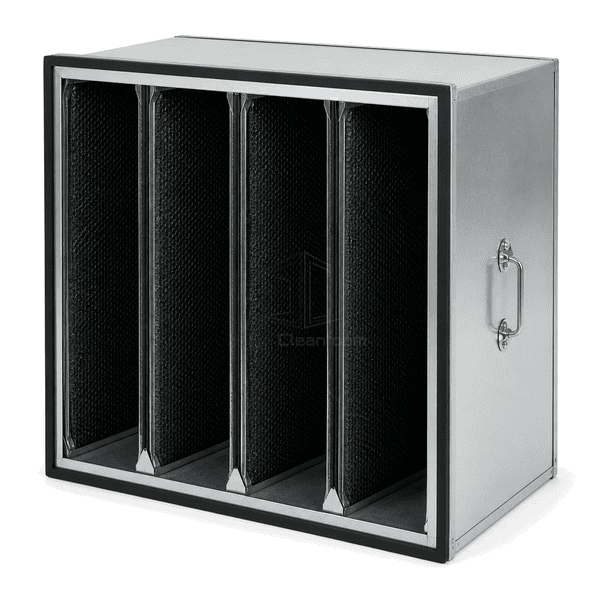
Add an intermediate particulate stage using pocket, rigid-box or compact formats. Compare airflow, installation space and pressure resistance before moving to final filtration.
Explore Products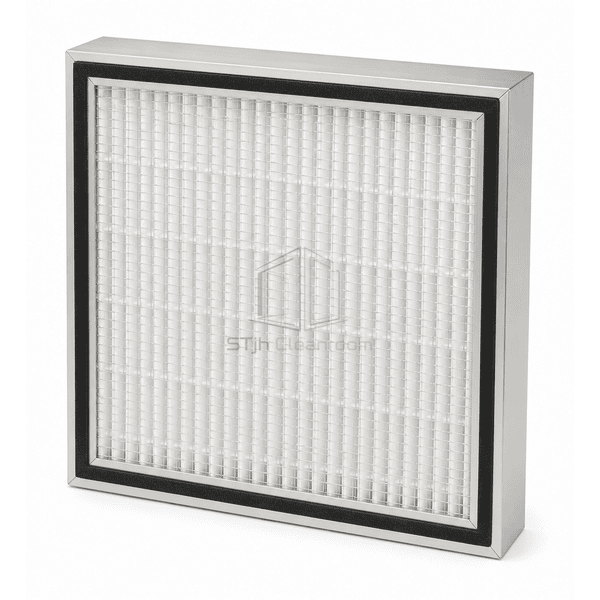
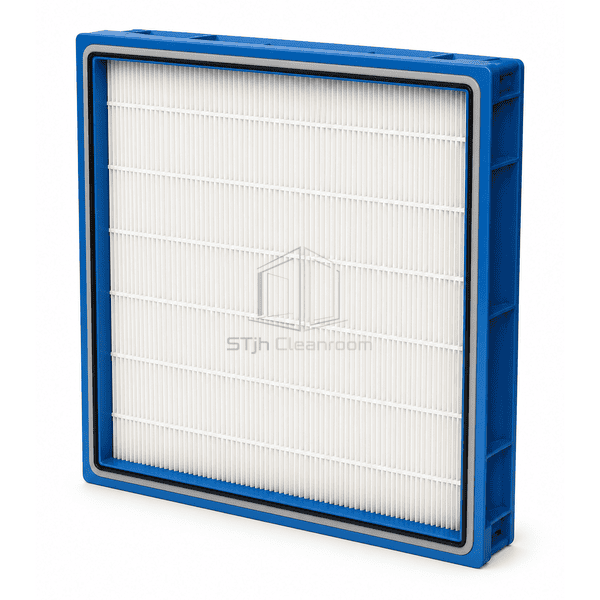
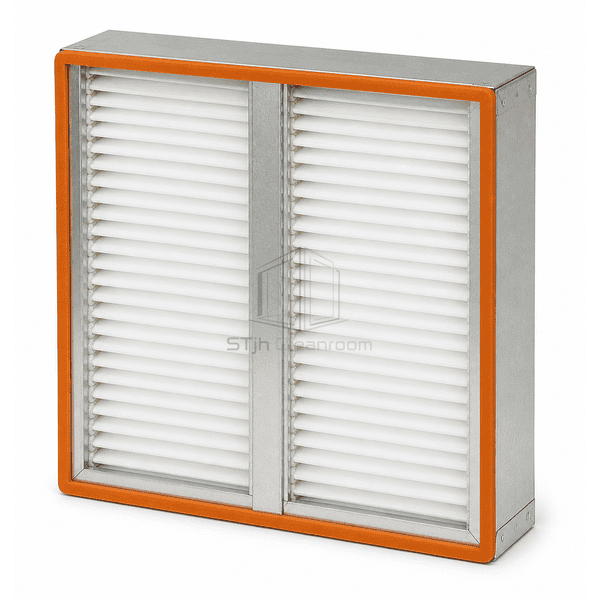
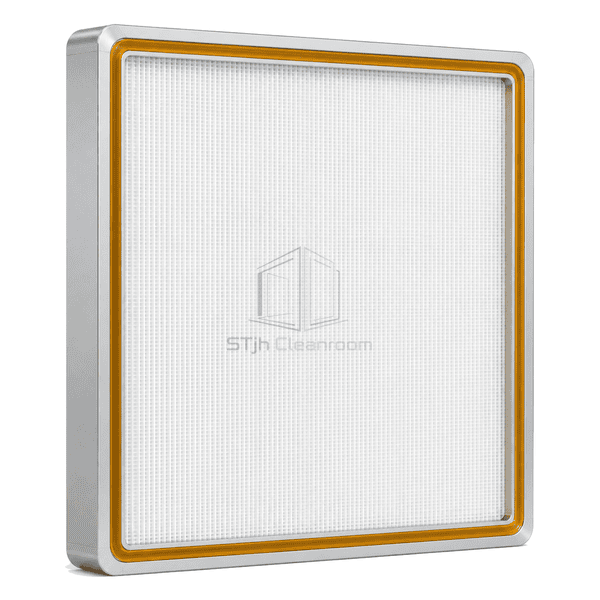
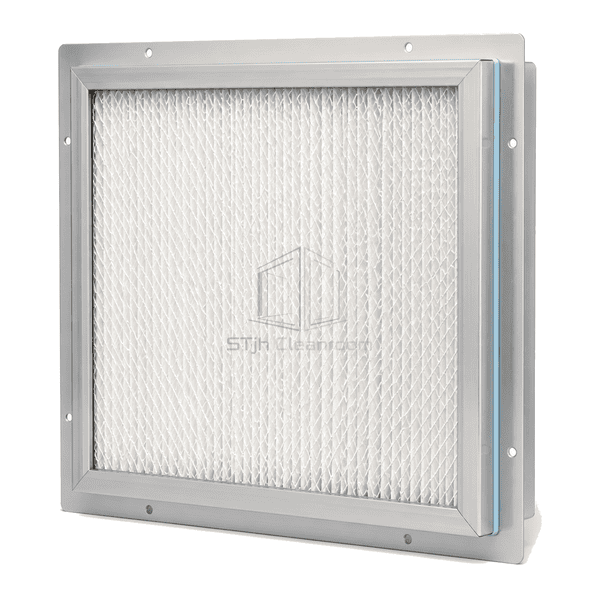
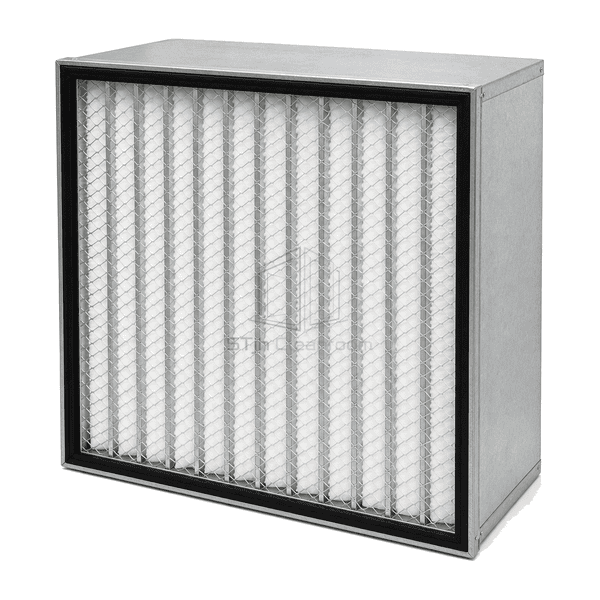
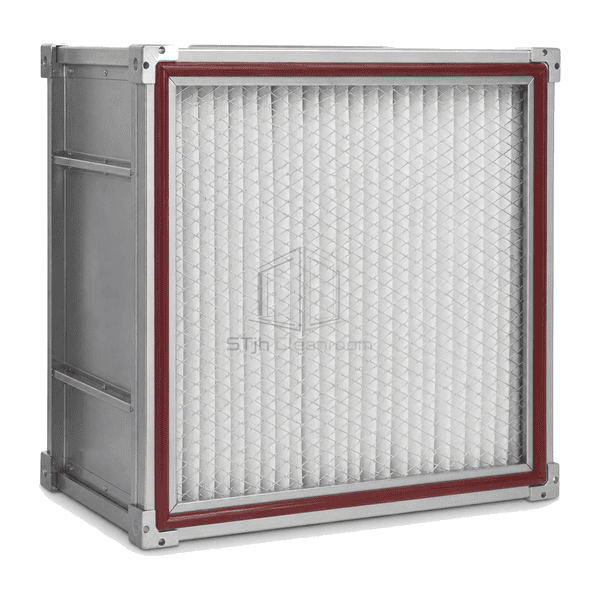
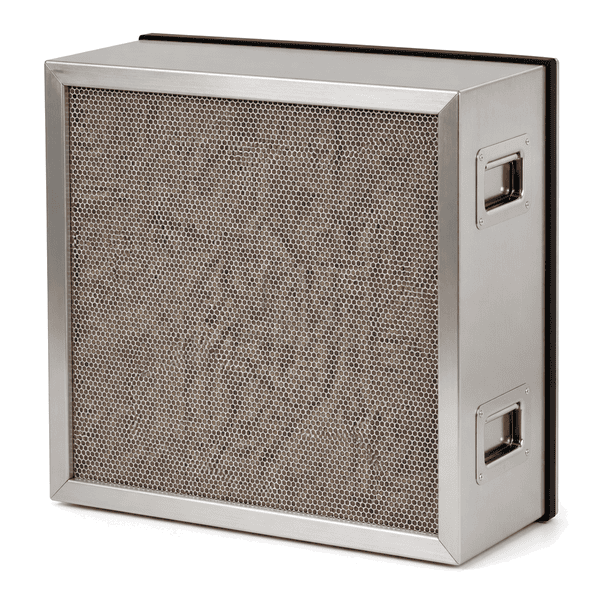
Choose HEPA filters for suitable terminal, recirculation or exhaust applications. Match the required filtration performance with frame depth, sealing method, operating conditions and housing access.
Explore Products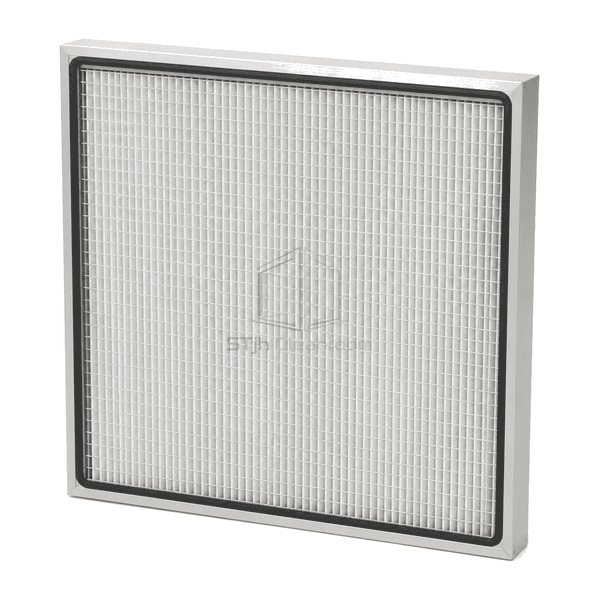
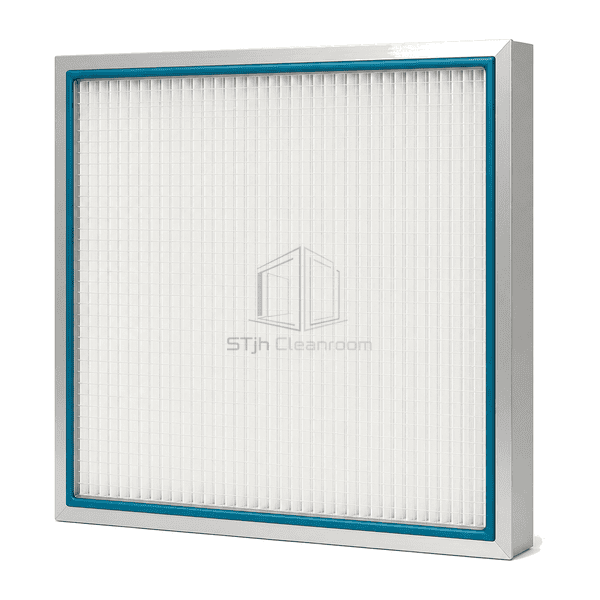
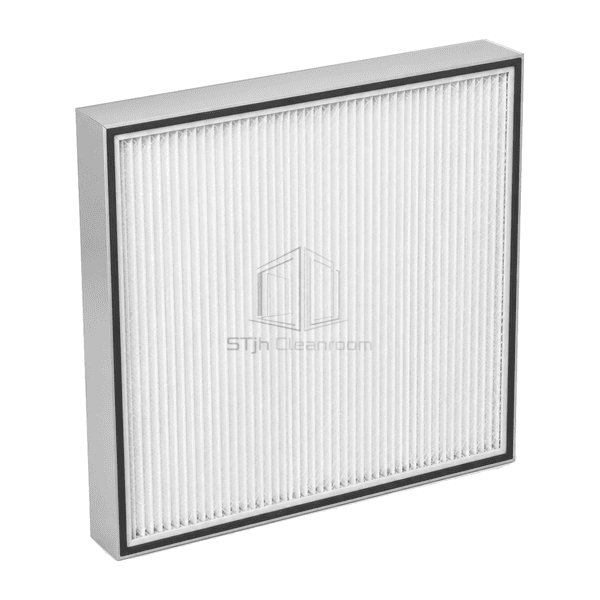
Explore ULPA formats for processes with demanding particulate requirements. Review filtration needs alongside available fan pressure, compatible seals and the intended terminal or equipment installation.
Explore Products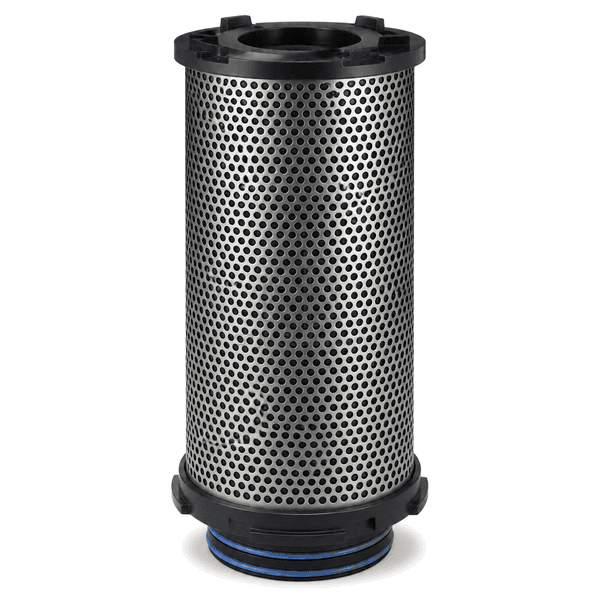
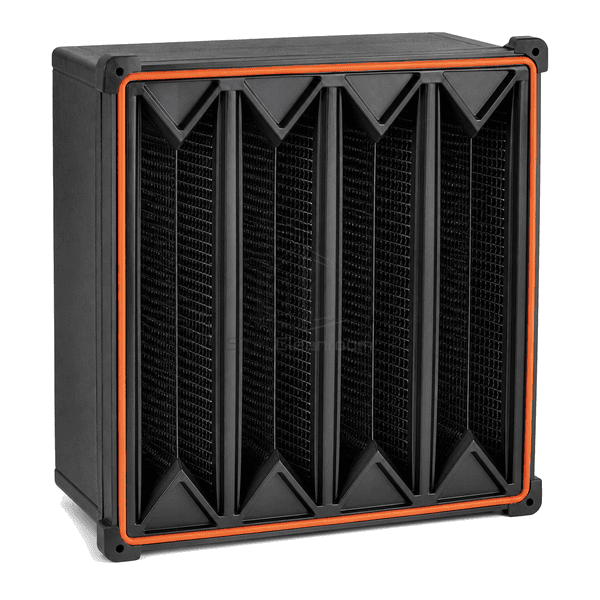
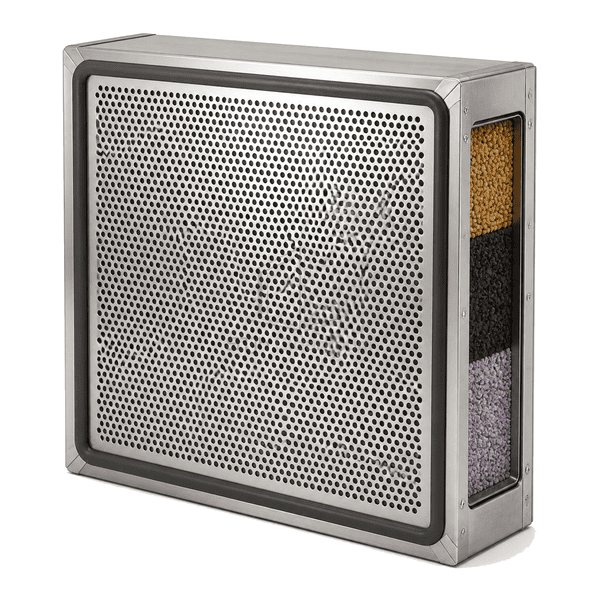
Address identified gases, vapors or airborne molecular contamination with purpose-selected media. Provide contaminant information and environmental conditions to compare suitable chemical filtration options.
Explore Products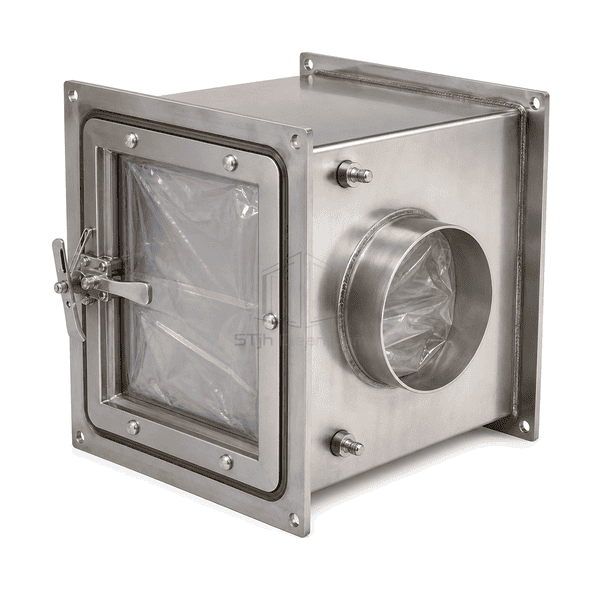
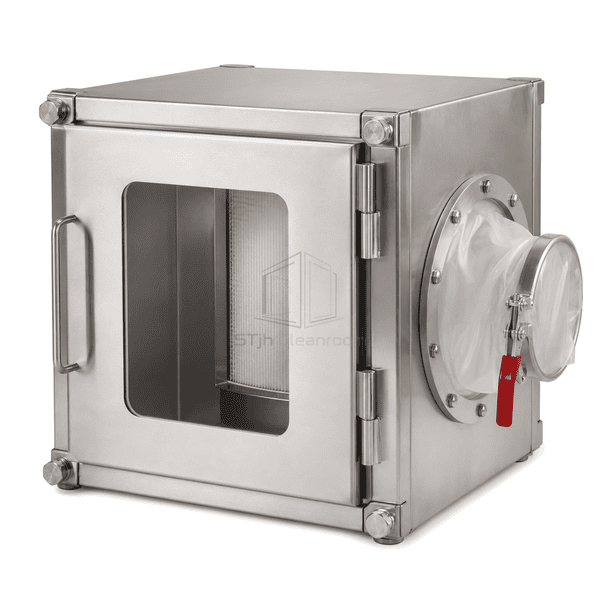
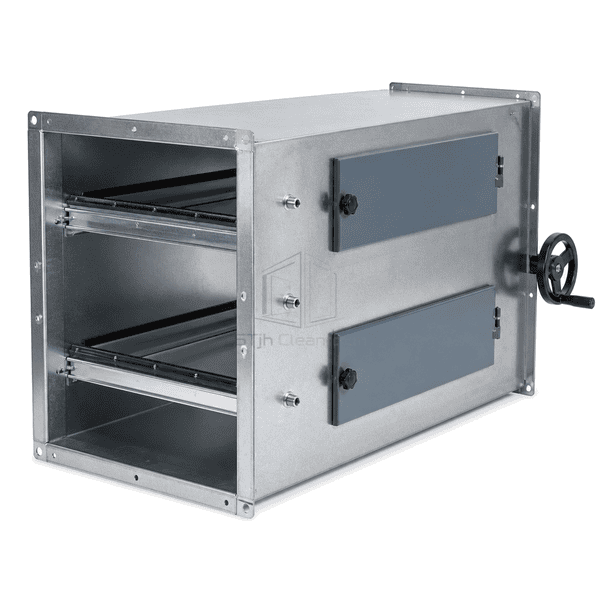
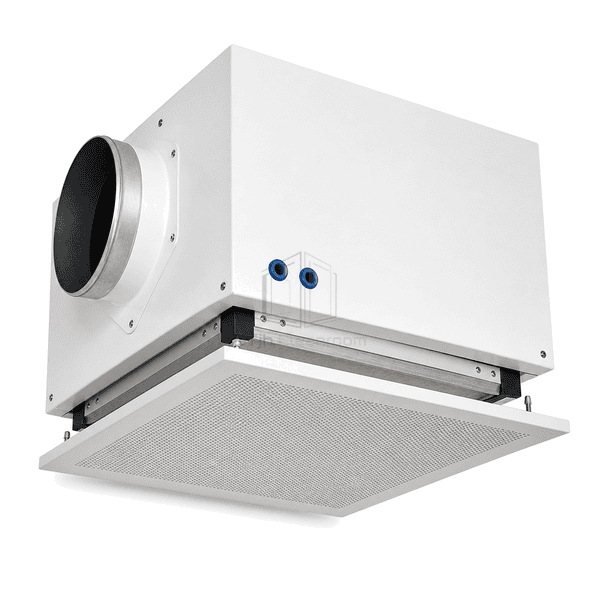
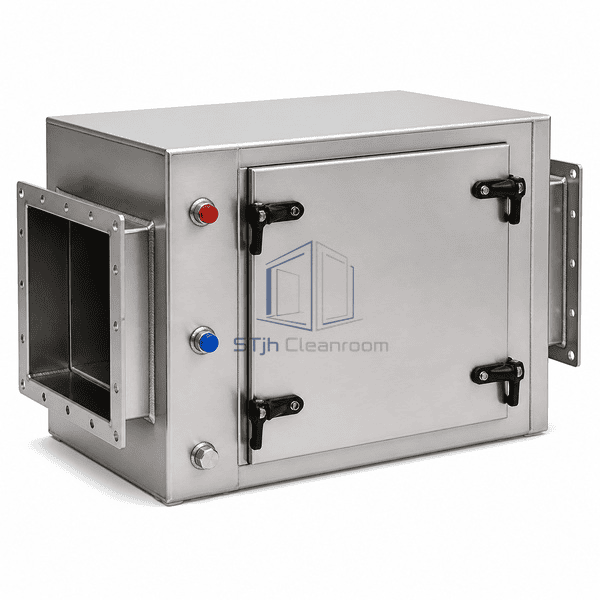
Support filter installation and service with terminal, side-access and safe-change housing options. Consider sealing details, maintenance space and the handling needs of collected contaminants.
Explore Products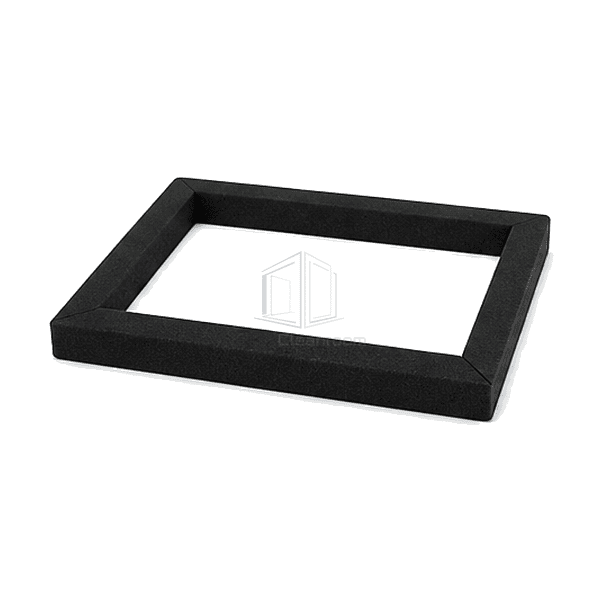
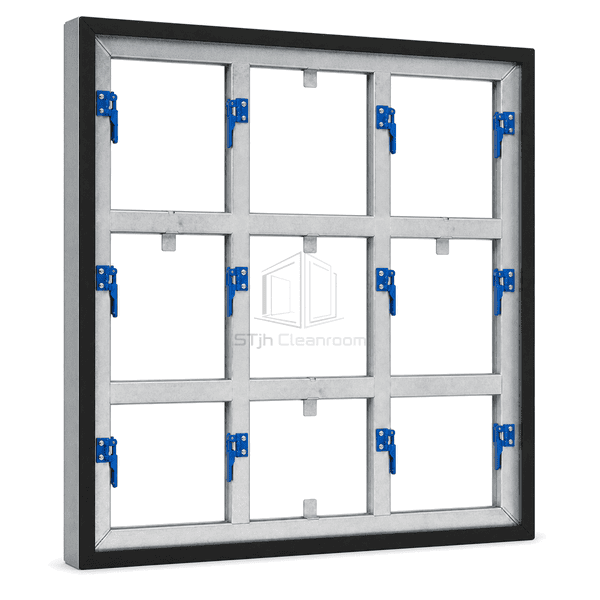
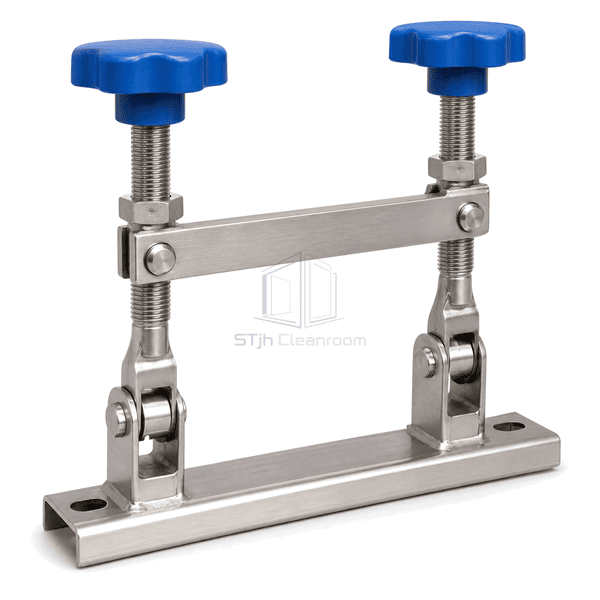
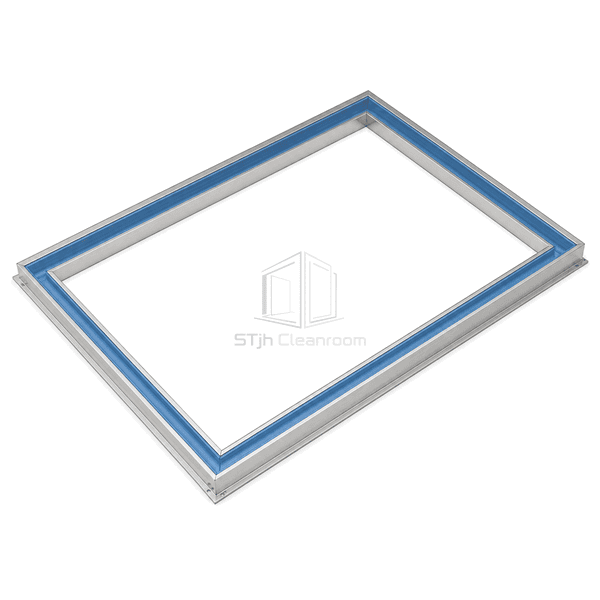
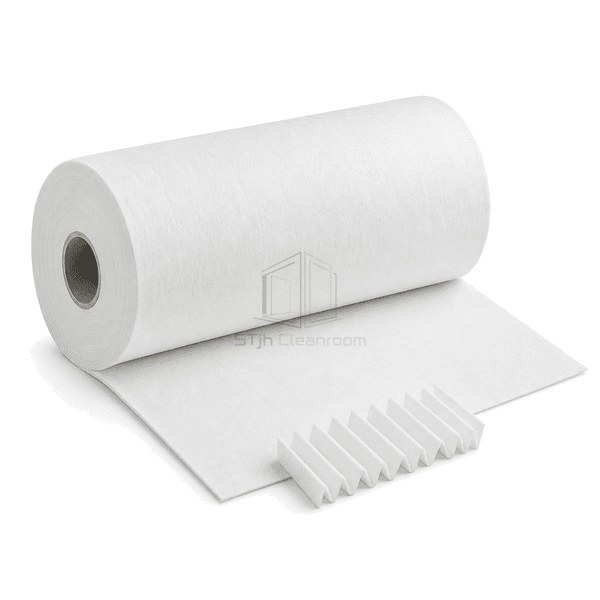
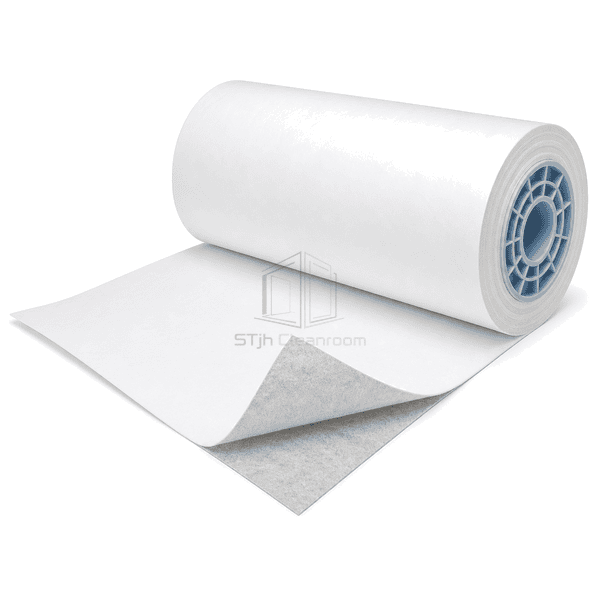
Complete the filtration interface with compatible clamping, gasket, gel-seal and media options. Confirm the existing assembly dimensions and material requirements before selecting replacement components.
Explore ProductsCleanroom filtration is more than choosing a high efficiency label. Outdoor dust, recirculated particles and process-related gases create different demands. Pre-filters and medium-efficiency filters address upstream particulate loads, while HEPA and ULPA products serve more demanding final filtration duties where the selected equipment and application require them.
Gas-phase contamination needs a different conversation. Activated carbon and targeted molecular media are selected around the particular contaminants, their concentration and the operating environment. A particulate filter is not a general solution for gases, and one chemical media type should not be assumed to remove every airborne compound.
Physical fit is equally important. A suitable filter must connect properly to its frame or housing, with the correct gasket or gel-seal interface. Include allowable pressure drop, maintenance access and replacement procedures in your inquiry so the filter selection supports the entire air system rather than just the available opening.
Compare rated airflow, initial resistance and the available fan pressure together with external dimensions and installation depth.
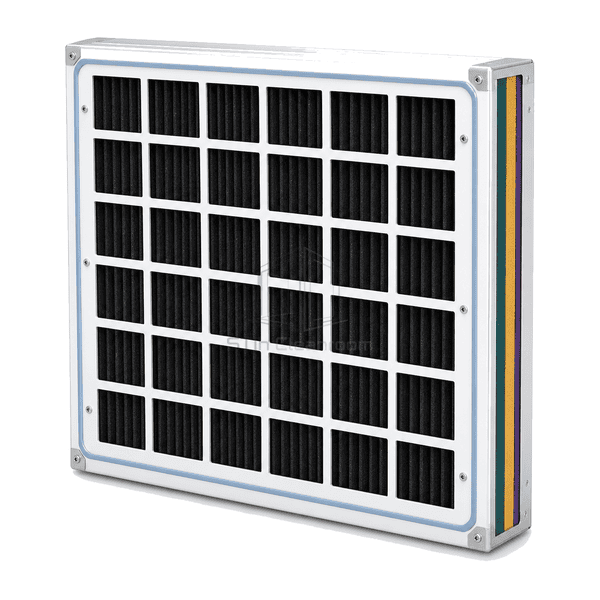
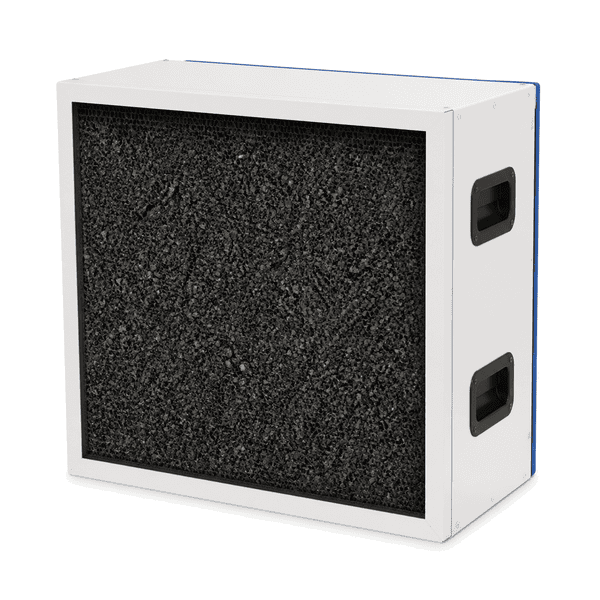
Identify the molecular contaminants and review appropriate activated carbon or targeted chemical media instead of simply increasing particle-filter efficiency.
Match the frame, clamping arrangement and gasket or gel interface as a complete installation detail.
Consider side-access or safe-change housings and the necessary working clearance before finalizing the equipment layout.
Staged particulate filtration in air-handling units, terminal housings and compatible fan filter equipment.
Particle filtration and targeted molecular control where process materials require attention to airborne contamination.
Application-specific exhaust filters, housings and replacement components selected around the captured material and service method.
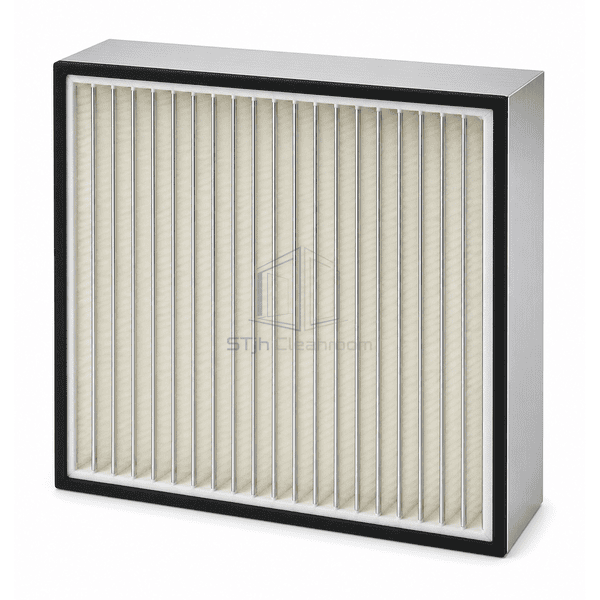
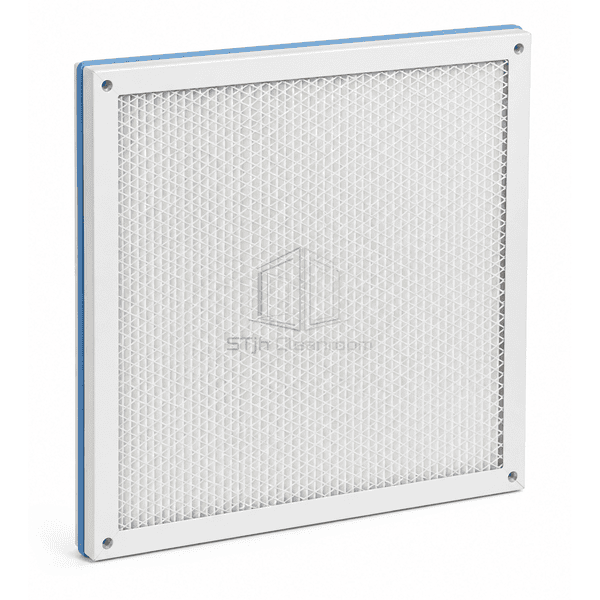
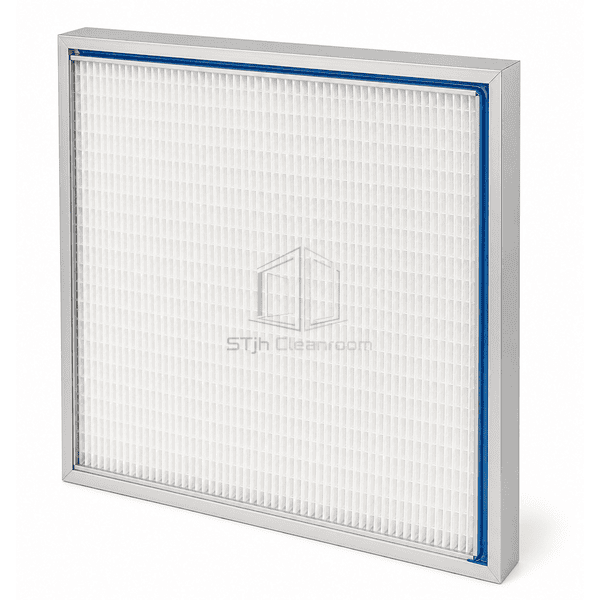
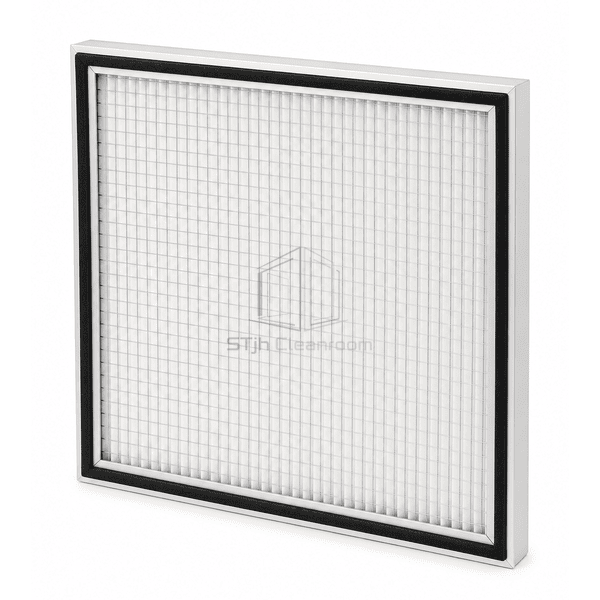
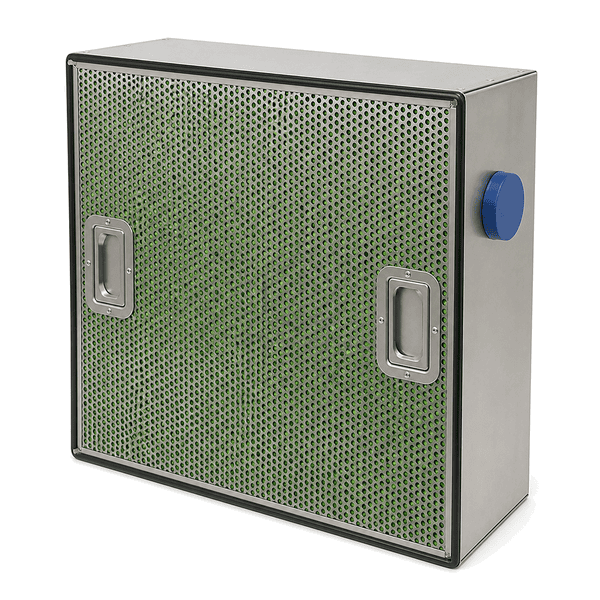
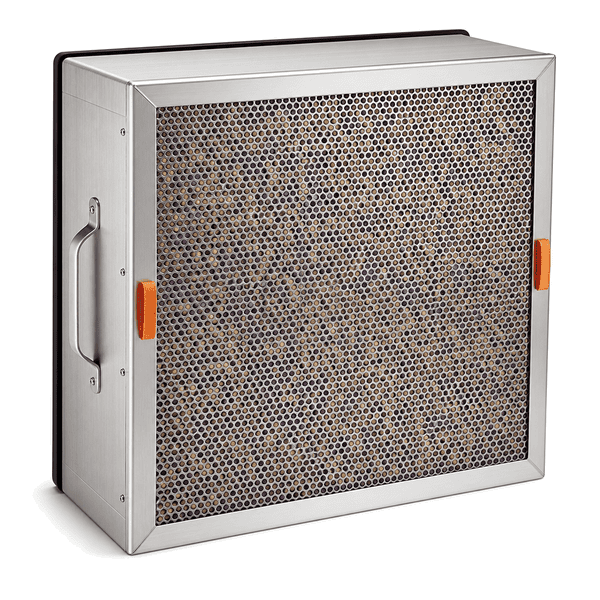
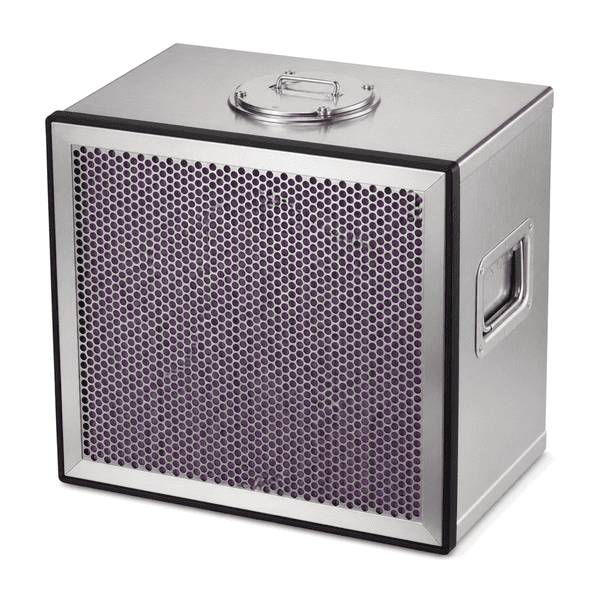
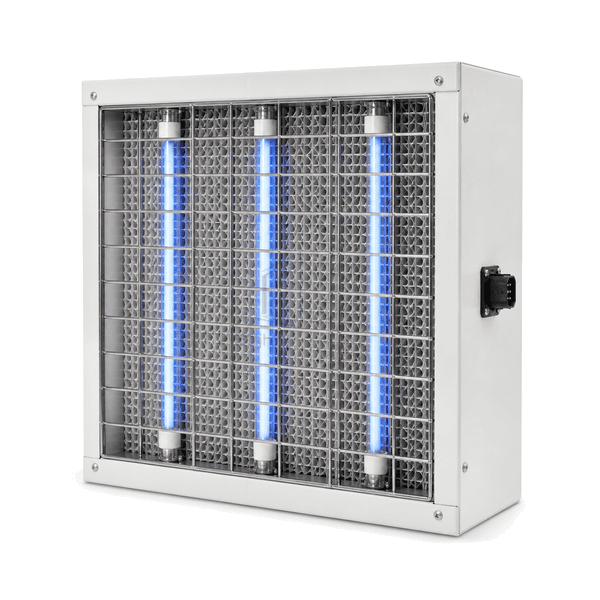
No products match your selection. Try another product type or a shorter search term.
HEPA filters capture particles. Gases and vapors generally require suitable molecular filtration media or another process-specific treatment. Tell us the contaminant rather than relying on a general odor description.
Provide the existing label, dimensions, seal details and equipment airflow. Clear photographs of the frame and installation face help distinguish products that look similar but use different sealing arrangements.
Not by itself. The required cleanliness, airflow resistance, available fan pressure and installation integrity all matter. Select the filter performance needed for the application within a compatible air system.
Send your filter schedule, equipment labels or opening dimensions, together with airflow and contaminant information, for a targeted product quotation.