 English
 الألمانية
 العربيةالحالي
 الفرنسية
 الإندونيسية
 اليابانية
 الكورية
 اللغة الملاوية
 البرتغالية
 الروسية
 الإسبانية
 التايلاندية
 اللغة التركية
 اللغة الفيتنامية
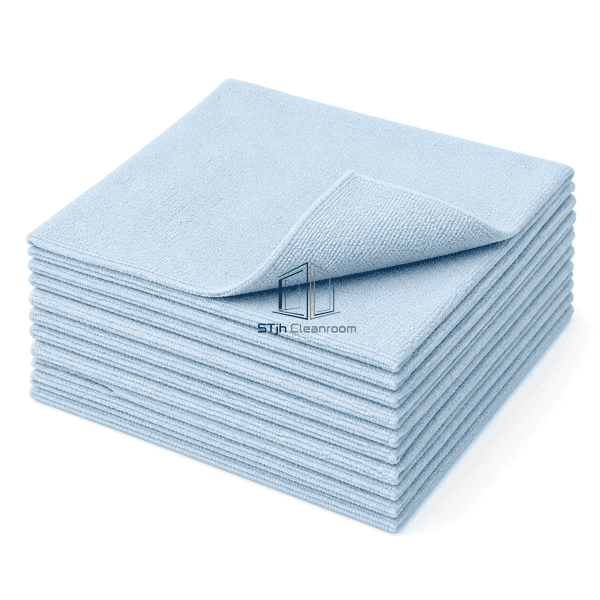
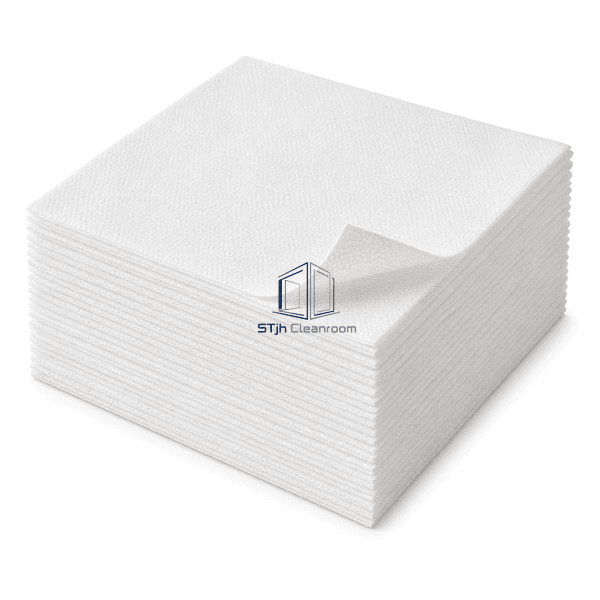
A wipe absorbs well but leaves unwanted fibers or residue.
Compare substrate, edge construction and extractable-residue requirements alongside absorption and cleaning-fluid compatibility.


Keep everyday tasks supplied with materials chosen for controlled environments. Browse wipes, swabs, sticky mats, packaging, labels and handling accessories for cleaning, transfer and workbench use. Match each consumable to its surface, residue and handling method, with suitable material and presentation options that help operators work consistently without bringing ordinary office or workshop supplies into sensitive areas.
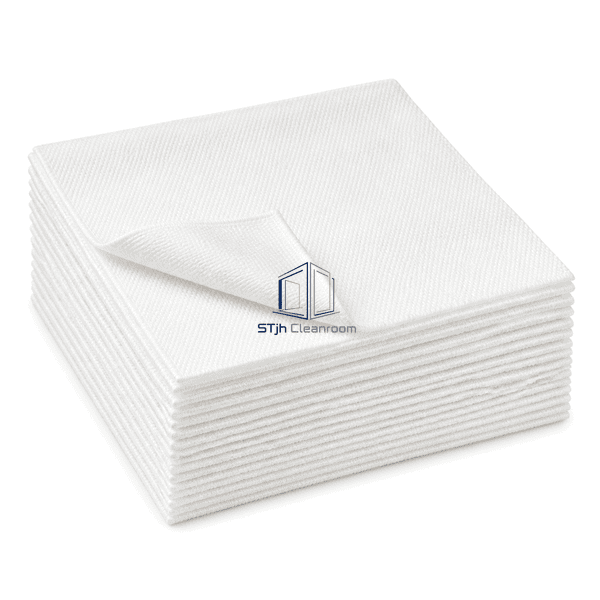
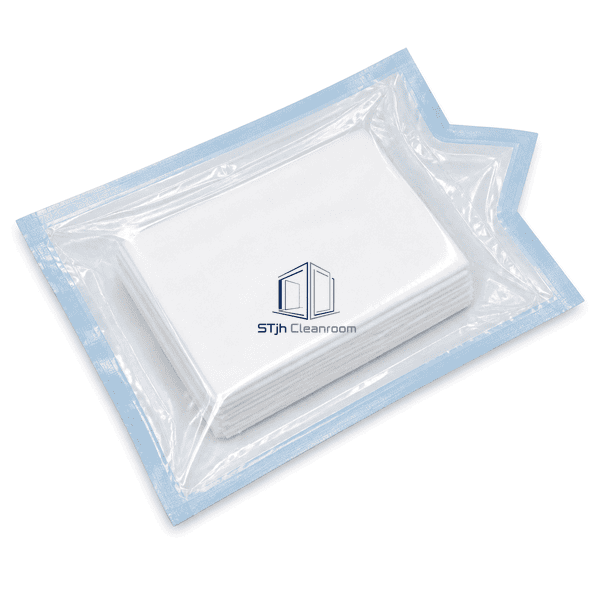
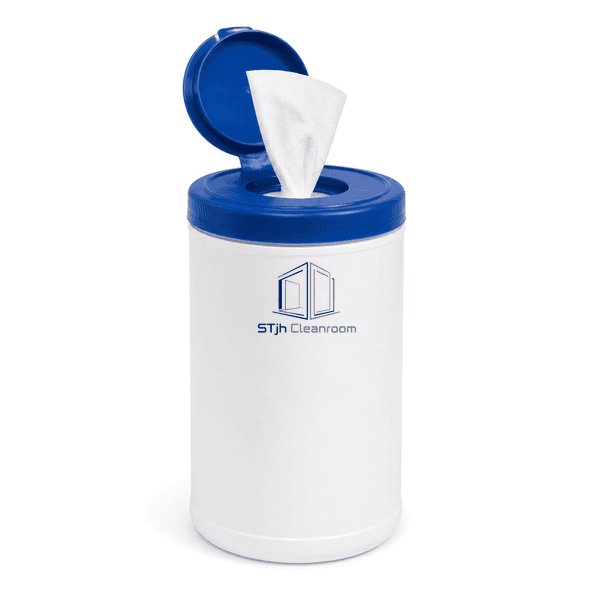
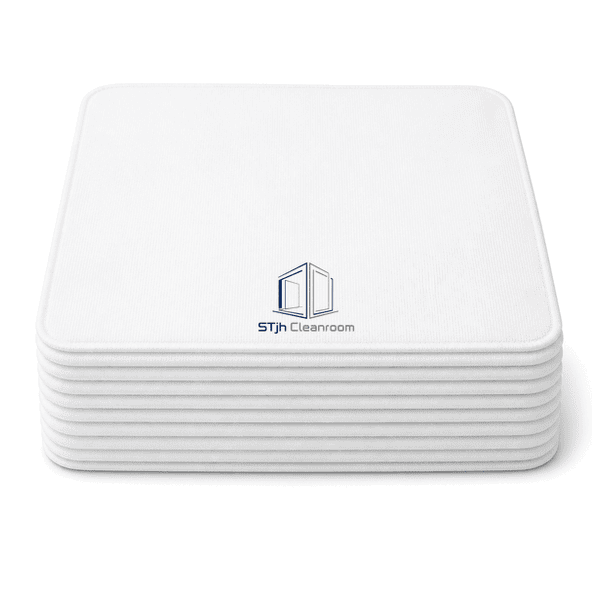
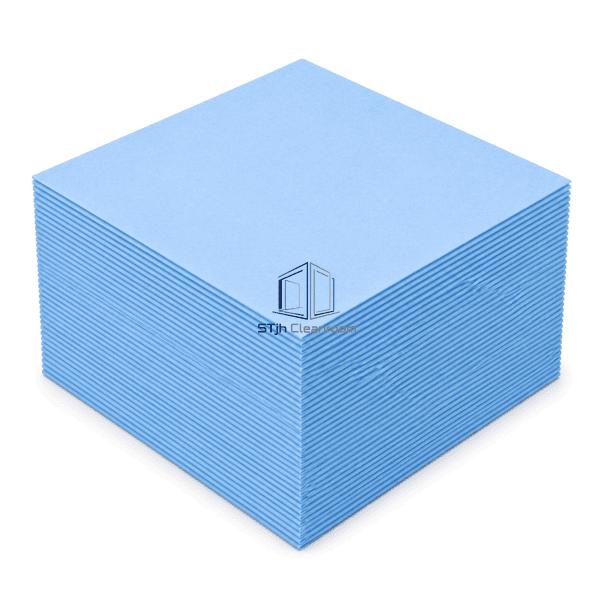
Compare wipe materials for absorption, surface contact and residue removal. Choose dry, presaturated or sterile presentations according to the cleaning task and the sensitivity of the working area.
Explore Products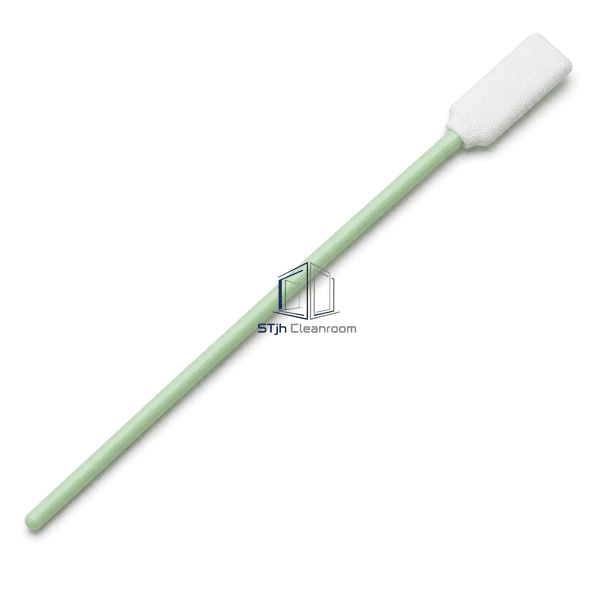
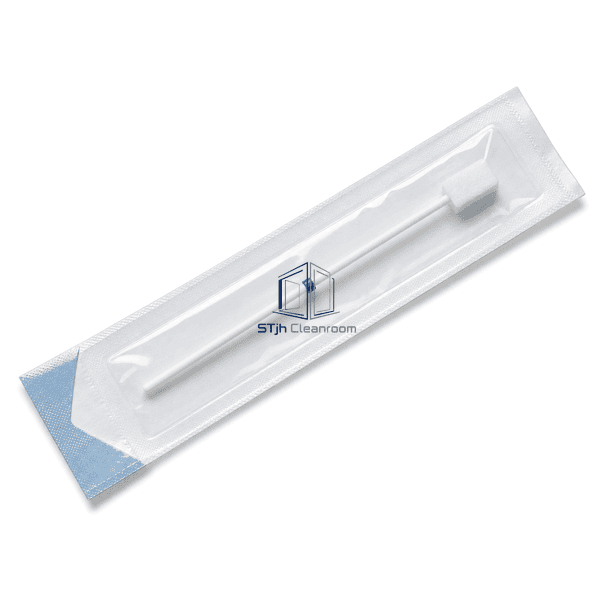
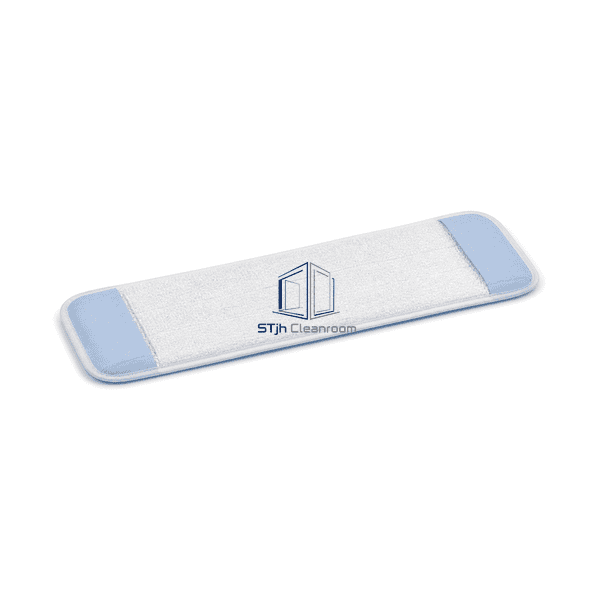
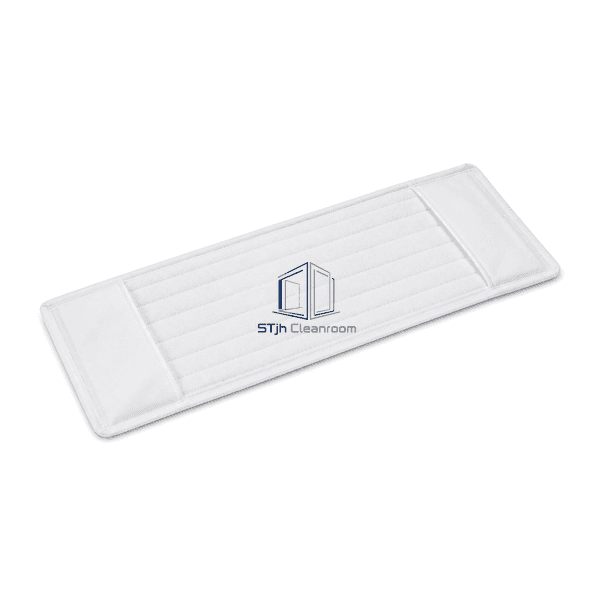
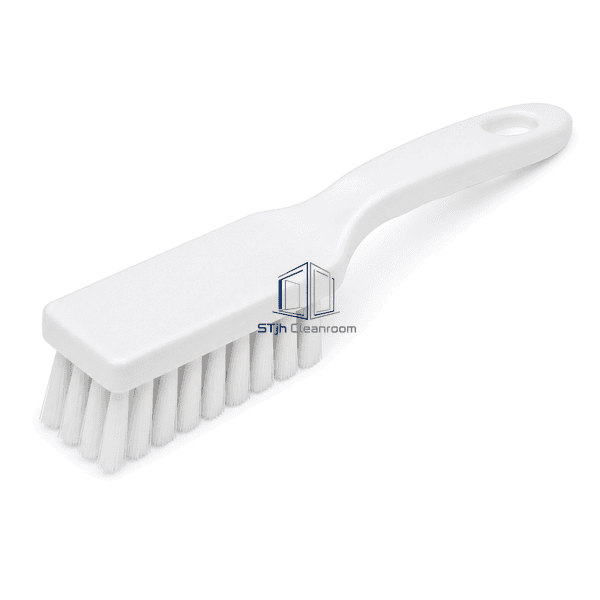
Reach small features and replenish floor or surface cleaning tools. Select swab geometry, mop attachment and contact material to suit the equipment and cleaning fluid already in use.
Explore Products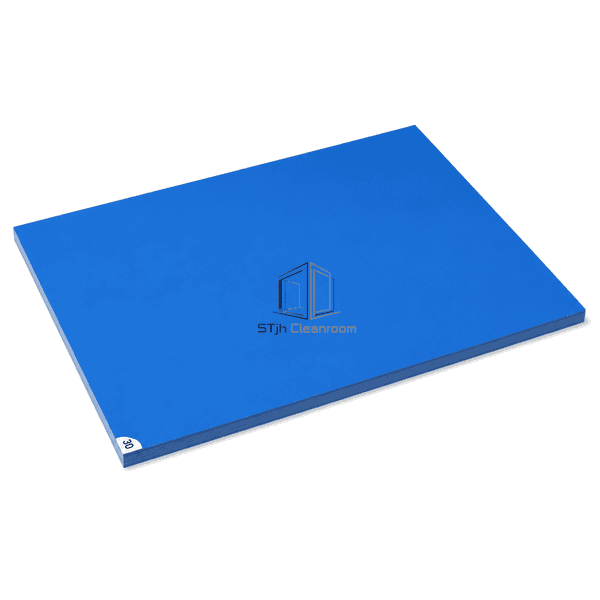
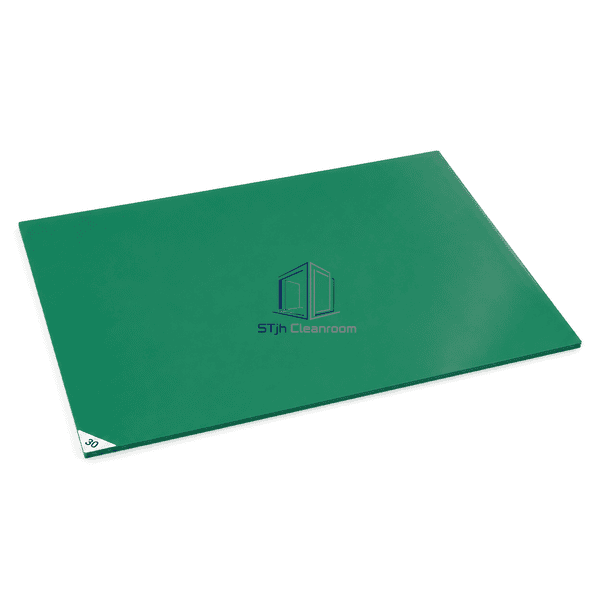
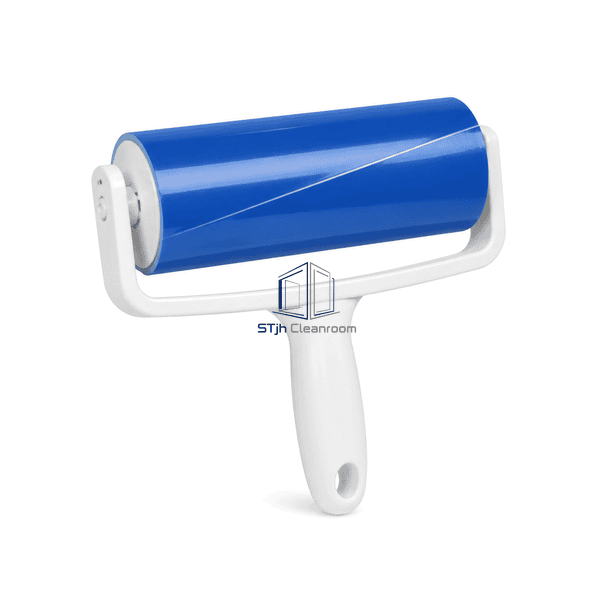
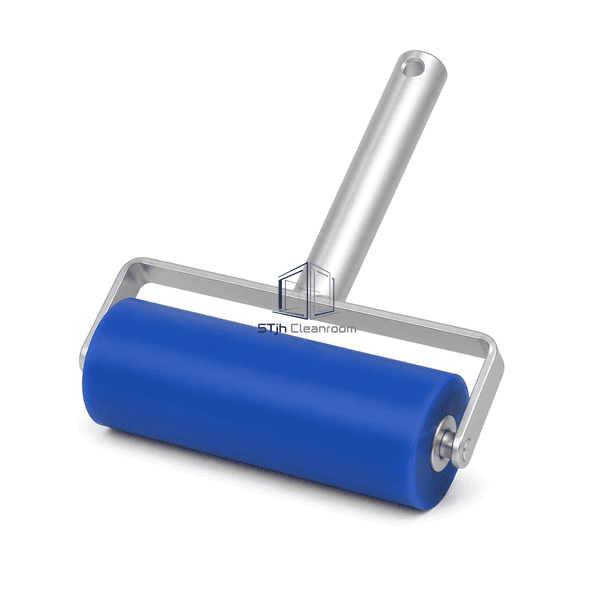
Collect loose particles from suitable footwear or surfaces using tacky contact products. Compare size, tack characteristics and renewal methods; use them as part of a broader cleaning routine.
Explore Products
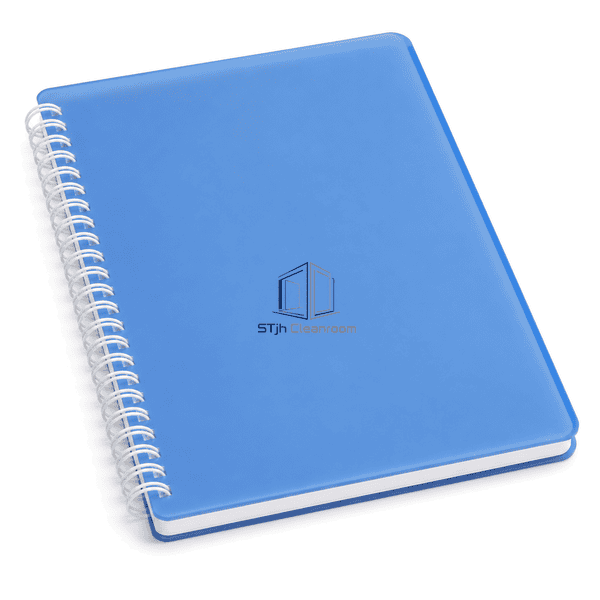
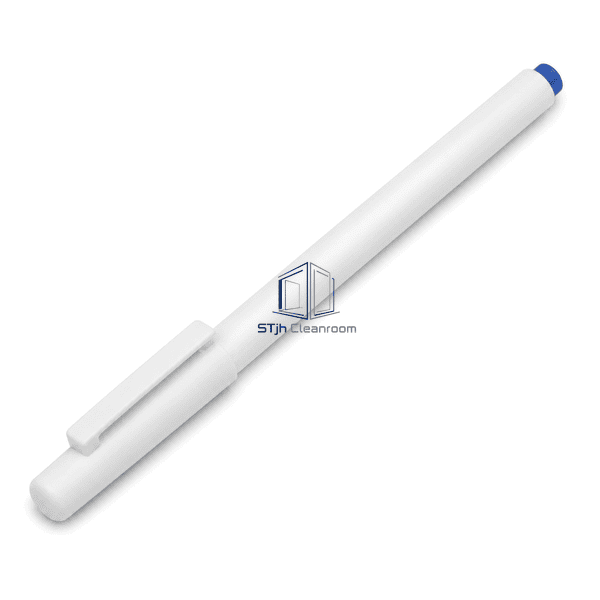
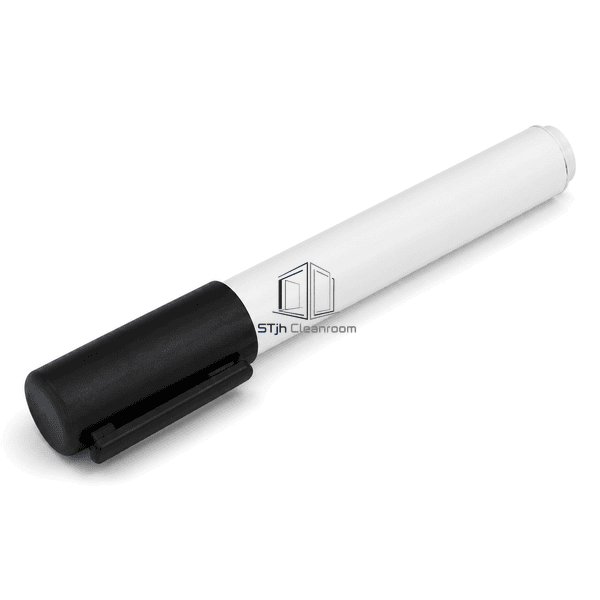
Support handwritten records and identification inside controlled areas. Choose paper, notebooks and writing tools that suit the recording task and reduce dependence on ordinary office supplies.
Explore Products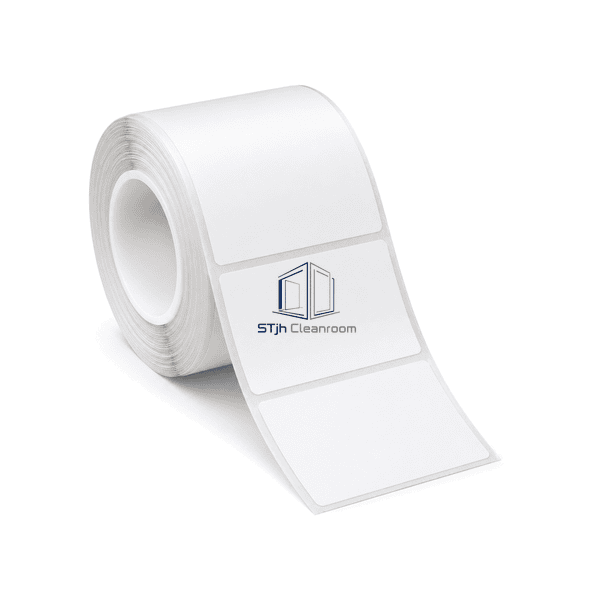
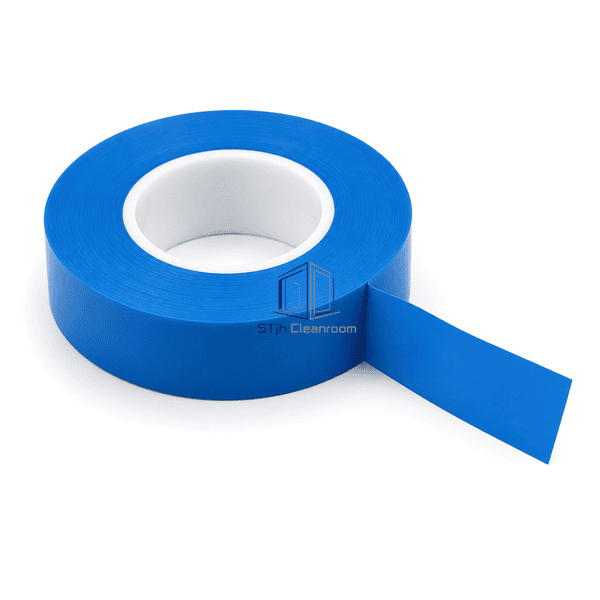
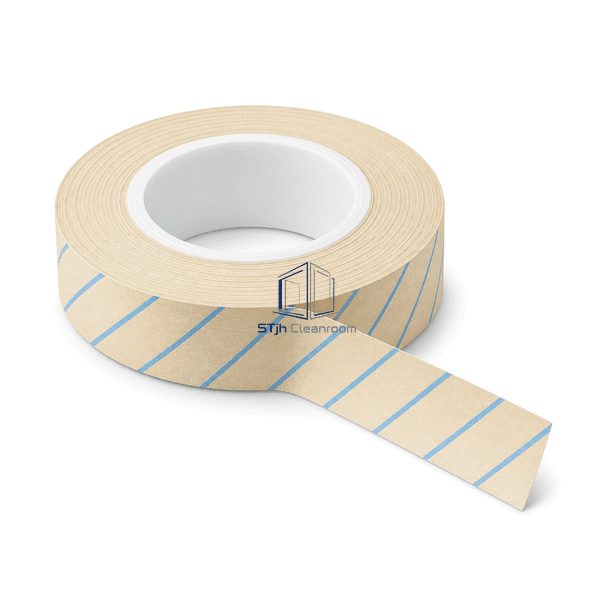
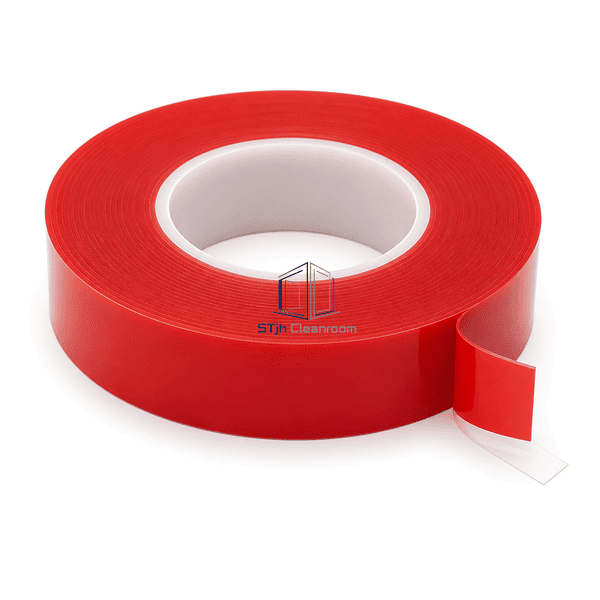
Mark, identify or secure items with tapes and labels selected for their contact surface. Consider adhesive residue, removal requirements and process exposure; indicator tape does not prove sterility.
Explore Products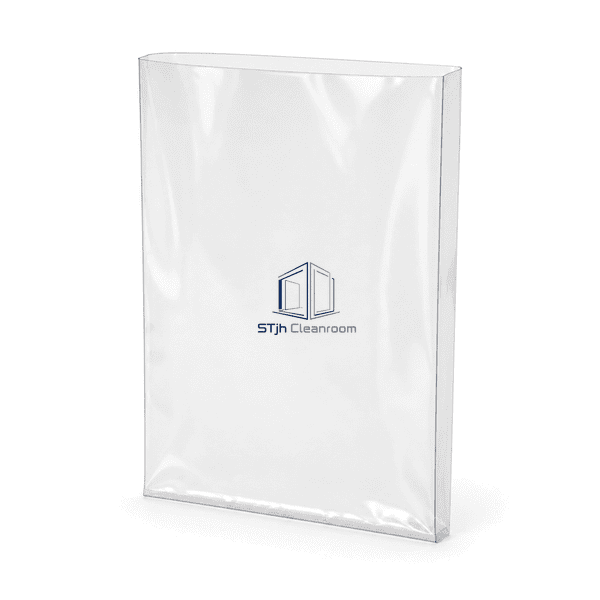
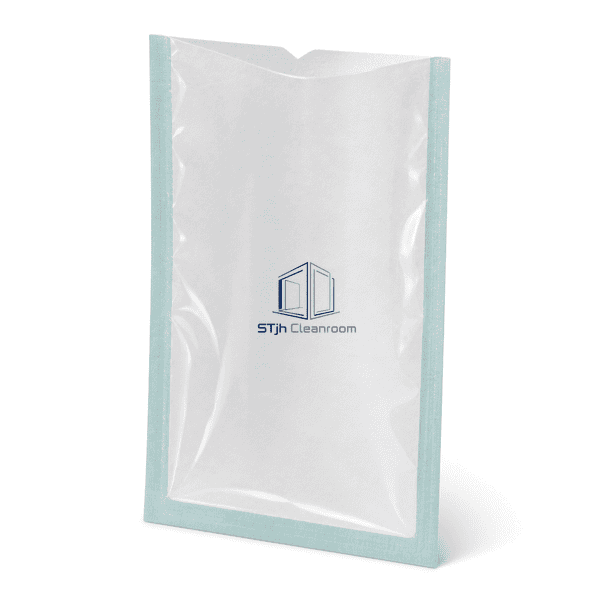
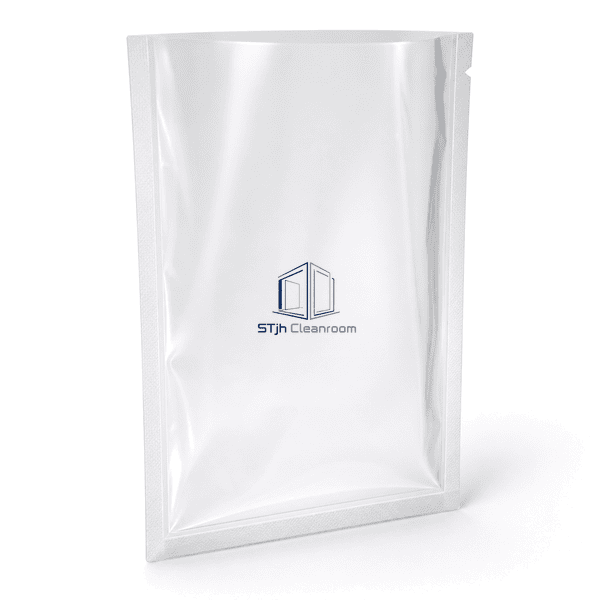
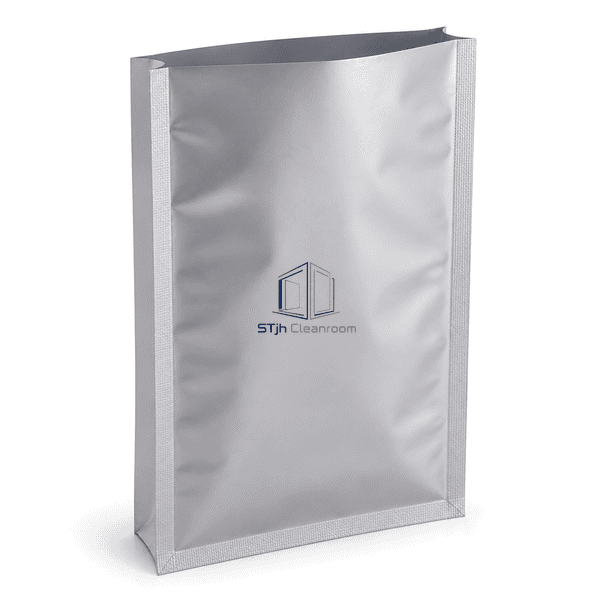
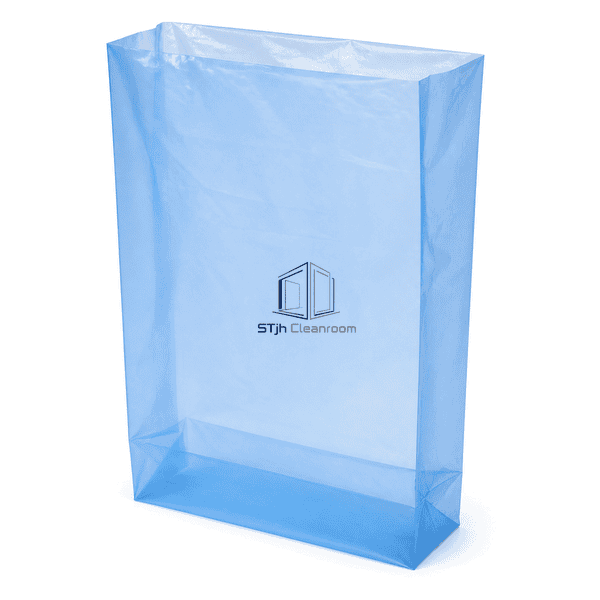
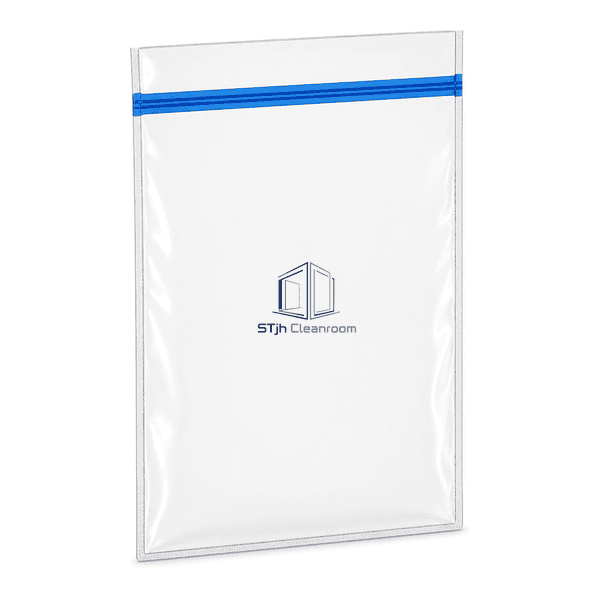
Protect items during handling and transfer with appropriately sized packaging. Compare closure style, material compatibility and sterile or shielding needs around the product and its storage conditions.
Explore Products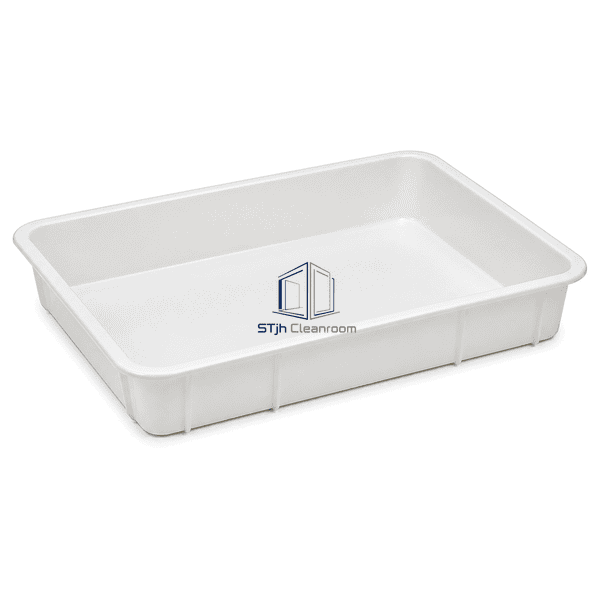
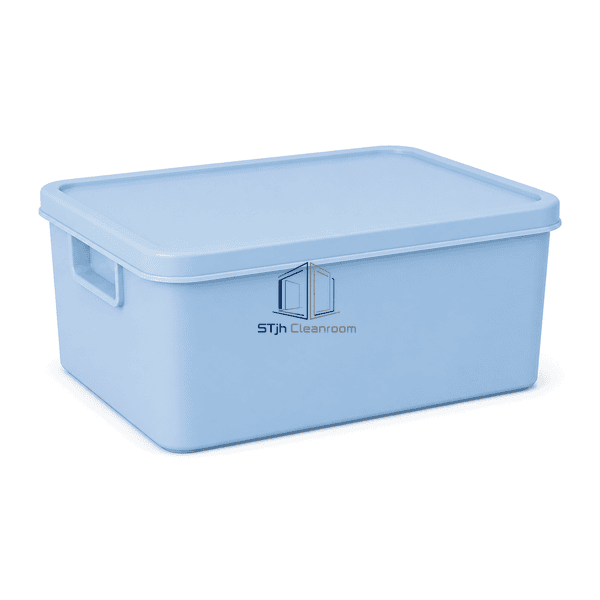
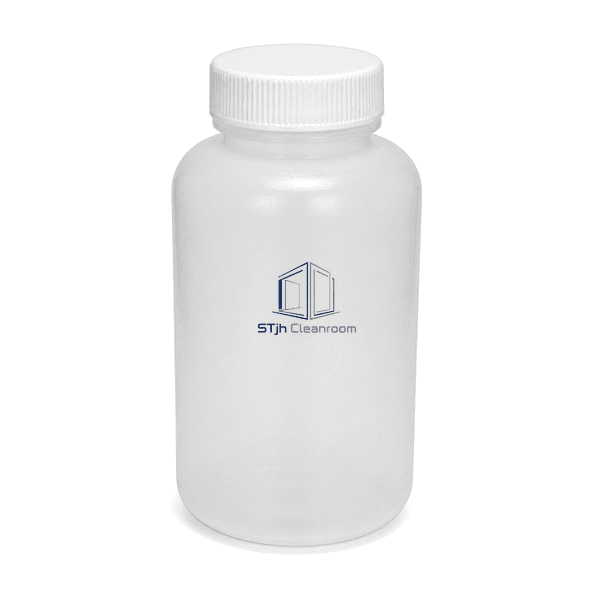
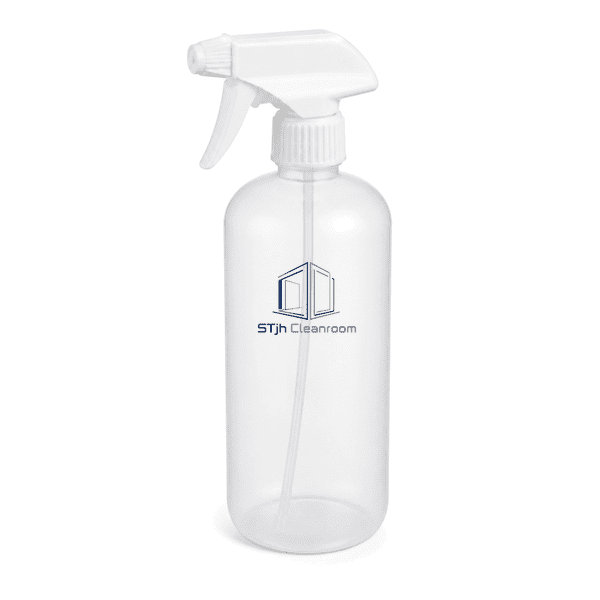
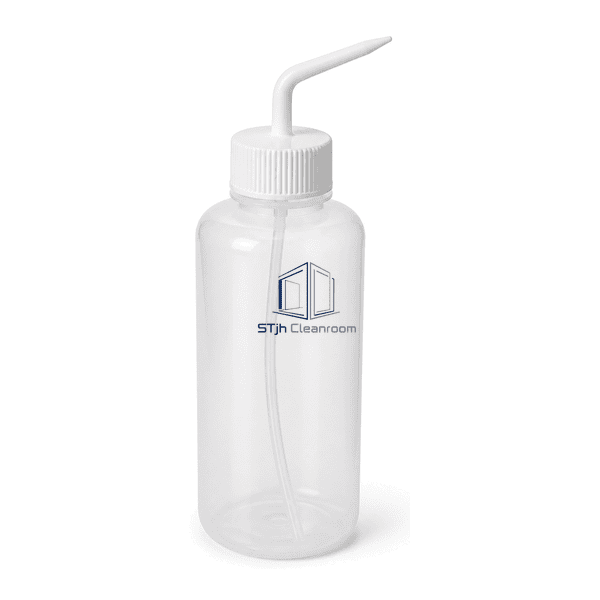
Organize parts and dispense compatible liquids using containers matched to the task. Check contact material, closure, usable volume and cleanability before choosing a tray, tote or bottle.
Explore Products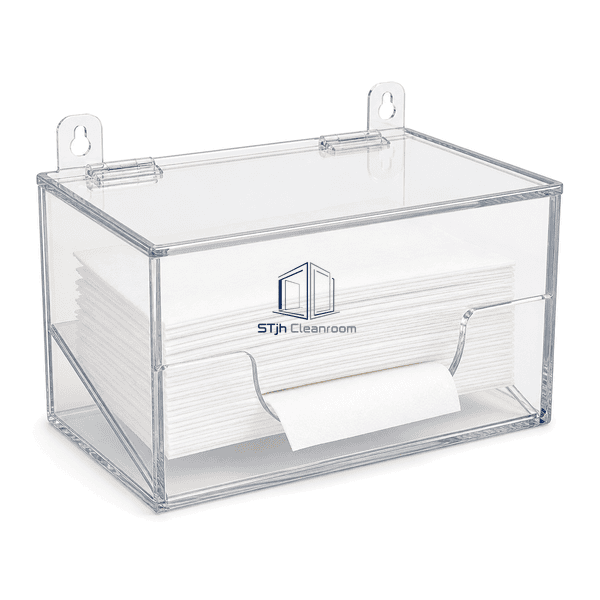
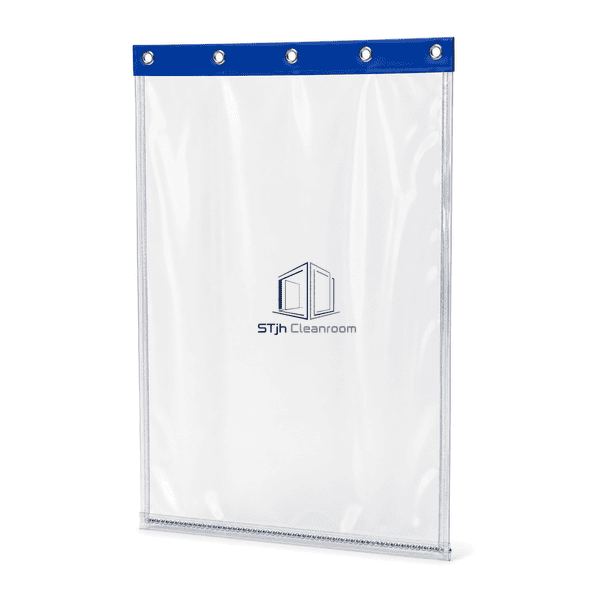
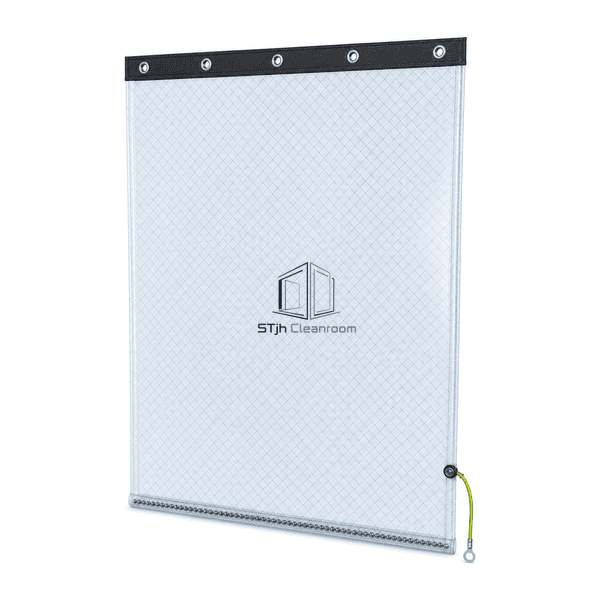
Support local separation and orderly consumable access with curtains and dispensers. Select dimensions, mounting arrangements and material compatibility without treating a curtain as a sealed containment barrier.
Explore ProductsConsumables interact with the product and workspace repeatedly. A wipe touches a critical surface, a bag protects an item during transfer, and a label remains on a container. Those contact points make material selection more important than choosing supplies only by their appearance.
Wipes and swabs should be matched to the residue, surface geometry and cleaning fluid. Packaging and containers need compatible materials and closures. Paper, tapes and pens should be selected with the same care when they enter a controlled area.
STjh combines these everyday requirements in one range. Describe the intended task and any sterile, low-residue or static-control needs, and we can help build a supply list that reflects how your operators actually work.
Compare substrate, edge construction and extractable-residue requirements alongside absorption and cleaning-fluid compatibility.
Select swab head geometry and handle length to reach the feature without using an oversized or abrasive tool.
Choose bags, trays and containers with compatible contact materials, closures and sizes for the item and transfer sequence.
Create a defined replenishment list for recurring wipes, labels, packaging and other commonly used formats.
Select wipes, swabs and replacement mop supplies for worktops, equipment features and controlled surfaces.
Provide appropriate bags, trays and containers between manufacturing, inspection and packing steps.
Equip recording, identification and dispensing tasks with supplies suited to the working environment.
No products match your selection. Try another product type or a shorter search term.
Not for every task. Polyester, microfiber and nonwoven materials differ in handling, absorption and residue characteristics. Choose the wipe around the surface, soil and cleaning process rather than the material name alone.
No. A tacky surface can collect some carried particles under its intended conditions, but it is not a replacement for a defined footwear cleaning or hygiene procedure.
Yes. List the item types, required sizes, presentation and estimated usage. Include any material, sterile or ESD requirements so the proposed supplies can be matched to each task.
Share the consumables you use, preferred formats and replenishment quantities. We can prepare a coordinated quotation across cleaning, handling and packaging needs.