 日本語
日本語 ドイツ人。
ドイツ人。 アラビア語:アラビア語
 フランス語で
 インドネシア語
 日本語で。流れ
 韓国語
韓国語 マレー語
マレー語 ポルトガル語
 ロシア語
ロシア語 スペイン語
スペイン語 タイ語
タイ語 トルコ語
トルコ語 ベトナム語
ベトナム語The hygiene sequence is awkward during busy entry periods.
Compare station layout, operating direction and access control around the required hand and footwear steps.


Equip the points where people enter, wash, work and respond to hazards. Browse personnel hygiene stations, sinks, drainage and emergency equipment selected for the facility's actual operations. Coordinate these products with traffic flow, cleaning methods and workplace risks to make routine hygiene easier to follow and keep appropriate safety equipment accessible when it is needed.
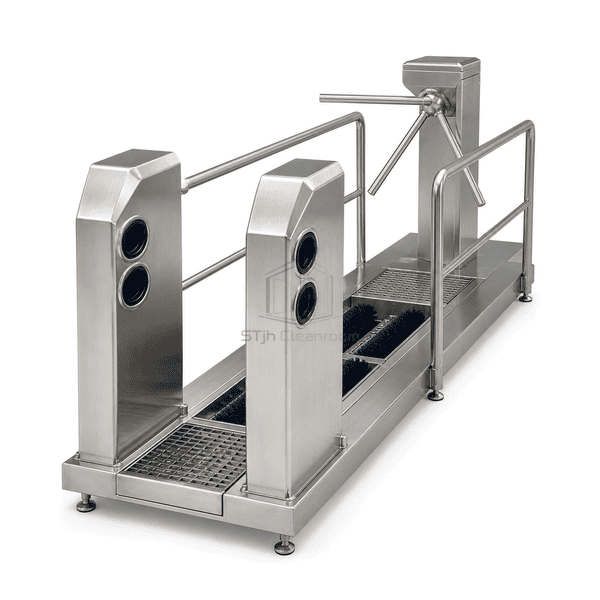
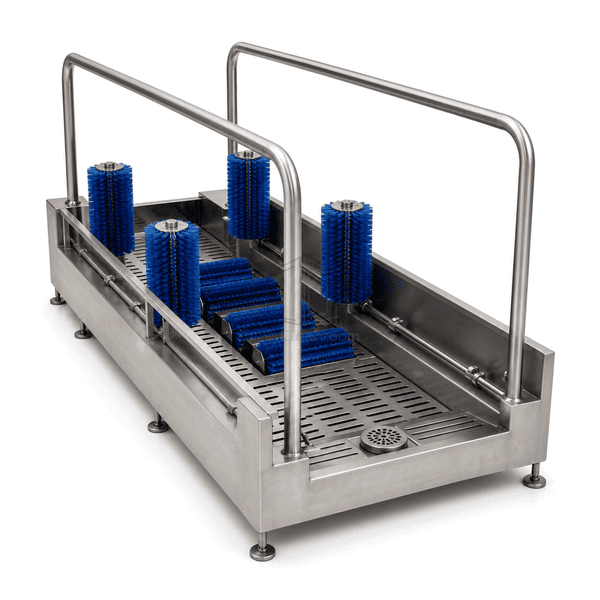
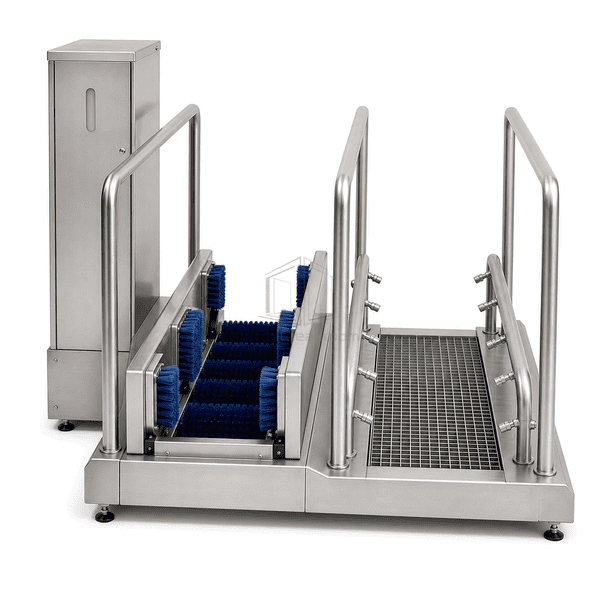
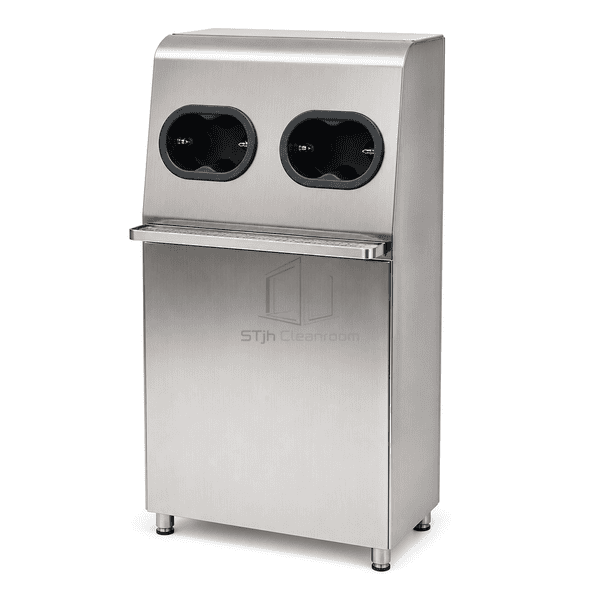
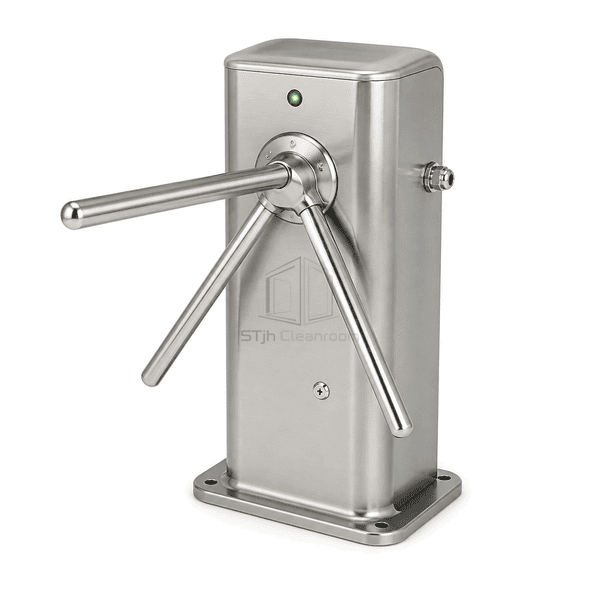
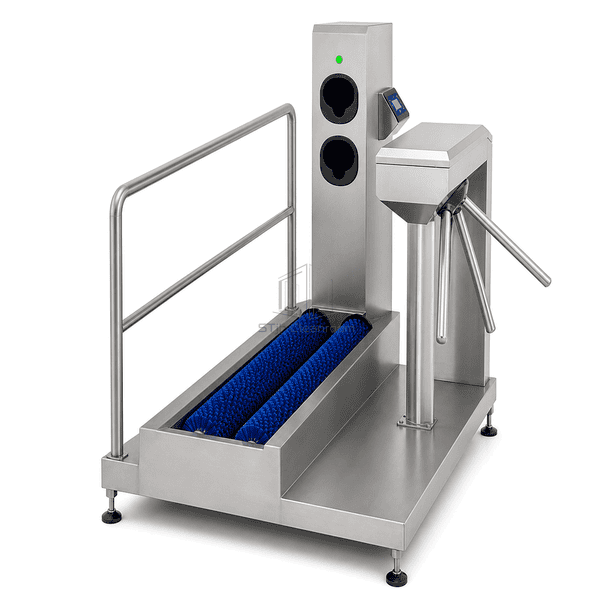
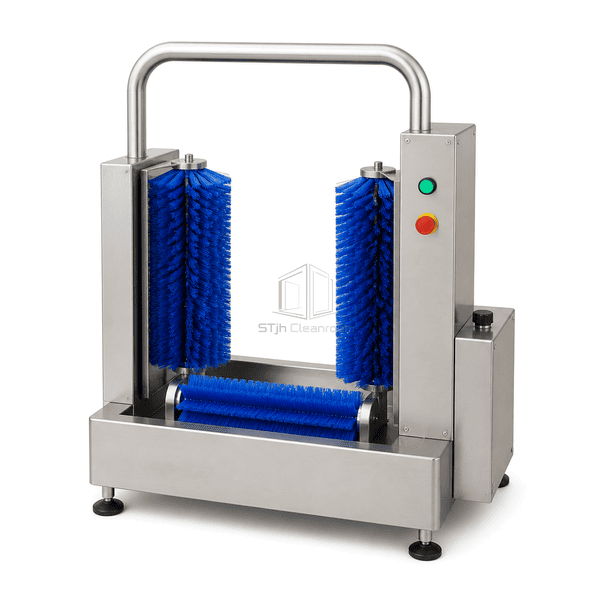
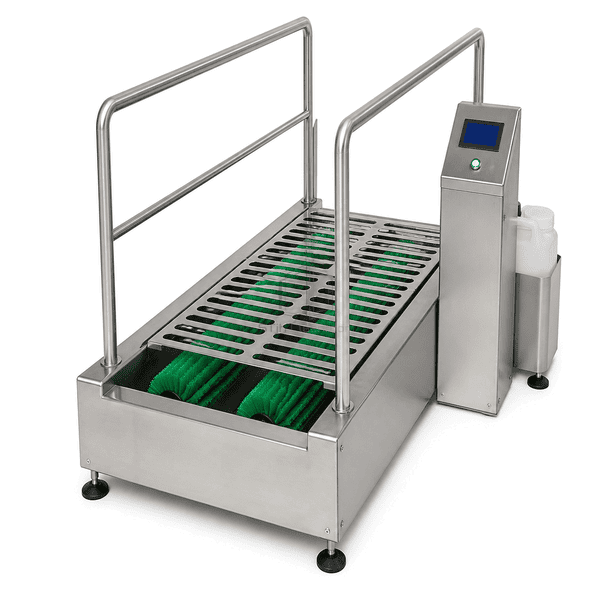
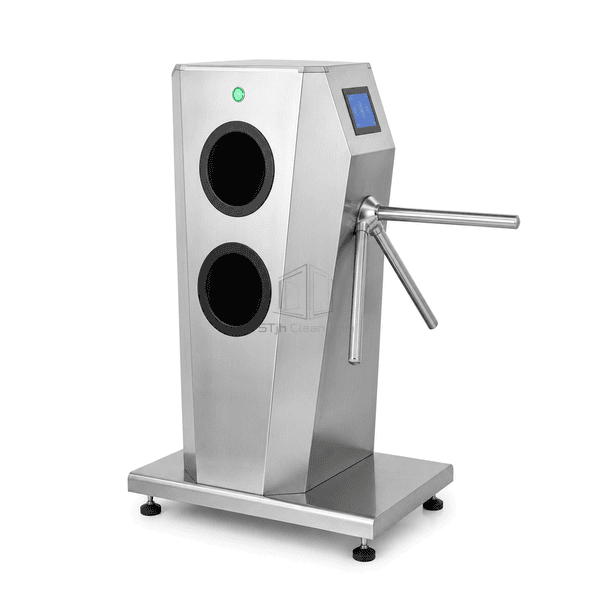
Coordinate hand and footwear treatment at production entrances. Compare dry and wet methods, station direction and controlled-entry features according to the hygiene sequence and moisture tolerance of the area.
Explore Products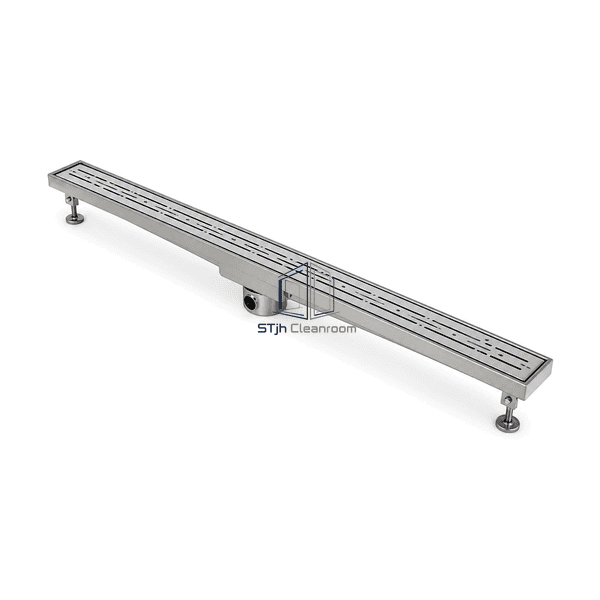
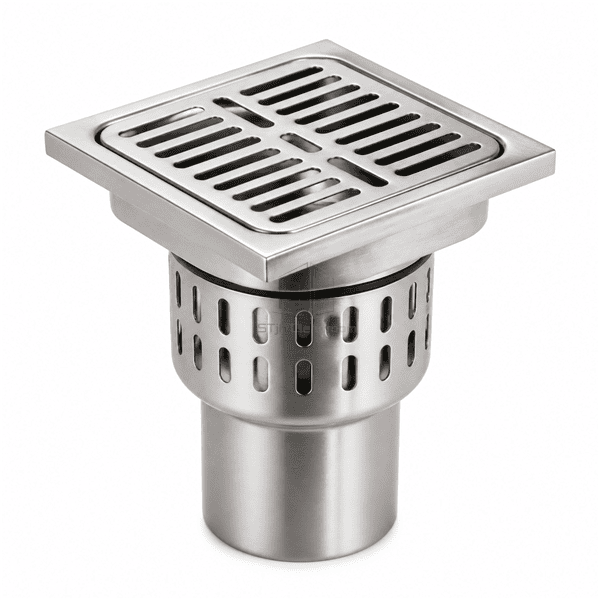
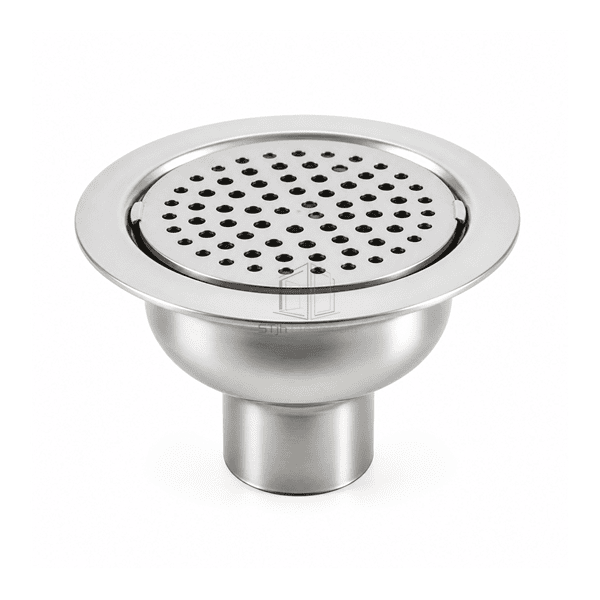
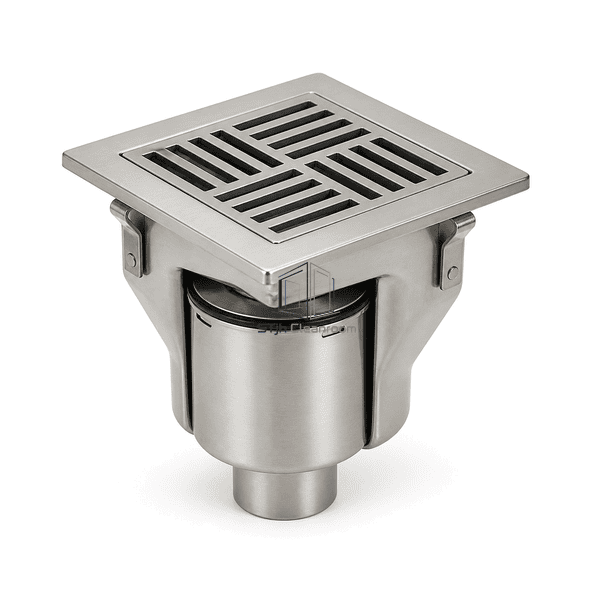
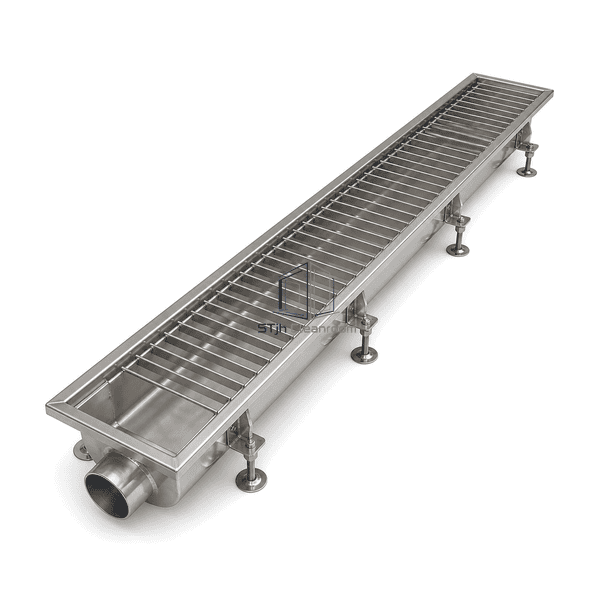
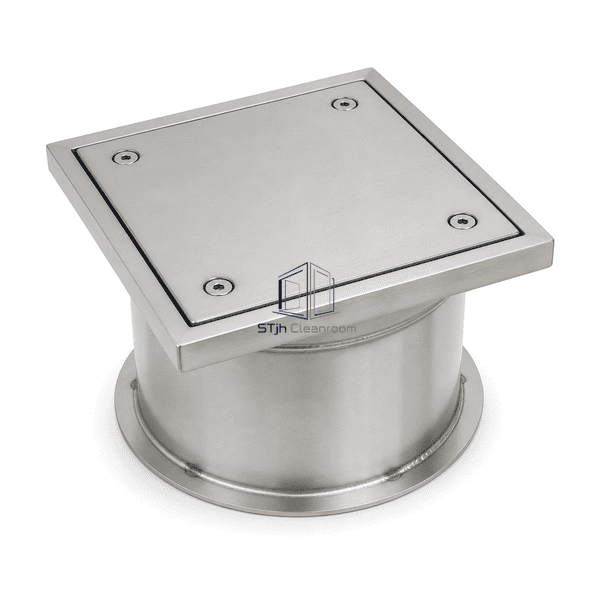
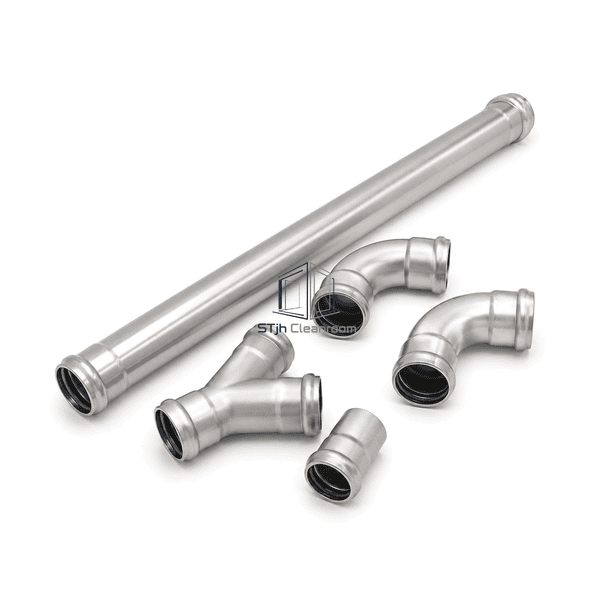
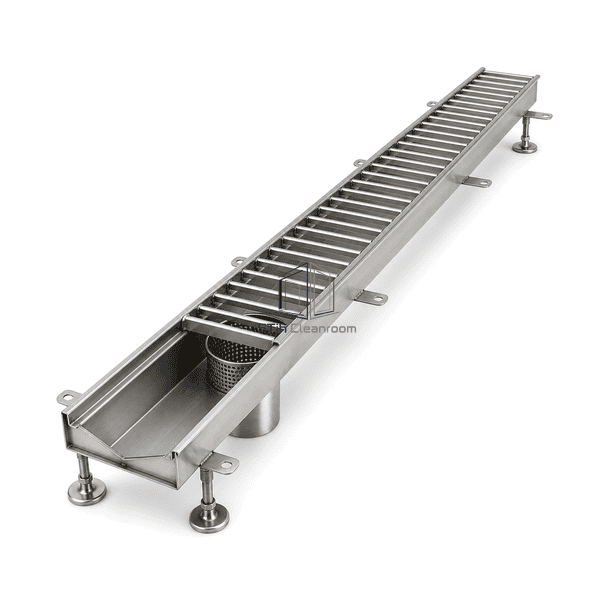
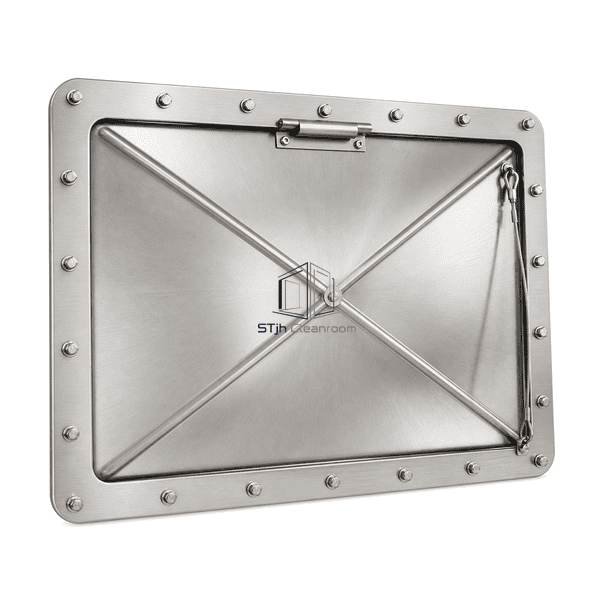
Manage wastewater with drains and piping suited to the floor layout and cleaning regime. Consider flow, trapped connections, cleanability and access rather than selecting solely by grate appearance.
Explore Products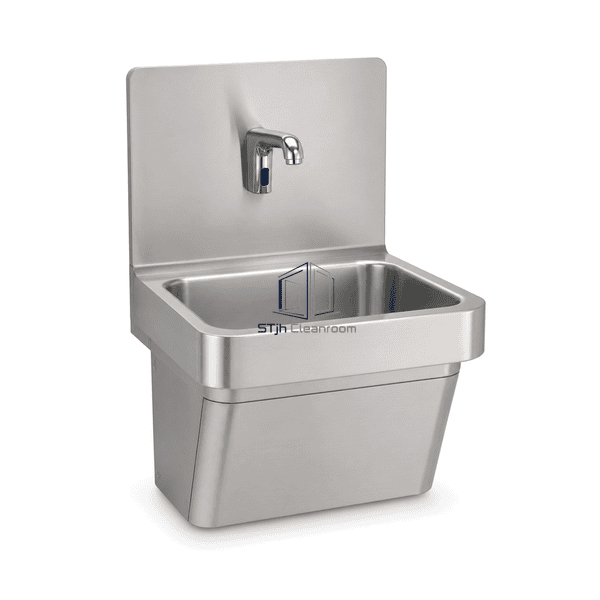
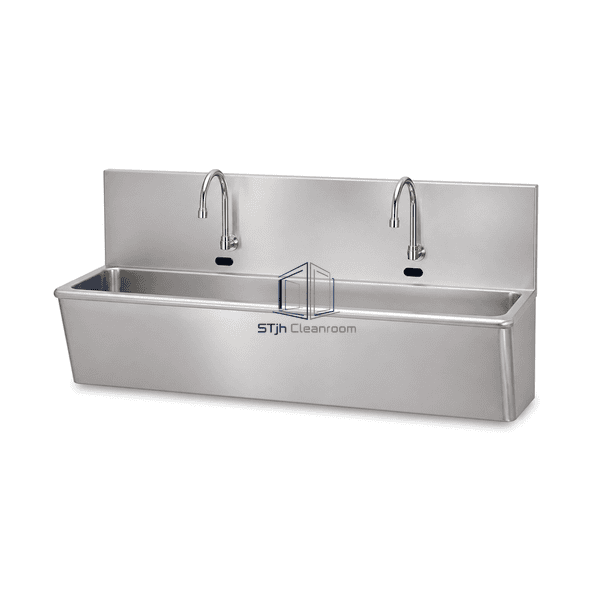
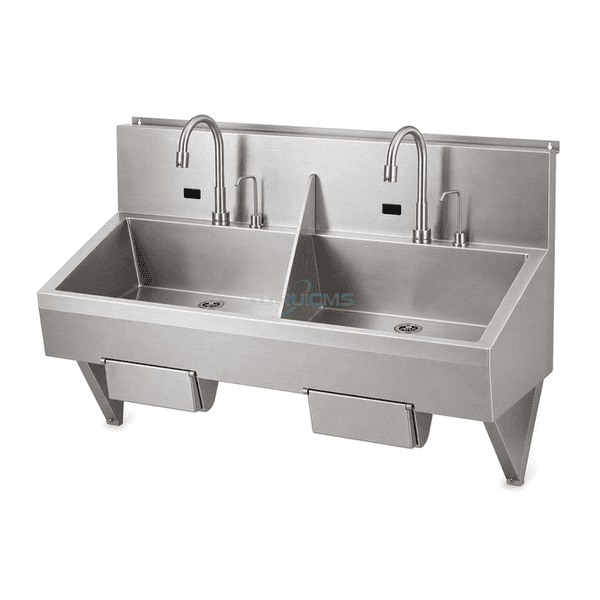
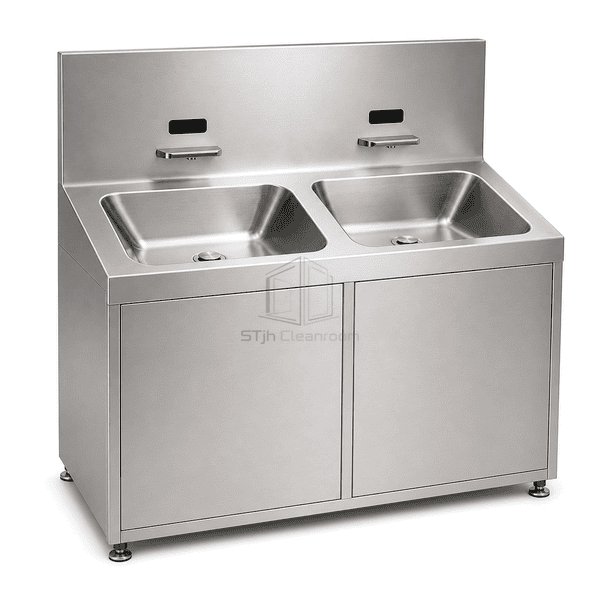
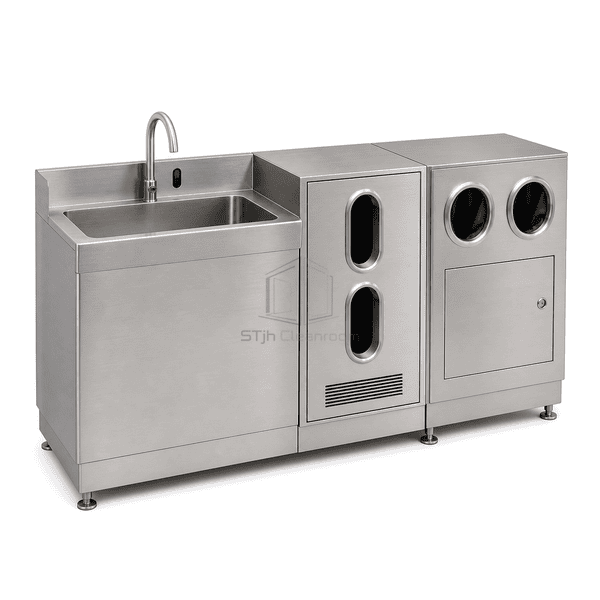
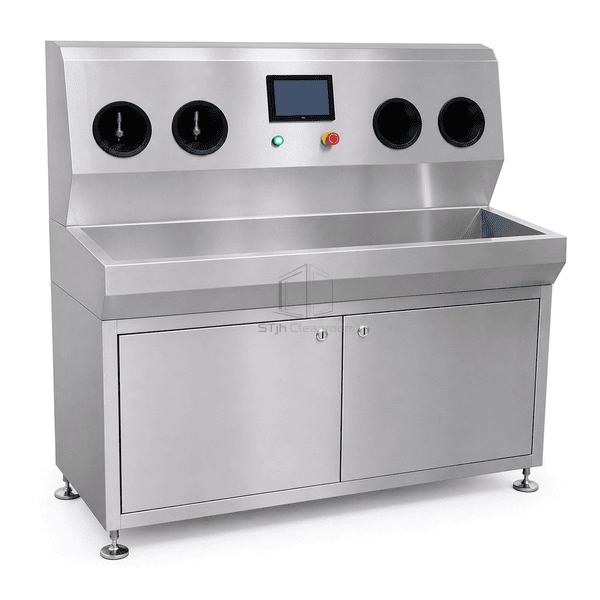
Provide washing points matched to hand-hygiene or surgical scrub procedures. Compare basin arrangement, touchless operation, available utilities and cleaning access for the intended users and location.
Explore Products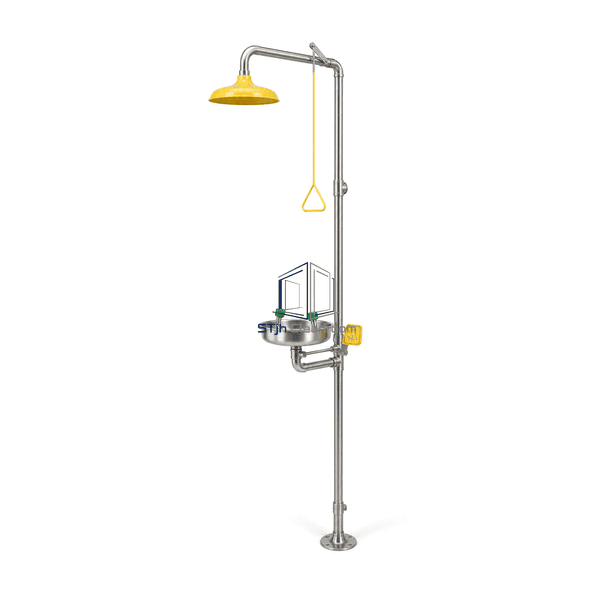
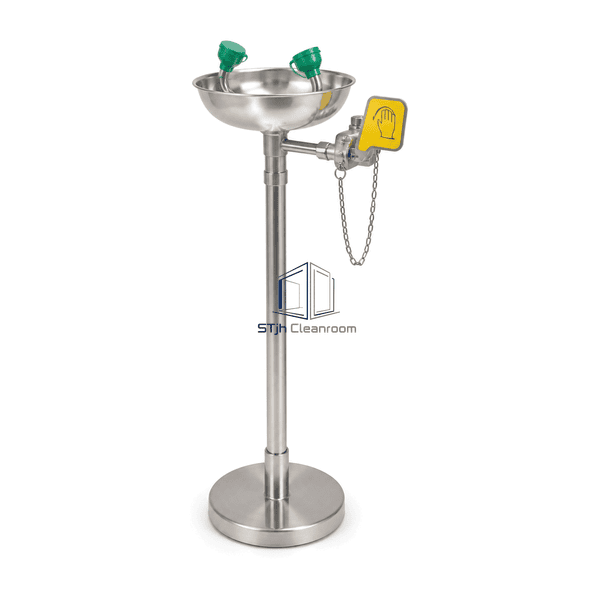
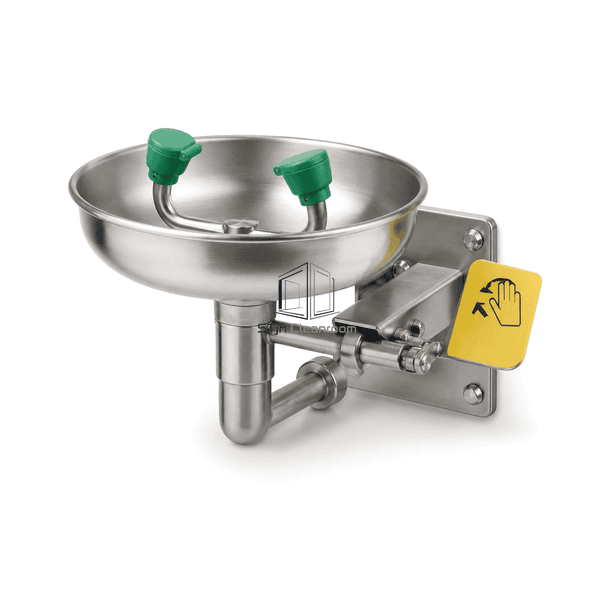
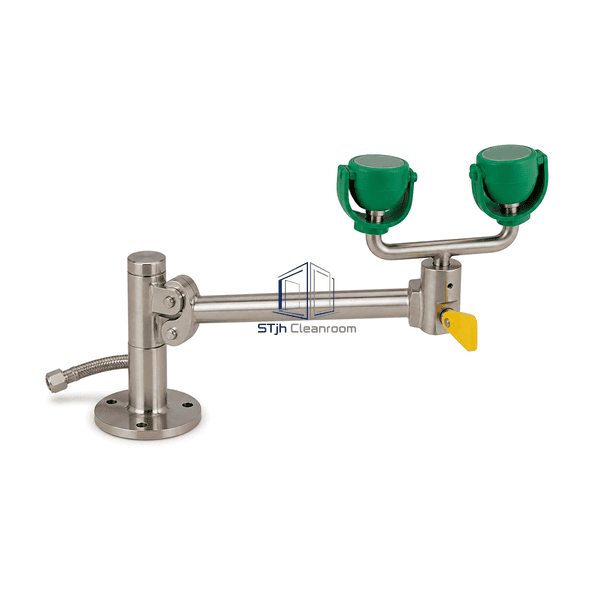
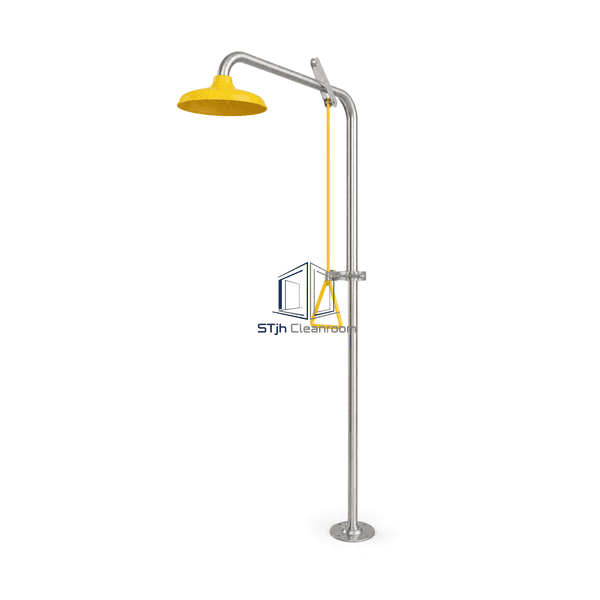
Select dedicated emergency flushing equipment for identified splash and exposure risks. Evaluate accessible placement, water conditions and mounting arrangement within the site's applicable safety requirements.
Explore Products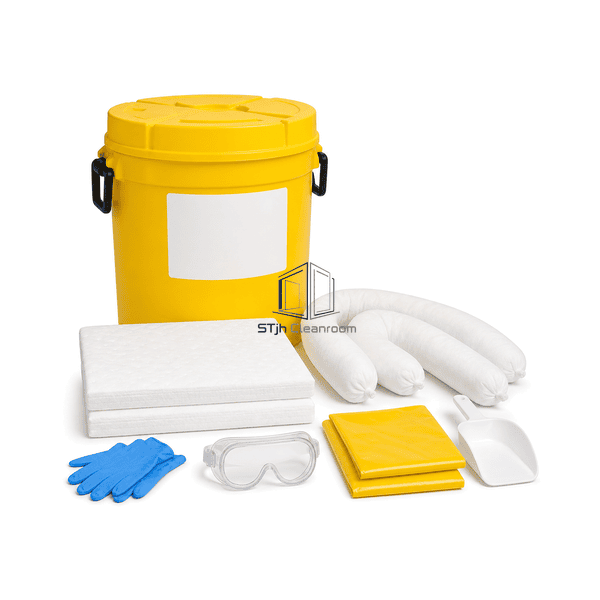
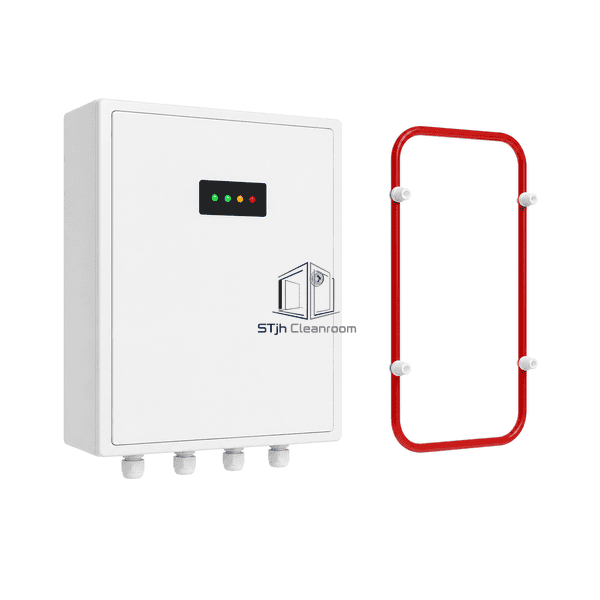
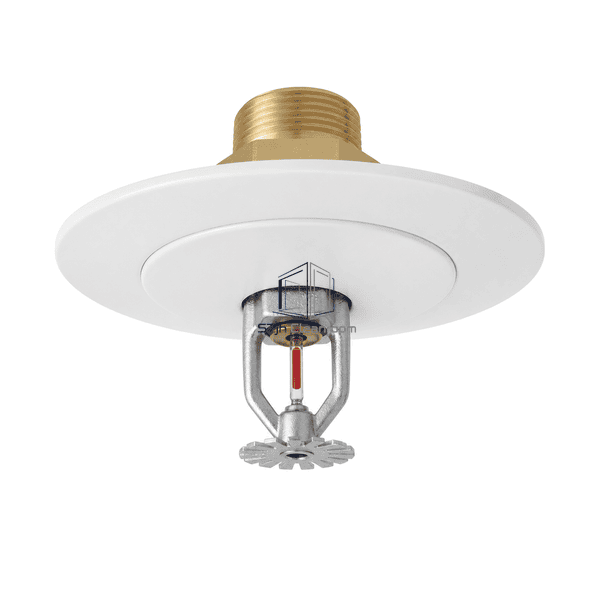
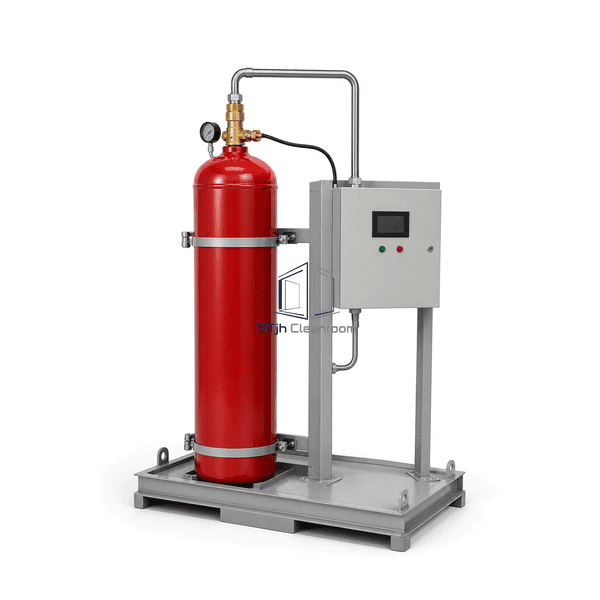
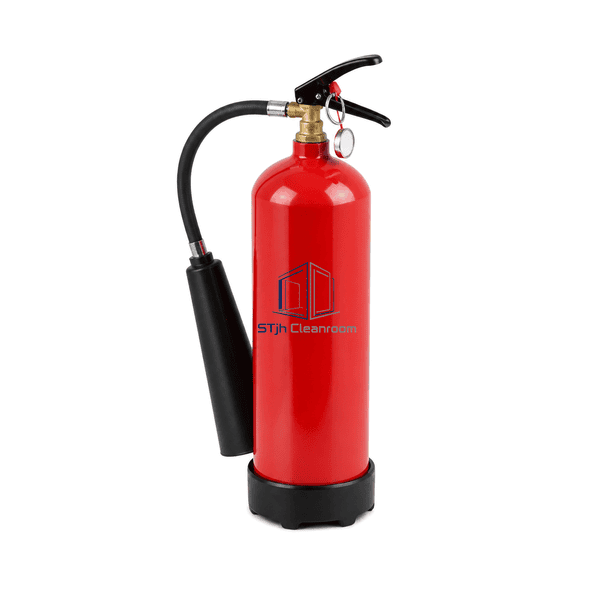
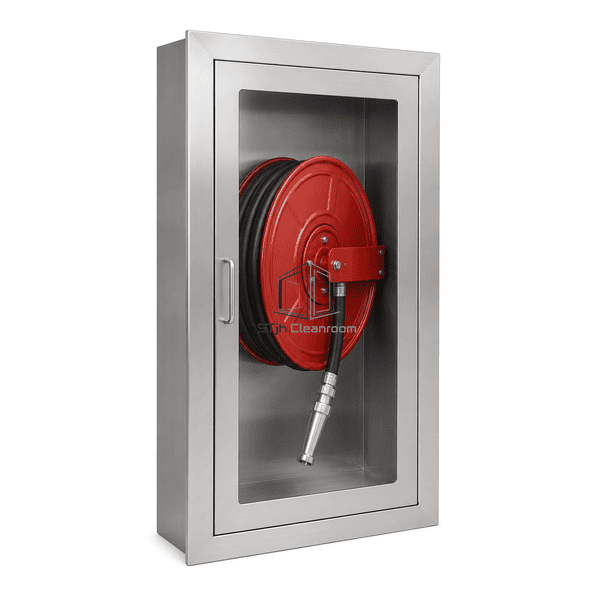
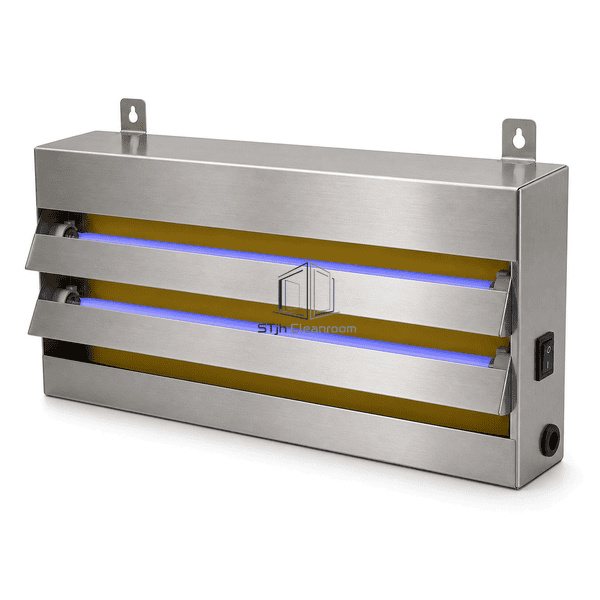
Address specific facility risks with spill, fire and pest-control products. Selection must follow the actual hazard and site safety design rather than treating every device as generally applicable.
Explore Products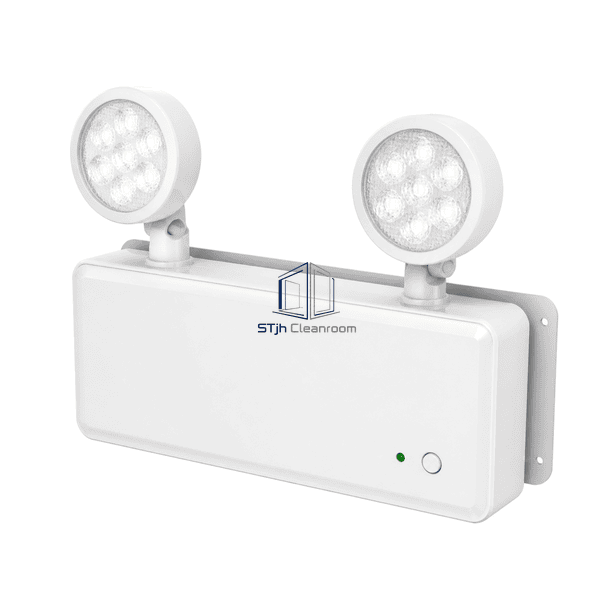
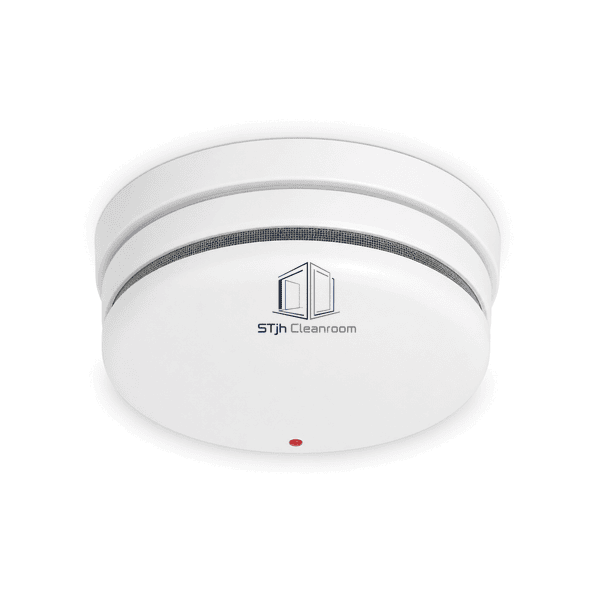
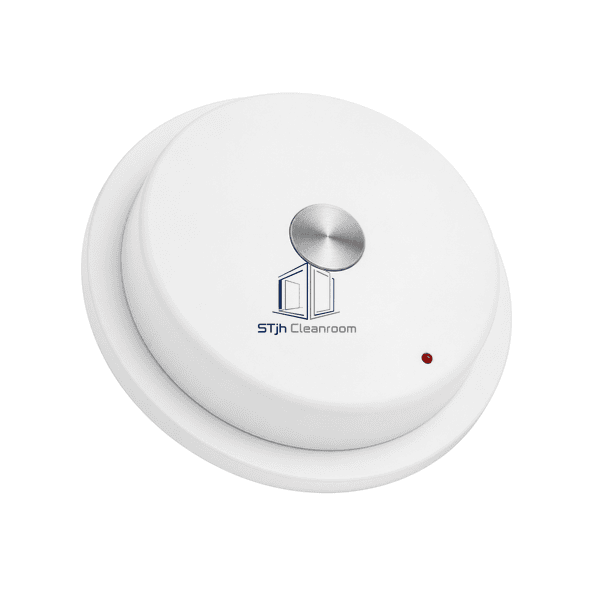
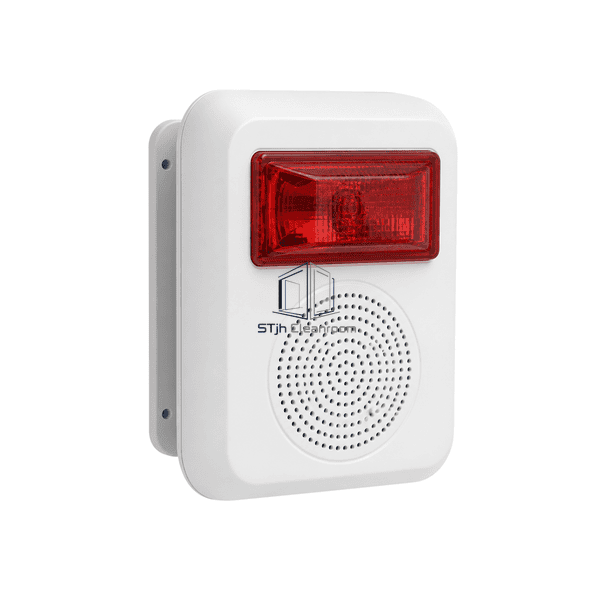
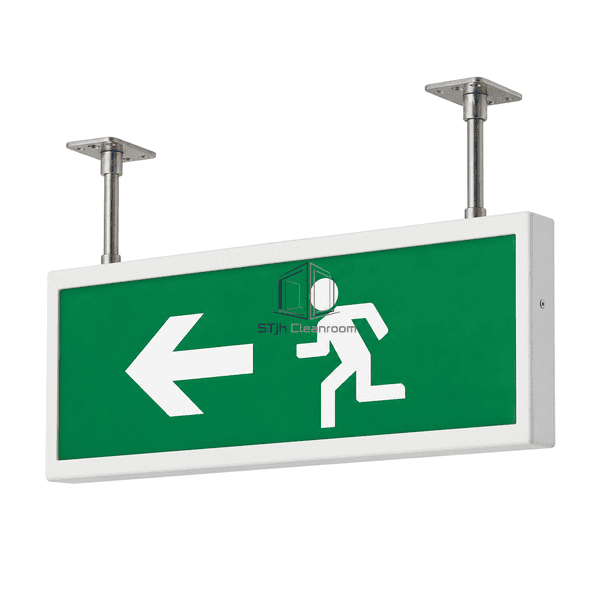
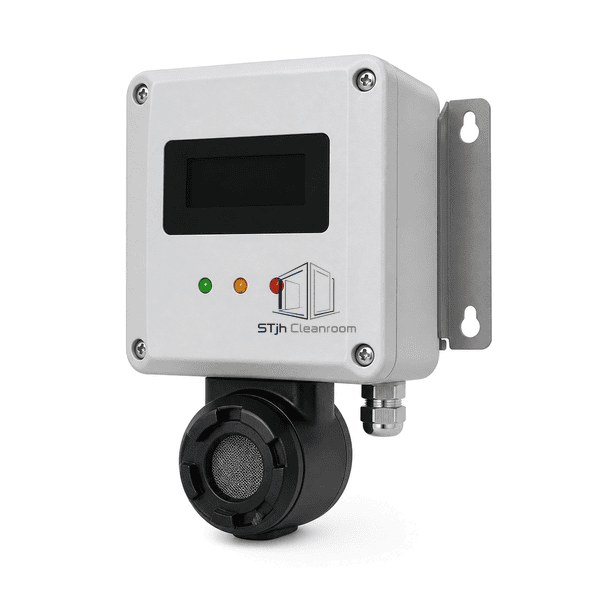
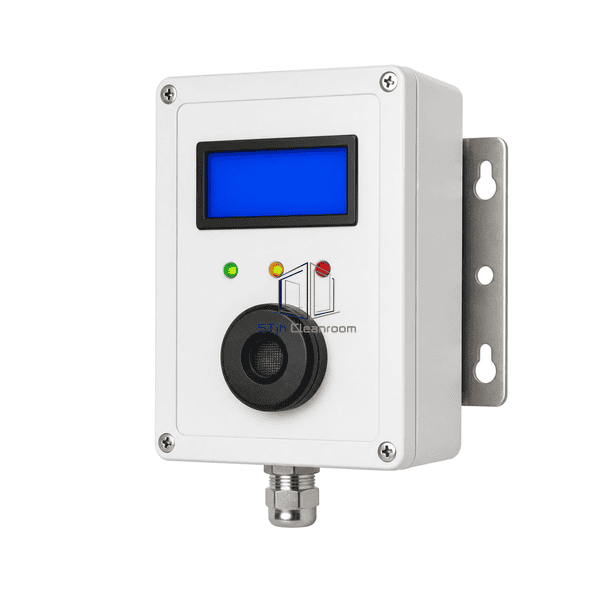
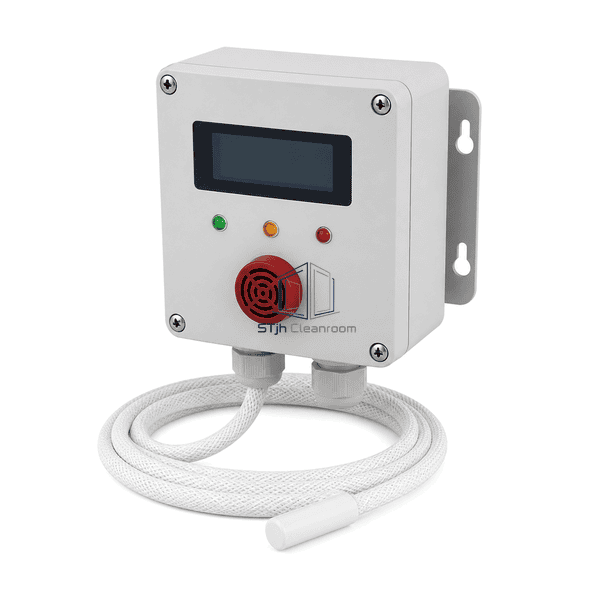
Support evacuation and hazard awareness using suitable lighting, alarms and detection. Specify the substance or event being detected, required warning functions and integration with the facility's emergency arrangements.
Explore ProductsPersonnel hygiene is most practical when equipment fits the movement through the facility. Entry direction, available space, footwear type and handwashing sequence all influence which station or combination of products belongs at a doorway.
Wet hygiene areas need more than a sink or washer. Drain location, cleanable surfaces and maintenance access affect daily use. Where a controlled area is intended to remain dry, the hygiene method and installation location must reflect that requirement.
Emergency equipment has a different role from routine hygiene. Eyewash stations, safety showers and detection systems must be selected for the specific hazards and installed as part of a qualified safety design. The product range helps consolidate purchasing without treating all safety devices as interchangeable.
Compare station layout, operating direction and access control around the required hand and footwear steps.
Coordinate the washing point, drainage, floor conditions and cleaning access to suit the wet-area layout.
Assess the hazard location, unobstructed route and suitable water supply when choosing an eyewash or safety shower.
Identify the actual gas, oxygen, chemical or fire scenario before selecting detectors and compatible warning equipment.
Coordinate hand and footwear hygiene where personnel move into designated production zones.
Select cleanable sinks and drainage products for the washing and cleaning operations performed there.
Provide hazard-appropriate emergency washing and detection equipment within the facility's safety design.
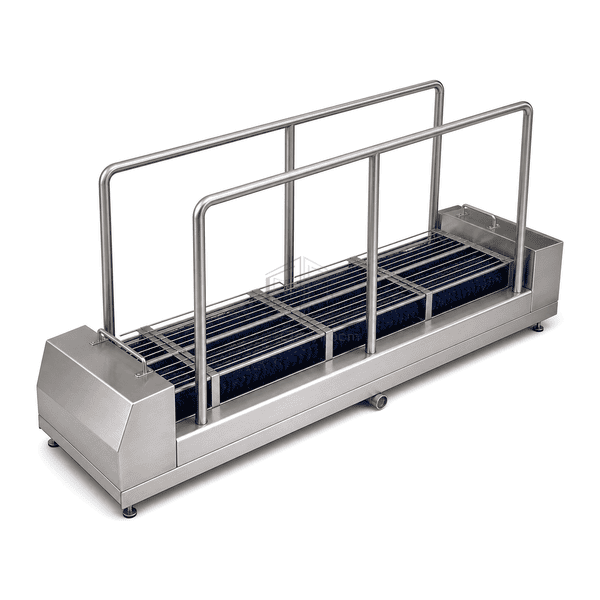
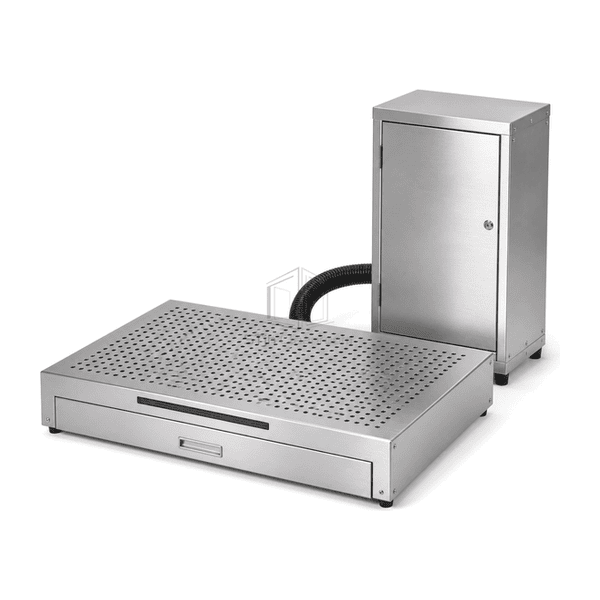
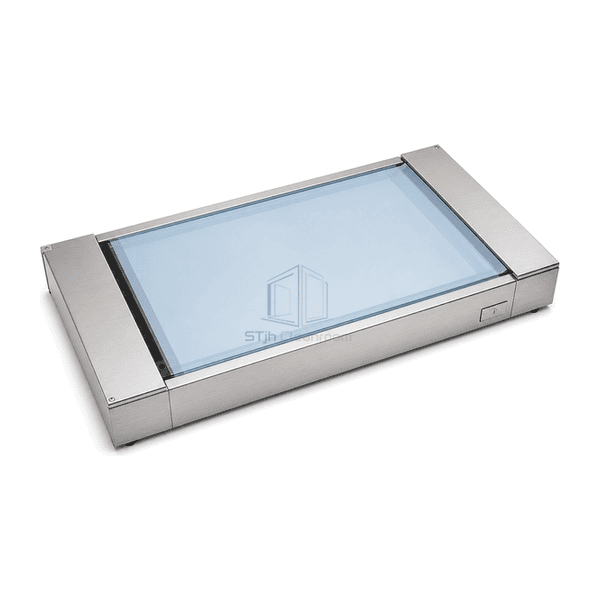
No products match your selection. Try another product type or a shorter search term.
No. Footwear contamination, floor conditions and the area's tolerance for moisture determine the method. Dry particle-control approaches and wet hygiene equipment serve different entry requirements.
It should not be assumed to provide the required emergency flushing function. Select dedicated equipment appropriate to the hazard, accessible location and water supply under the applicable safety requirements.
Provide the entrance dimensions, travel direction, approximate personnel flow, required hygiene sequence and utility connections. Note whether the station is intended for wet processing, gowning or another controlled area.
Share the entrance or workspace layout, routine hygiene steps and identified hazards. We can help organize suitable product options for your equipment quotation.