
 EnglishCurrent
 德语
德语 阿拉伯语
阿拉伯语 法语
法语 印尼语
印尼语 日语
日语 韩语
韩语 马来语
马来语 葡萄牙语
葡萄牙语 俄语
俄语 西班牙语
西班牙语 泰语
泰语 土耳其语
土耳其语 越南语
越南语

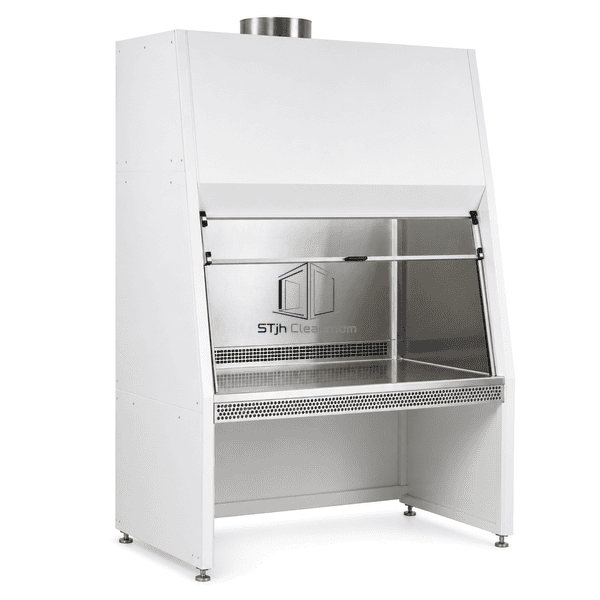
Laminar Flow and Containment Equipment
Class I Biological Safety Cabinet
An open-front ventilated cabinet that draws room air inward and filters the exhaust to protect personnel and the environment, but not the handled product.
- Inward Face Airflow
- HEPA-Filtered Exhaust
- Personnel and Environmental Protection
- Open-Front Access
Product Introduction
A Class I cabinet uses inward airflow through the front opening to keep aerosols and particles moving away from the operator. The contaminated air passes through an exhaust HEPA filter before discharge to the room or building exhaust system. Because unfiltered room air crosses the work surface, the cabinet does not protect the product from ambient contamination. The sash, inflow monitor and exhaust connection are configured for the intended laboratory use and installation.
Key Features
The exhaust HEPA stage retains particulate contamination before air discharge.
A sloped viewing sash improves visibility while limiting the working opening.
A removable work tray exposes the lower catch pan for cleaning.
Airflow and sash alarms warn when the designed access condition is disturbed.
Customer Product Concerns
The cabinet must protect the operator without being misrepresented as a sterile product-protection device.
Aerosols move toward the operator at an open laboratory bench.Inward face airflow carries them into the filtered cabinet exhaust path.
Users expect the cabinet to keep samples sterile.Clear application guidance states that room air crosses the work surface and product protection is not provided.
A raised sash weakens capture at the opening.A sash-position alarm identifies operation outside the selected access height.
Debris accumulates beneath a fixed work pan.Lift-out work sections expose the stainless lower collection area.
Typical Applications
Aerosol-generating laboratory procedures not requiring sterile product protectionAnimal bedding disposalSample opening under inward captureEquipment enclosure with filtered exhaust
Technical Parameters
Typical configurable construction ranges for a Class I biological safety cabinet are listed below.
| Core Material | SUS304 work-zone liner with powder-coated steel outer shell and mineral-wool acoustic exhaust enclosure |
|---|---|
| Panel Thickness | 30-50 mm double-skin cabinet and exhaust sections |
| Effective Width | 900-1800 mm clear working width |
| Maximum Length | Up to 2200 mm overall cabinet height |
| Steel Facing Thickness | 1.0-1.5 mm SUS304 work-zone liner; 0.8-1.2 mm outer steel |
| Core Density | 80-120 kg/m³ mineral-wool acoustic infill |
| Thermal Conductivity | 0.035-0.045 W/(m·K) for the acoustic infill |
| Surface Finish | Brushed SUS304 work zone with low-sheen white powder-coated exterior |
| Joint Type | Welded inner liner with gasketed exhaust-filter housing and adjustable sash tracks |
| Customization | Available based on the intended application and operating environment. |
Available Options
Room exhaust or hard-duct connectionManual or motorized sashStainless or coated-steel exteriorService taps and electrical outlets
Planning a Class I Biological Safety Cabinet specification?
Send us your dimensions, installation conditions, performance targets and required surface finish.