 EnglishCurrent
 德语
德语 阿拉伯语
阿拉伯语 法语
法语 印尼语
印尼语 日语
日语 韩语
韩语 马来语
马来语 葡萄牙语
葡萄牙语 俄语
俄语 西班牙语
西班牙语 泰语
泰语 土耳其语
土耳其语 越南语
越南语

Laminar Flow and Containment Equipment
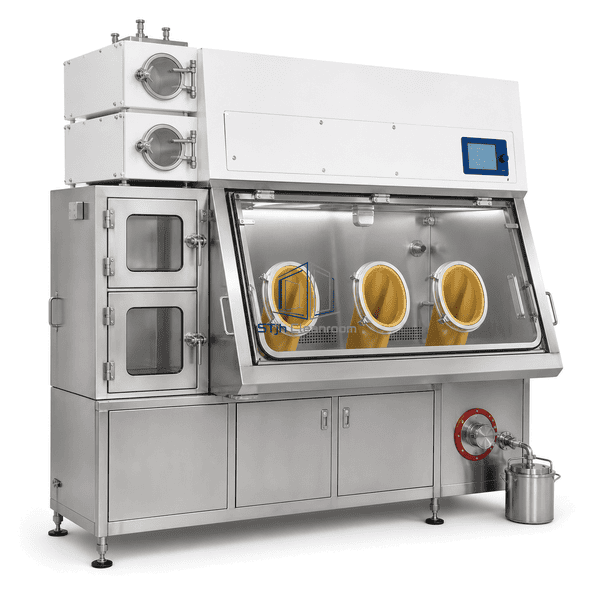
Cytotoxic Containment Isolator
A negative-pressure glovebox that contains cytotoxic and other hazardous drug preparation through sealed manipulation, transfer and waste paths.
- Negative-Pressure Hazardous Drug Chamber
- Closed Glove Manipulation
- Staged Exhaust Filtration
- Contained Waste Egress
Product Introduction
The cytotoxic isolator encloses hazardous drug manipulation inside a negative-pressure stainless chamber. Glove ports provide operator access, while an interlocked transfer chamber introduces materials without opening the main work zone. Exhaust air passes through staged high-efficiency filtration, and sharps, liquid and solid waste can leave through dedicated closed connections. The pressure and airflow arrangement prioritize personnel and environmental containment while maintaining a clean work zone for the product.
Key Features
Glove manipulation separates the operator from hazardous drug aerosols and residues.
Staged exhaust filters provide redundant particulate retention.
A sealed transfer chamber limits direct room-to-work-zone openings.
Dedicated sharps and bag-out interfaces keep waste within closed routes.
Customer Product Concerns
Hazardous drug work requires the work chamber, transfer route and waste system to maintain containment through the complete compounding cycle.
Waste containers leave the chamber through the clean supply route.Separate sharps, liquid and bag-out ports create dedicated egress paths.
A glove puncture weakens the primary barrier.Replaceable glove rings and integrity-test connections support routine barrier management.
Filter service exposes concentrated hazardous residue.Contained filter-change housings isolate loaded exhaust stages.
Pressure becomes positive during exhaust failure.Pressure monitoring and exhaust interlocks alarm or stop operation when containment is lost.
Typical Applications
Cytotoxic drug compoundingAntineoplastic preparationHazardous sterile admixturesOncology pharmacy manipulation
Technical Parameters
Typical configurable construction ranges for a cytotoxic containment isolator are listed below.
| Core Material | Welded SUS316L negative-pressure chamber with laminated glass, CSM gloves and staged safe-change exhaust filters |
|---|---|
| Panel Thickness | 50-100 mm double-skin chamber and exhaust sections |
| Effective Width | 1200-3000 mm usable compounding width |
| Maximum Length | Up to 4500 mm overall isolator length |
| Steel Facing Thickness | 2.0-3.0 mm SUS316L chamber; 1.2-1.5 mm service skins |
| Core Density | Approximately 8000 kg/m³ for SUS316L chamber material |
| Thermal Conductivity | 14-16 W/(m·K) for austenitic stainless steel |
| Surface Finish | Electropolished SUS316L interior with welded spill-retaining lower pan |
| Joint Type | Pressure-tight welded chamber with sealed glove rings, gasketed transfer hatch and contained exhaust-filter collars |
| Customization | Available based on the intended application and operating environment. |
Available Options
Two to four glove positionsSharps and liquid waste portsBag-out solid-waste systemIntegrated glove integrity tester
Planning a Cytotoxic Containment Isolator specification?
Send us your dimensions, installation conditions, performance targets and required surface finish.