
 EnglishCurrent
 德语
德语 阿拉伯语
阿拉伯语 法语
法语 印尼语
印尼语 日语
日语 韩语
韩语 马来语
马来语 葡萄牙语
葡萄牙语 俄语
俄语 西班牙语
西班牙语 泰语
泰语 土耳其语
土耳其语 越南语
越南语

Cleanroom Flooring Systems
Antistatic Epoxy Flooring
A seamless epoxy system with conductive components and earth connections that limits static build-up across controlled production floors.
- Static Build-Up Control
- Grounded Conductive Primer
- Seamless Hygienic Surface
- Custom Electrical Range
Product Introduction
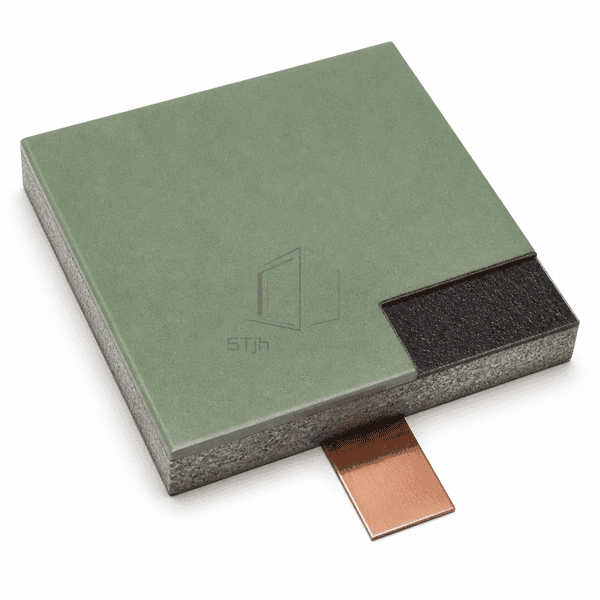
Antistatic epoxy flooring adds electrically conductive pigments or fibers to a smooth epoxy wearing layer installed over a conductive primer and planned earth connections. Instead of allowing charge to accumulate on an insulating resin surface, the complete build-up provides a controlled path toward ground. The system retains the cleanability and chemical resistance expected from seamless epoxy while supporting areas where powder transfer, packaging equipment or personnel movement can generate nuisance static. Electrical performance is verified on the installed floor, not inferred from resin alone.
Key Features
Copper grounding points connect the conductive primer to the building earthing network.
The smooth, impermeable epoxy surface avoids the open seams associated with antistatic tiles.
System resistance can be selected for the process risk and checked after cure with the specified test method.
Customer Product Concerns
Static control depends on a complete path from the wearing surface to earth; a conductive resin without coordinated grounding cannot provide consistent performance.
Personnel and carts build charge on a conventional insulating epoxy floor.Conductive filler within the wearing layer transfers charge to the grounded primer below.
Antistatic tile joints collect residue and can separate under wheeled traffic.The poured epoxy field is seamless and bonded continuously to the prepared substrate.
Resistance varies because grounding strips are sparse or disconnected.A planned copper earth network and conductive primer create multiple verified routes to ground.
An aggressive cleaning method changes surface resistance over time.The maintenance plan uses compatible cleaners and periodic electrical measurements to track the installed surface.
Typical Applications
Pharmaceutical powder handling roomsCleanroom packaging linesCosmetic production areasControlled dispensing roomsStatic-sensitive laboratories
Technical Parameters
Typical data for a self-smoothing antistatic epoxy floor with conductive primer and earth connections are shown below.
| Core Material | Solvent-free epoxy resin with conductive carbon additives and fine quartz filler |
|---|---|
| Panel Thickness | 1.5–2.5 mm nominal antistatic system thickness |
| Effective Width | Typically 2000–4000 mm controlled placement bay width |
| Maximum Length | Typically up to 15000 mm continuous field between active slab joints |
| Steel Facing Thickness | 0 mm; electrical control is provided by resin additives, not steel facing |
| Core Density | Approximately 1450–1650 kg/m³ for the mixed conductive epoxy |
| Thermal Conductivity | Typically 0.30–0.45 W/(m·K) for the cured conductive epoxy layer |
| Surface Finish | Smooth gloss or light-textured pigmented finish with visible conductive fibers possible |
| Joint Type | Earth strip and conductive-primer network beneath a seamless epoxy wearing layer; target resistance to ground below 1 × 10⁹ Ω |
| Customization | Available based on the intended application and operating environment. |
Available Options
Smooth self-leveling or lightly textured finishAlternative resistance ranges for process needsIntegral coves and grounded wall returnsStandard static-control color selection
Planning a Antistatic Epoxy Flooring specification?
Send us your dimensions, installation conditions, performance targets and required surface finish.