
 EnglishCurrent
 德语
德语 阿拉伯语
阿拉伯语 法语
法语 印尼语
印尼语 日语
日语 韩语
韩语 马来语
马来语 葡萄牙语
葡萄牙语 俄语
俄语 西班牙语
西班牙语 泰语
泰语 土耳其语
土耳其语 越南语
越南语

Cleanroom Air Distribution Systems
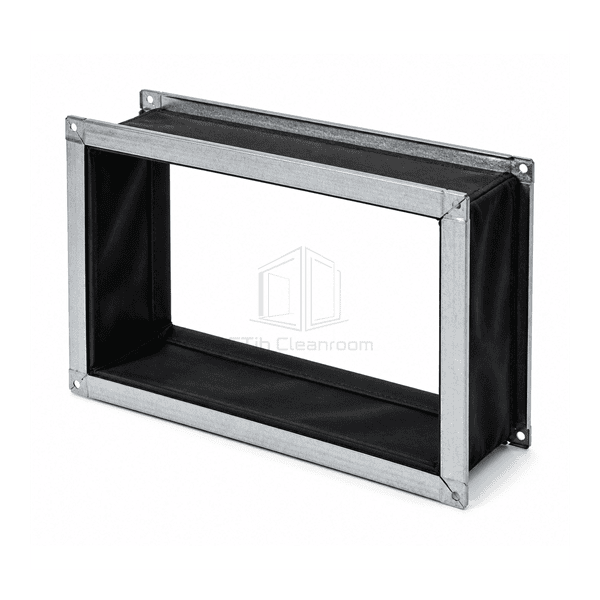
Neoprene Flexible Duct Connector
An airtight metal-to-fabric-to-metal connector that interrupts vibration transmission between fans, air-handling equipment and rigid ductwork.
- Vibration-Isolating Fabric
- Airtight Double-Lock Seams
- Galvanized Metal Edges
- Oil and Moisture Resistant
Product Introduction
A neoprene flexible duct connector places a coated woven fabric strip between two galvanized sheet-metal edges. One metal edge is formed into the equipment transition and the other into the connected duct, leaving the fabric free to flex without carrying rigid vibration. The polychloroprene-coated fiberglass fabric resists moisture, weathering and many oils encountered in plant rooms. Factory double-lock seams hold the fabric evenly and avoid exposed punctures through the active flexible width.
Key Features
Woven fiberglass reinforcement controls fabric stretch under alternating positive and negative pressure.
Factory double-lock seams capture the coated fabric without field stitching or loose fasteners.
Galvanized metal edges integrate directly into rectangular or round sheet-metal transitions.
Customer Product Concerns
A flexible connector must move freely while remaining airtight; excess tension, sag or misalignment can turn the fabric into a load-bearing duct component.
Fan vibration travels through rigid ductwork into occupied clean spaces.The reinforced elastomer fabric interrupts the metal path adjacent to the equipment.
An undersized fabric width is pulled tight when the fan starts.Adequate exposed width and neutral alignment preserve movement in every operating mode.
Field screws puncture the active fabric and create leakage points.Factory metal-to-fabric lock seams keep fasteners outside the flexible center section.
Oil mist or humid air degrades a general-purpose canvas strip.Polychloroprene-coated fiberglass provides stronger moisture and oil resistance for plant-room duty.
Typical Applications
Air-handling-unit connectionsSupply and exhaust fan outletsFan-coil and terminal-unit connectionsVibration-isolated plenumsPump-room and laboratory exhaust equipment
Technical Parameters
Typical construction data for factory-seamed neoprene flexible duct connector are listed below.
| Core Material | Woven fiberglass fabric double-coated with polychloroprene |
|---|---|
| Panel Thickness | 0.60–0.75 mm coated fabric |
| Effective Width | 75–150 mm exposed flexible fabric width |
| Maximum Length | 30000 mm supplied coil length |
| Steel Facing Thickness | 0.45–0.60 mm galvanized steel edge strips |
| Core Density | Approximately 1000–1100 kg/m³ polychloroprene compound |
| Thermal Conductivity | Approximately 0.20–0.25 W/(m·K) for coated elastomer fabric |
| Surface Finish | Black neoprene coating with bright galvanized steel edges |
| Joint Type | Factory double-lock metal-to-fabric seam; formed or flanged metal duct connection |
| Customization | Available based on the intended application and operating environment. |
Available Options
Neoprene, silicone or PTFE-coated fabricGalvanized, aluminum or stainless metal edges75–150 mm active fabric widthStraight coil or prefabricated rectangular connector
Planning a Neoprene Flexible Duct Connector specification?
Send us your dimensions, installation conditions, performance targets and required surface finish.