 EnglishCurrent
 德语
德语 阿拉伯语
阿拉伯语 法语
法语 印尼语
印尼语 日语
日语 韩语
韩语 马来语
马来语 葡萄牙语
葡萄牙语 俄语
俄语 西班牙语
西班牙语 泰语
泰语 土耳其语
土耳其语 越南语
越南语

Air Filters and Chemical Filtration
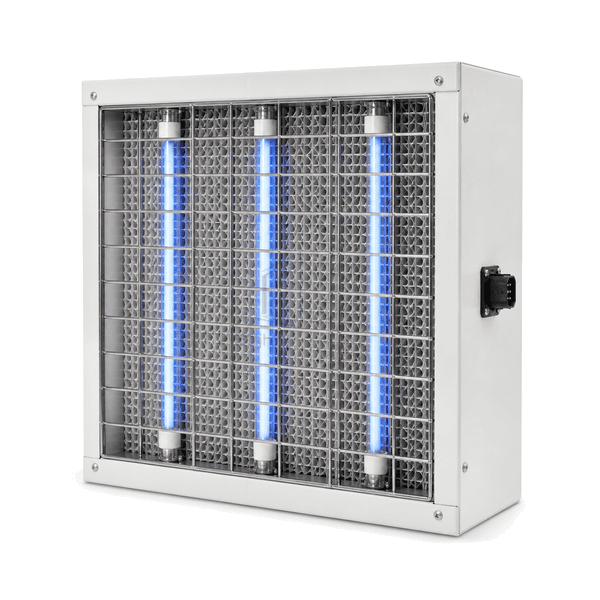
Photocatalytic Oxidation Filter Module
A UV-A illuminated titanium-dioxide catalyst module that oxidizes selected low-concentration organic vapours and odours in recirculating air.
- TiO2 Catalyst Surface
- UV-A Activation
- Low-Level VOC Treatment
- Serviceable Lamp Module
Product Introduction
The photocatalytic oxidation module combines UV-A lamps with a high-area honeycomb or mesh substrate coated in titanium dioxide. When illuminated, the catalyst generates reactive surface species that oxidize compatible organic molecules passing through the module. The rigid metal cassette protects the catalyst, maintains lamp spacing and slides into a dedicated air-treatment housing. Particle prefiltration keeps dust from shading the catalytic surface, while downstream adsorption can capture residual intermediates in demanding applications.
Key Features
Open honeycomb geometry exposes catalyst area while maintaining moderate pressure loss.
Removable lamp and catalyst sections can be serviced separately.
A metal safety screen shields the illuminated elements from accidental contact.
Customer Product Concerns
PCO performance depends on light intensity, catalyst cleanliness and contaminant residence time rather than filter thickness alone.
Dust coats the catalyst and blocks UV light from the active surface.An upstream fine filter protects the catalyst and extends the cleaning interval.
Air crosses the module too quickly for meaningful oxidation.Catalyst depth, lamp power and face velocity are matched to the intended contaminant load.
Lamp output declines while the system still appears operational.Accessible lamp racks and operating-hour monitoring support scheduled replacement.
Partial oxidation creates intermediate compounds downstream.A polishing carbon stage can adsorb residual vapours after the photocatalytic section.
Typical Applications
Laboratory recirculation unitsHealthcare odour reductionOffice and control-room air cleanersFood process support areasLow-concentration VOC polishing
Technical Parameters
Typical construction ranges for a duct-mounted photocatalytic oxidation module are shown below.
| Core Material | Titanium-dioxide-coated aluminum honeycomb with UV-A lamp array |
|---|---|
| Panel Thickness | 100–250 mm catalyst and lamp module depth |
| Effective Width | 300–610 mm nominal module width |
| Maximum Length | Up to 1220 mm module height or lamp length |
| Steel Facing Thickness | 0.8–1.2 mm stainless or powder-coated steel cassette |
| Core Density | 30–80 kg/m³ apparent density of the coated open-cell catalyst |
| Thermal Conductivity | 120–200 W/(m·K) for the aluminum catalyst substrate |
| Surface Finish | White powder-coated frame with bonded titanium-dioxide catalyst coating |
| Joint Type | Slide-in metal cassette with keyed lamp connector and gasketed housing flange |
| Customization | Available based on the intended application and operating environment. |
Available Options
Honeycomb or expanded-mesh catalystSingle or multiple UV-A lampsUpstream particle prefilterDownstream activated-carbon polishing stage
Planning a Photocatalytic Oxidation Filter Module specification?
Send us your dimensions, installation conditions, performance targets and required surface finish.