 İngilizce
 Almanca
 Arapça
 Fransızca
 Endonezya dilinde
 Japonca
 Korece
 Malay dilinde
 Portekizce
 Rusça
Rusça İspanyolca
 Taylandca
 TürkçeCurrent
 Vietnamca
One treatment method is expected to suit every material.
Compare heat, moisture, oxidizing chemicals and exposure sensitivity before choosing equipment for each load or surface.


Match microbial-control equipment to what you need to treat: room surfaces, enclosed equipment, reusable items or heat-tolerant loads. Explore hydrogen peroxide systems, UV equipment, sterilizers and cleaning chemicals with attention to material compatibility and process conditions. We help you compare the available approaches so your purchase supports a defined cleaning, disinfection or sterilization process rather than an unsuitable one-size-fits-all solution.
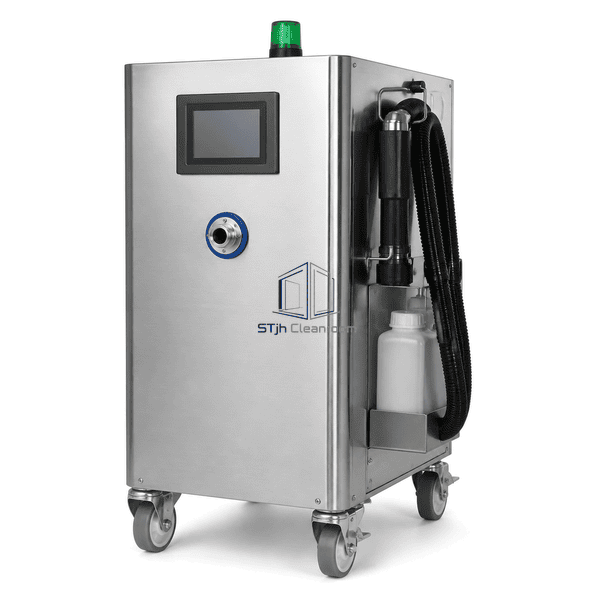
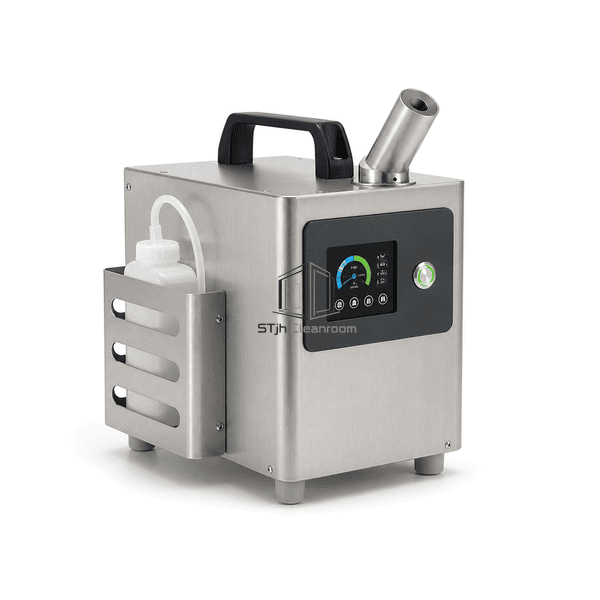
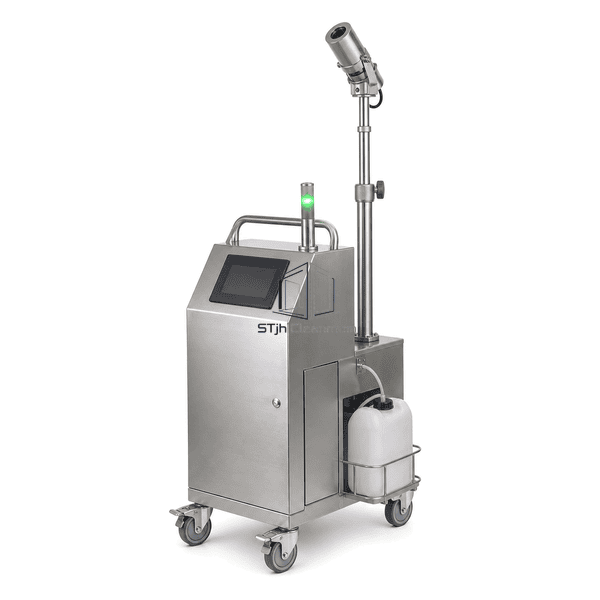
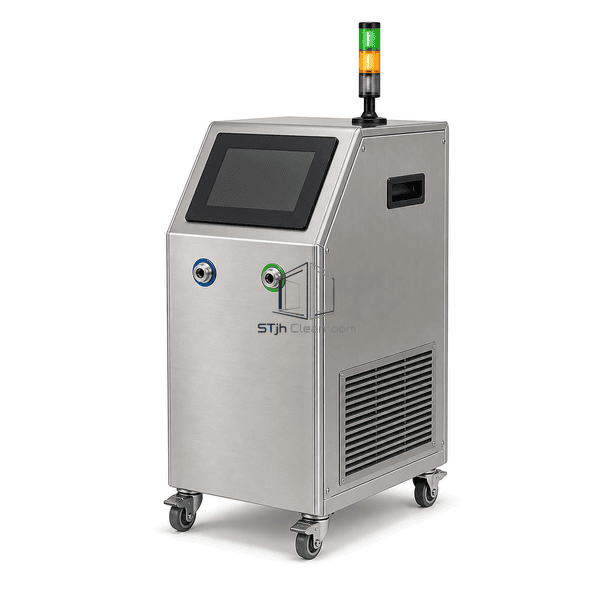
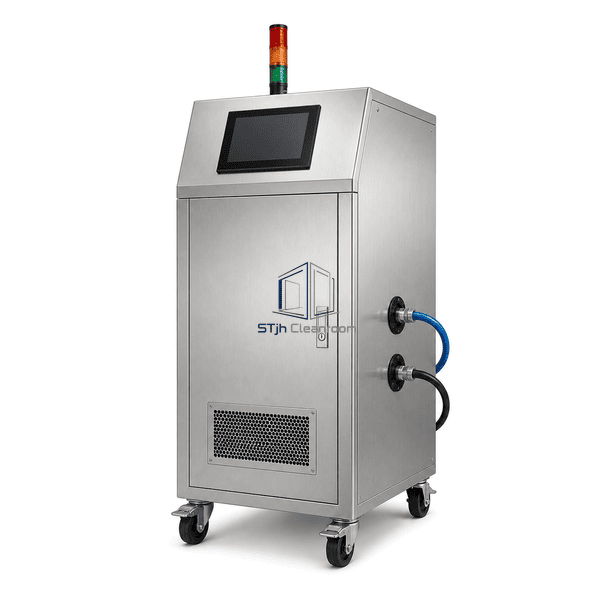
Compare vapor, fog and gas treatment equipment for defined enclosure applications. Selection must address distribution, material compatibility, containment, aeration and safe operation for the chosen chemical process.
Explore Products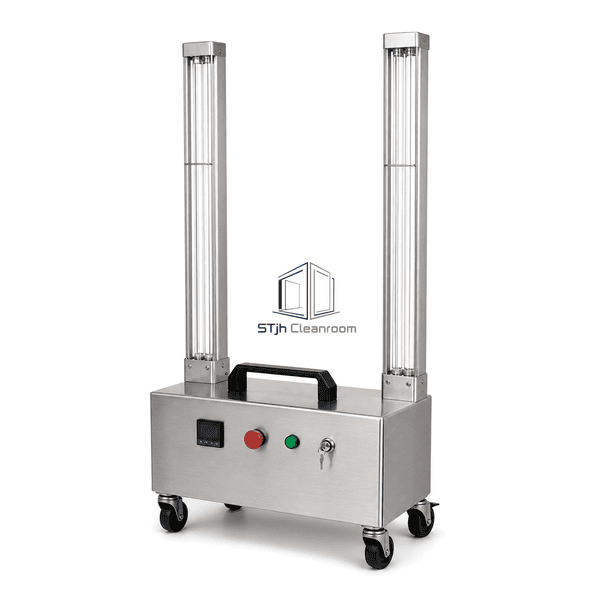
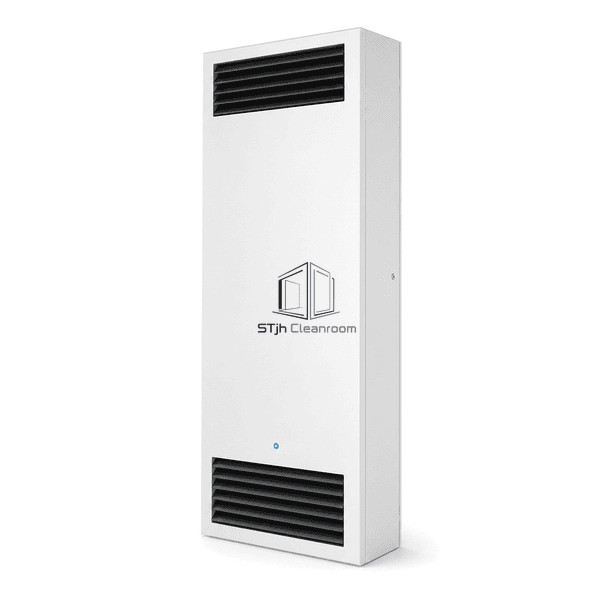
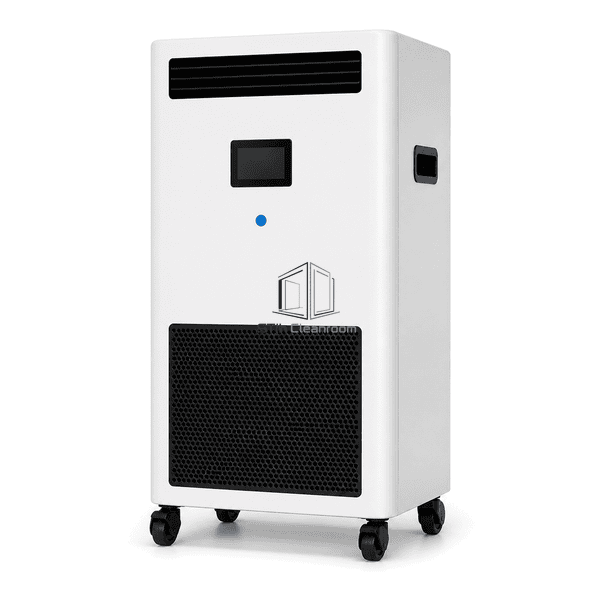
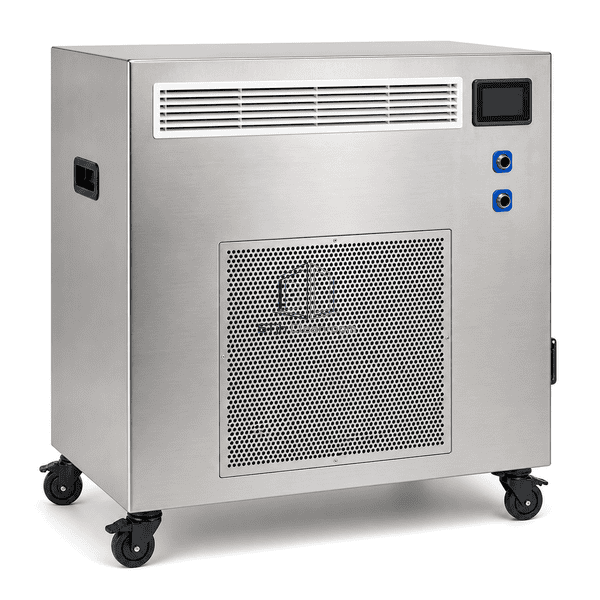
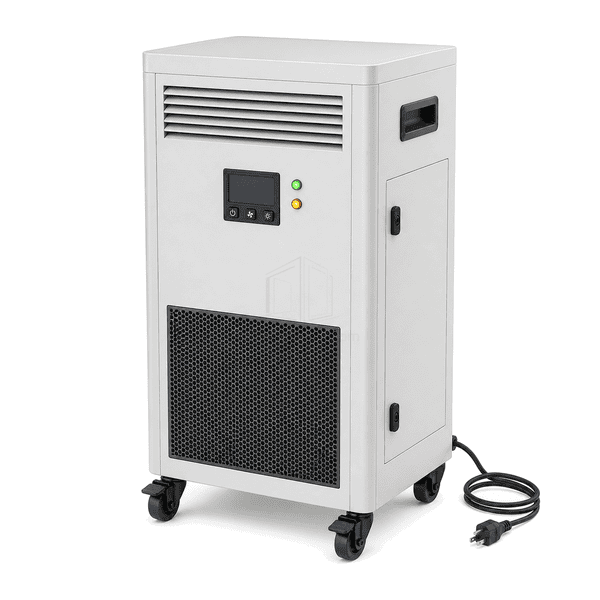
Explore UV and air-treatment equipment for compatible operating environments. Consider exposure geometry, air circulation, occupancy restrictions and the manufacturer's intended use rather than assuming whole-room sterilization.
Explore Products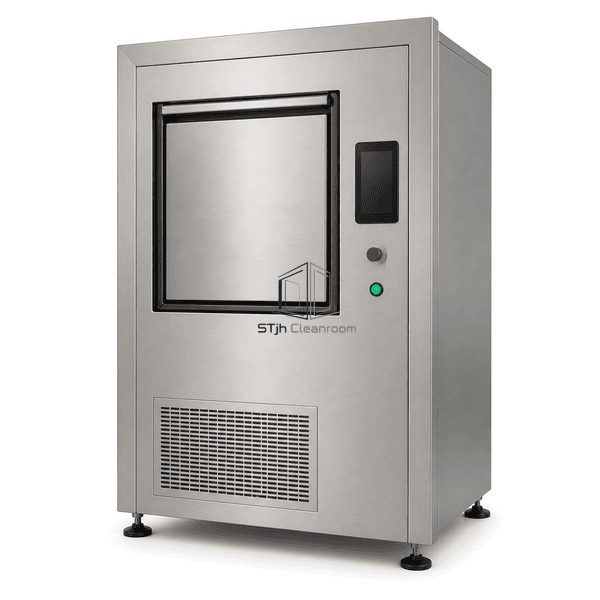
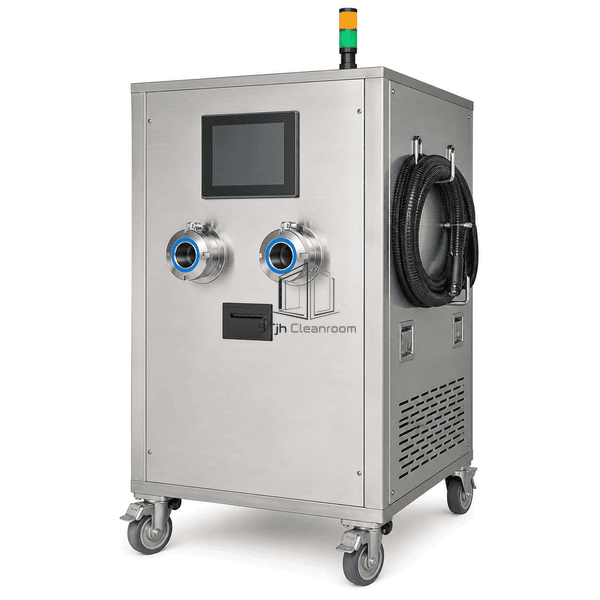
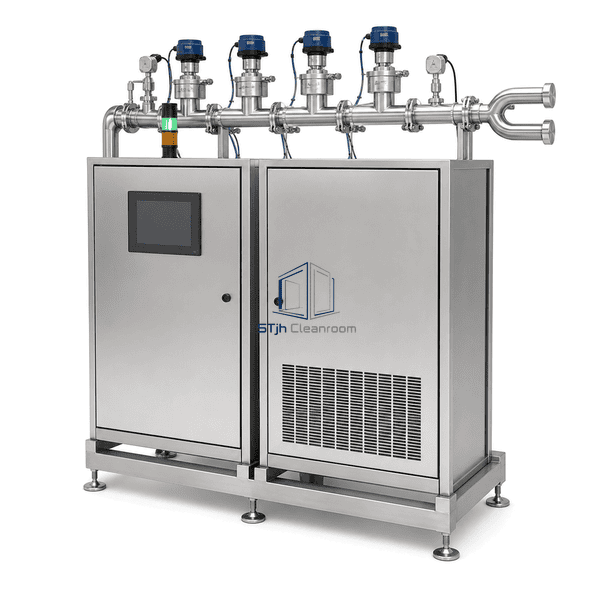
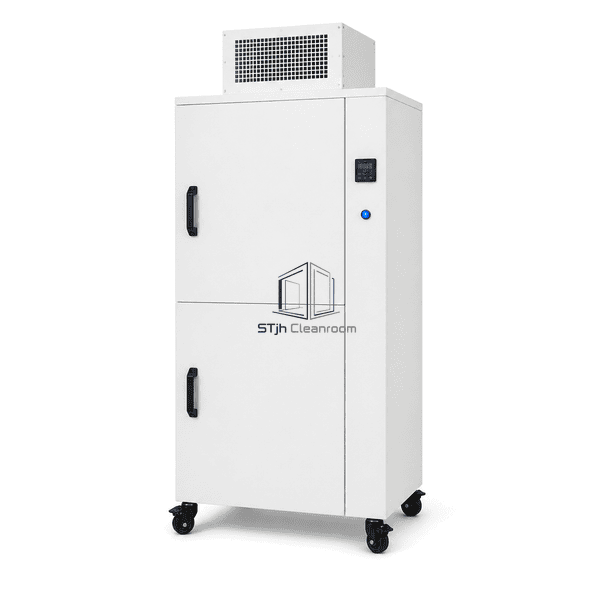
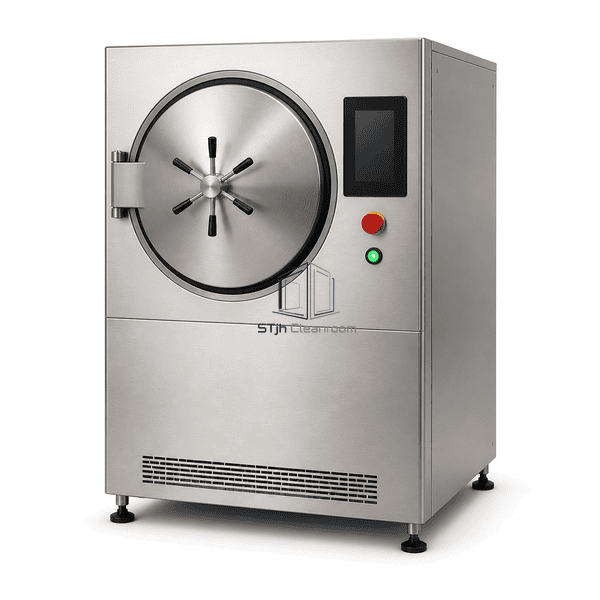
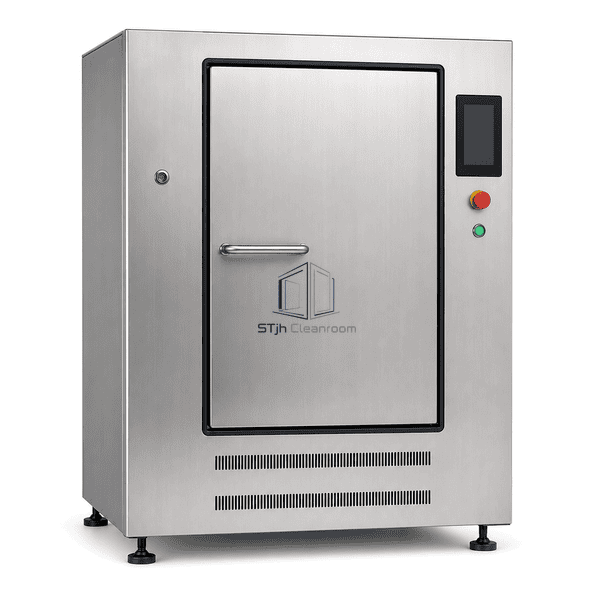
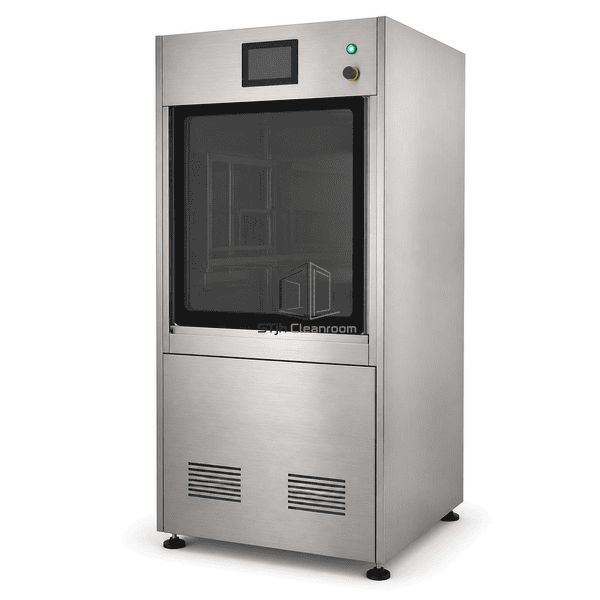
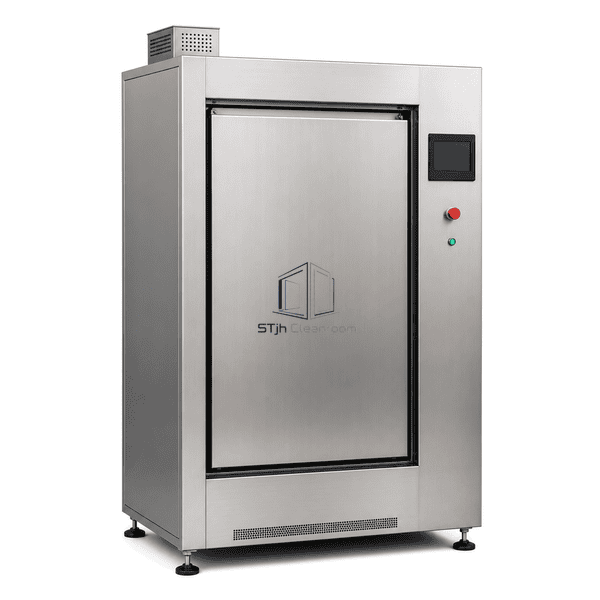
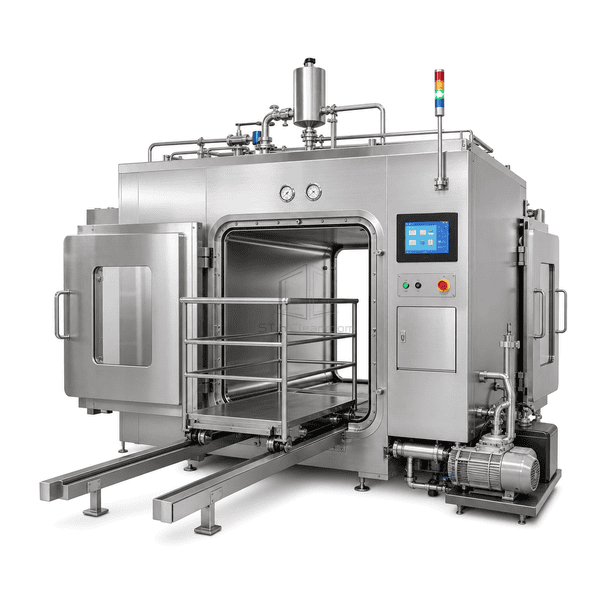
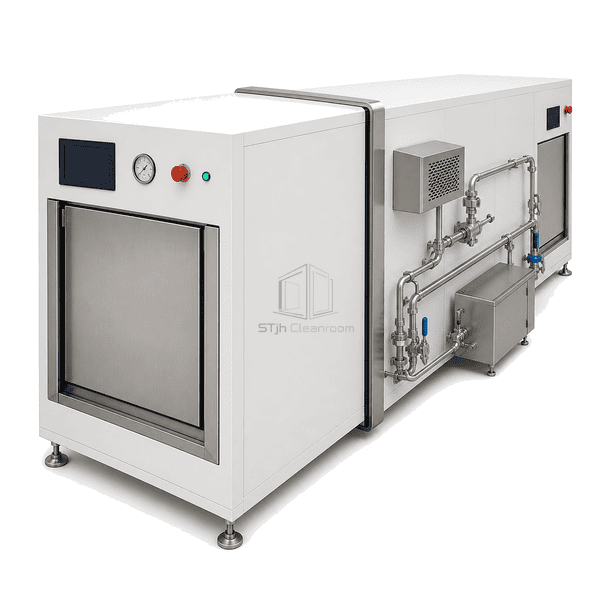
Process reusable items with equipment selected for their thermal and moisture tolerance. Compare chamber access, load geometry and cycle requirements across autoclaves, dry heat equipment and washer-disinfectors.
Explore Products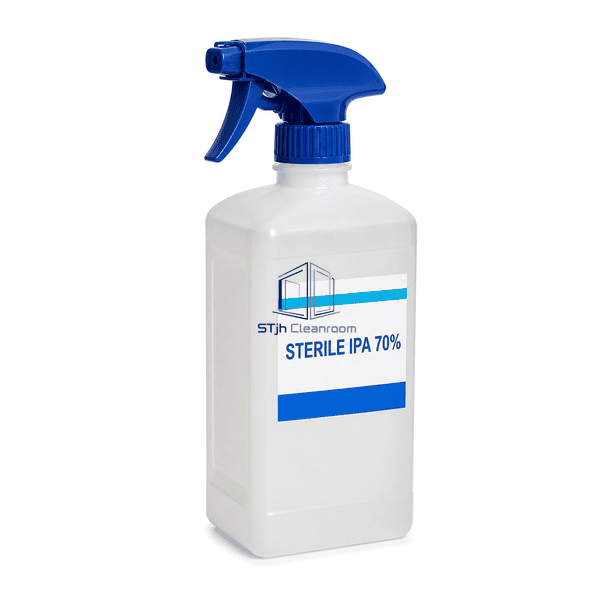
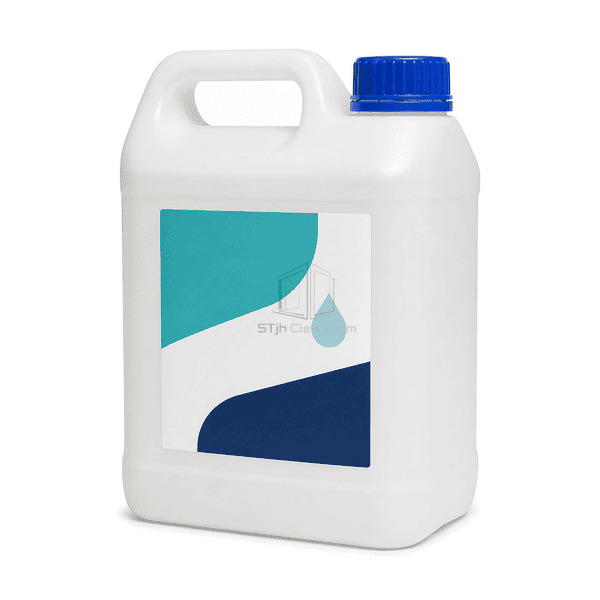
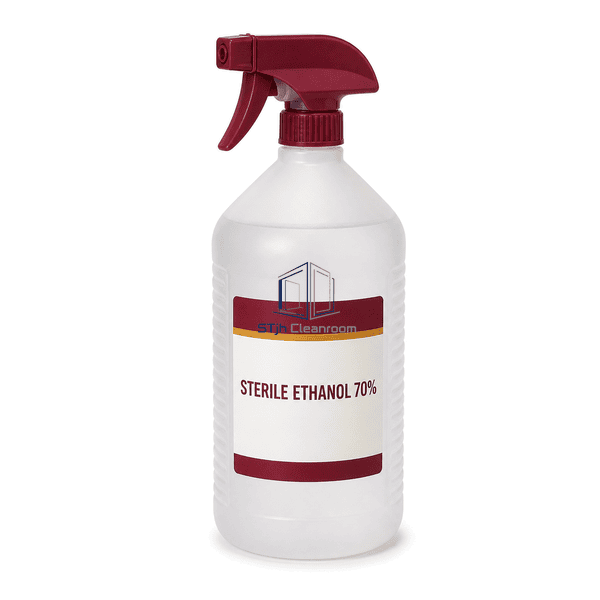
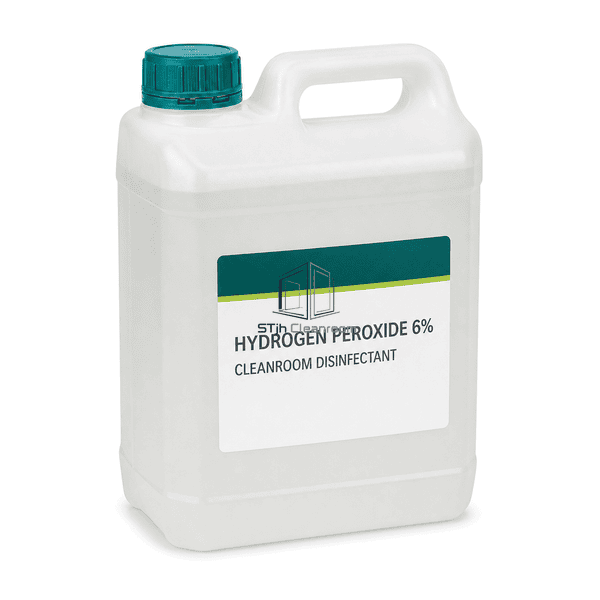
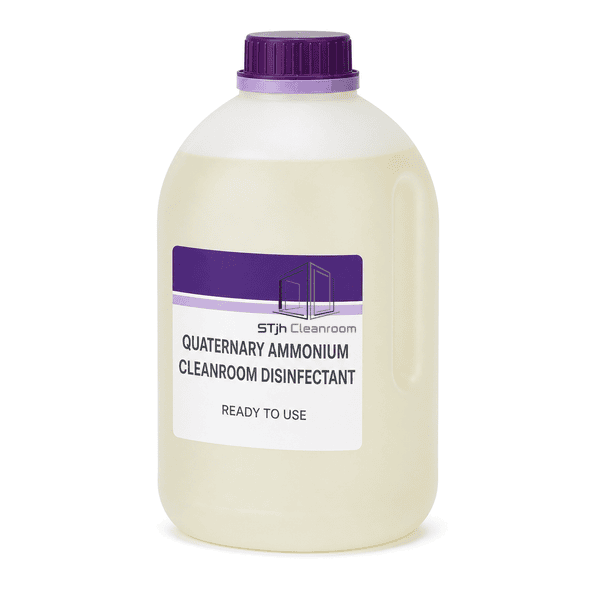
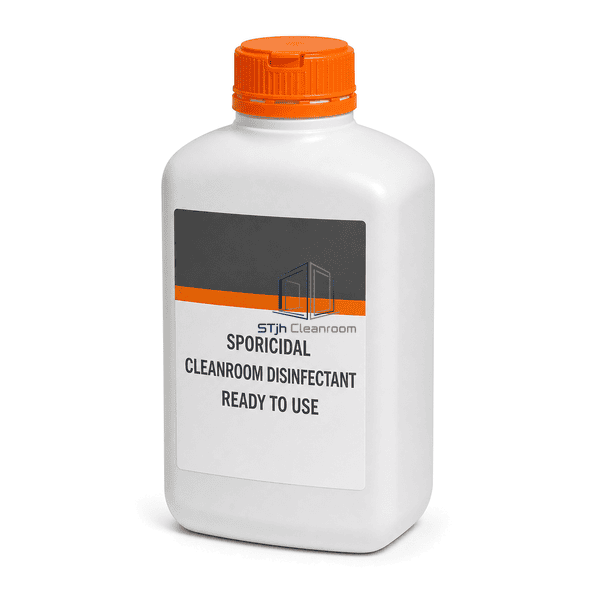
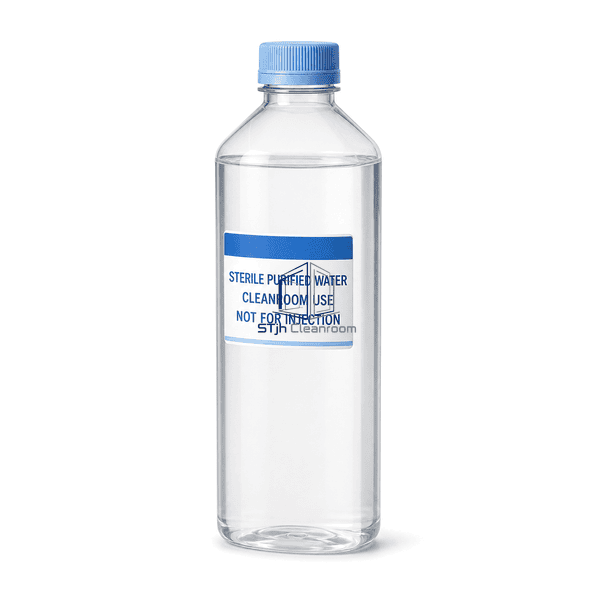
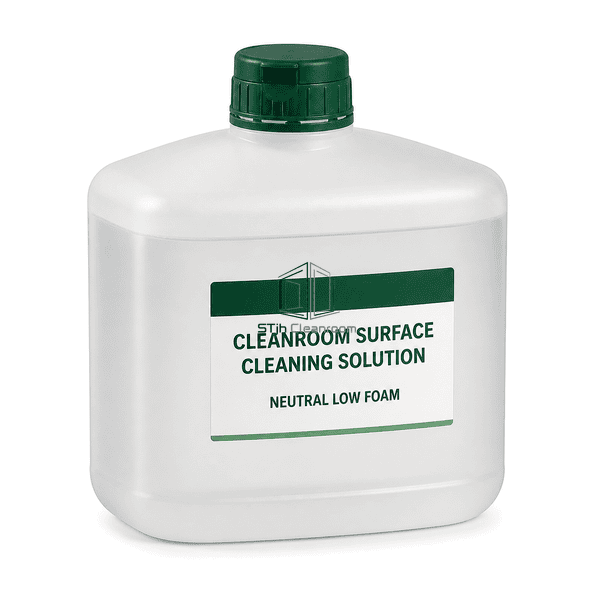
Select detergents and disinfectants for the surface and microbial-control task. Compare chemistry, residue considerations, sterile presentation and application requirements within the facility's established cleaning and disinfection program.
Explore ProductsCleaning, disinfection, biodecontamination and sterilization are not interchangeable claims. Removing soil prepares a surface for later treatment; the required microbial reduction then depends on the application and the demonstrated process. Equipment choice should begin with that distinction.
Vapor and fog systems treat defined environments under specified operating conditions. UV effectiveness depends on exposure geometry and dose, while thermal processes depend on load compatibility and cycle performance. A product name alone does not establish treatment effectiveness throughout a room or load.
For recurring surface care, the cleaning agent, disinfectant, application tool and wet contact time must work together. STjh can organize equipment and chemical inquiries around your intended surfaces and treatment sequence, retaining the safety requirements appropriate to each method.
Compare heat, moisture, oxidizing chemicals and exposure sensitivity before choosing equipment for each load or surface.
Include appropriate precleaning products or washing equipment before the selected disinfection or sterilization stage.
Consider enclosure preparation, treatment distribution, aeration and safe re-entry requirements when comparing systems.
Match the agent to the target organisms, surface compatibility, application method and specified contact conditions.
Select compatible vapor or fog equipment for a defined enclosure and an appropriately developed treatment cycle.
Compare autoclaves, dry heat equipment and washer-disinfectors for the materials and loads actually processed.
Coordinate detergents and disinfectants with the facility's cleaning sequence and application tools.
No products match your selection. Try another product type or a shorter search term.
No. Room treatment and load sterilization have different exposure conditions and validation requirements. Select the method for the actual load, materials and required result; do not assume a surface treatment reaches every part of a packaged item.
Not automatically. Exposure depends on distance, duration, geometry and shielding. Shadowed areas and incompatible use conditions must be considered, and the equipment must be operated with appropriate protection from UV exposure.
Provide the enclosure size and layout, materials inside, intended treatment objective, available utilities and ventilation arrangements. Treatment development and safe aeration requirements are part of determining a suitable system.
Share the surfaces or loads, material restrictions and treatment objective. We can help compare equipment options and prepare an application-specific quotation.