 日本語
日本語 ドイツ人。
ドイツ人。 アラビア語:アラビア語
 フランス語で
 インドネシア語
 日本語で。流れ
 韓国語
韓国語 マレー語
マレー語 ポルトガル語
 ロシア語
ロシア語 スペイン語
スペイン語 タイ語
タイ語 トルコ語
トルコ語 ベトナム語
ベトナム語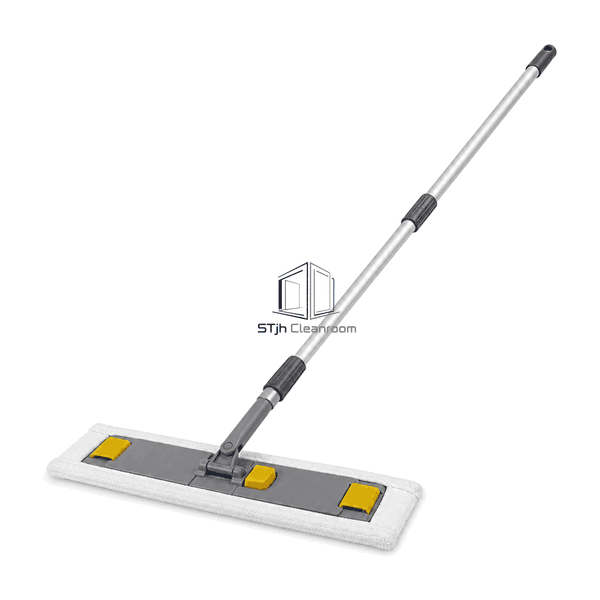
Operators struggle to clean ceilings and concealed surfaces.
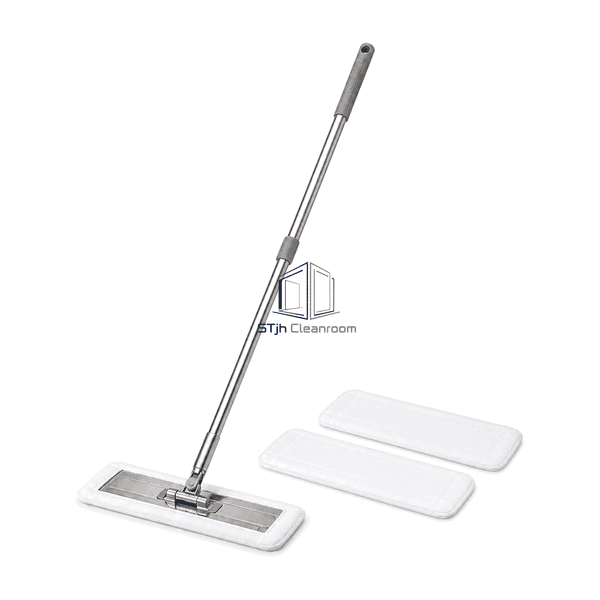
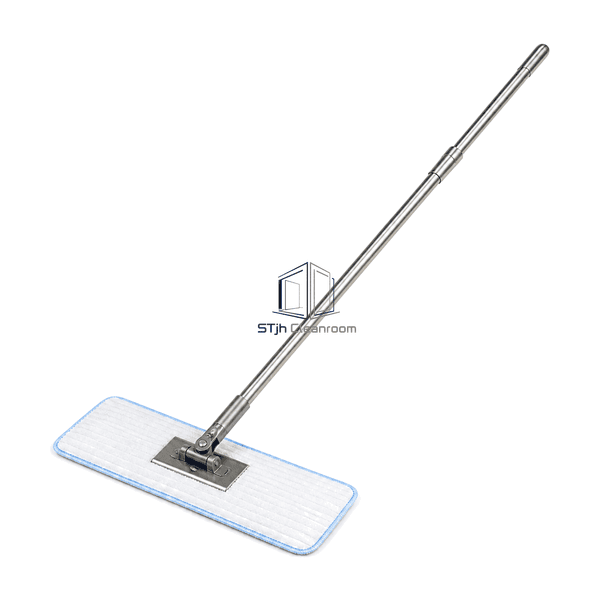
Select dedicated wall and ceiling mops, suitable handle reach and head articulation to improve access without improvised tools.


Make routine cleanroom cleaning easier to carry out consistently. Choose vacuum cleaners, floor scrubbers, mopping systems and specialized cleaning equipment for the surfaces, residues and access conditions in your facility. From reaching overhead panels to organizing fresh and used cleaning materials, the right equipment helps your team remove contamination without introducing unnecessary handling steps or unsuitable tools.
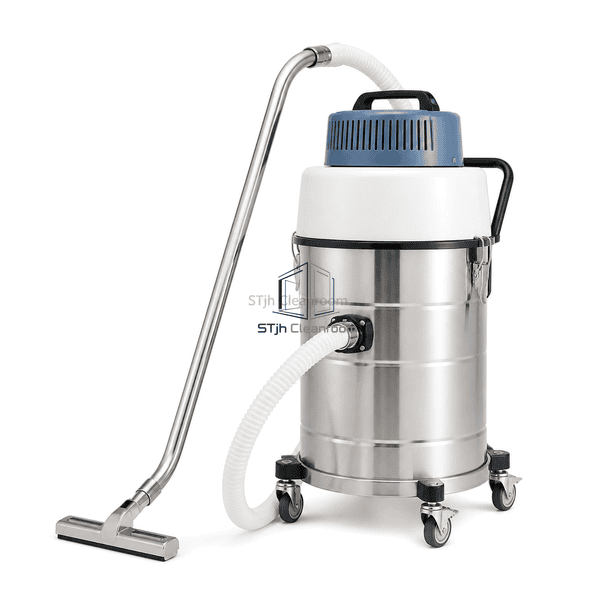
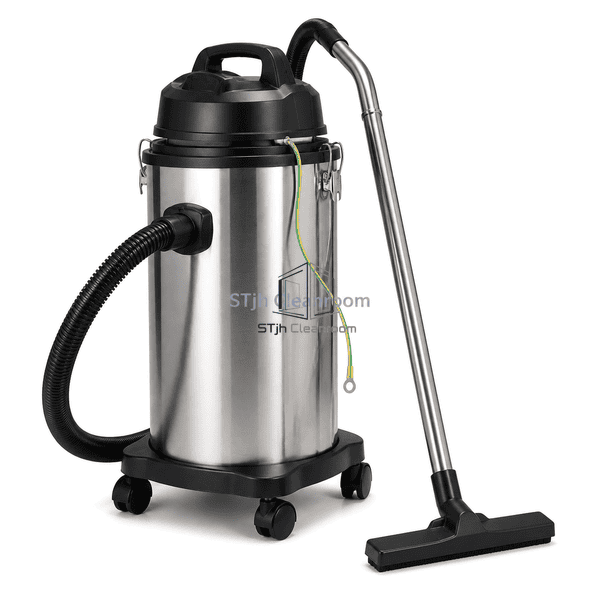
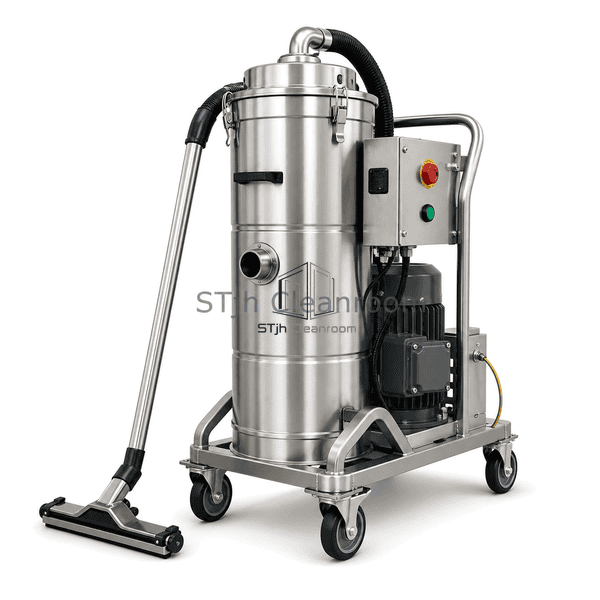
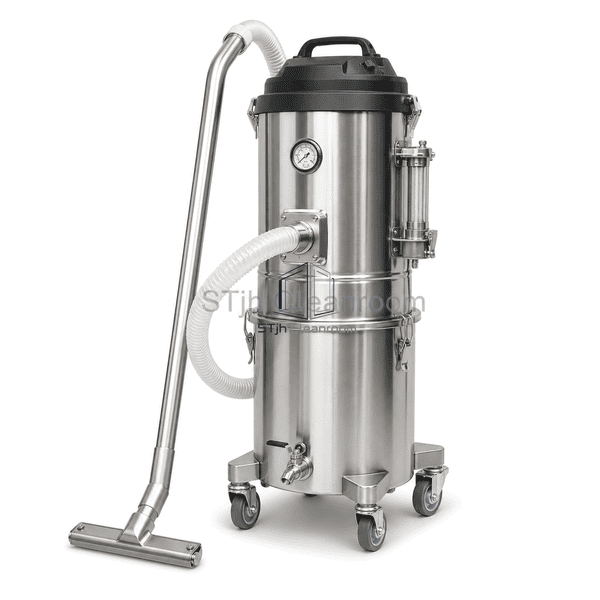
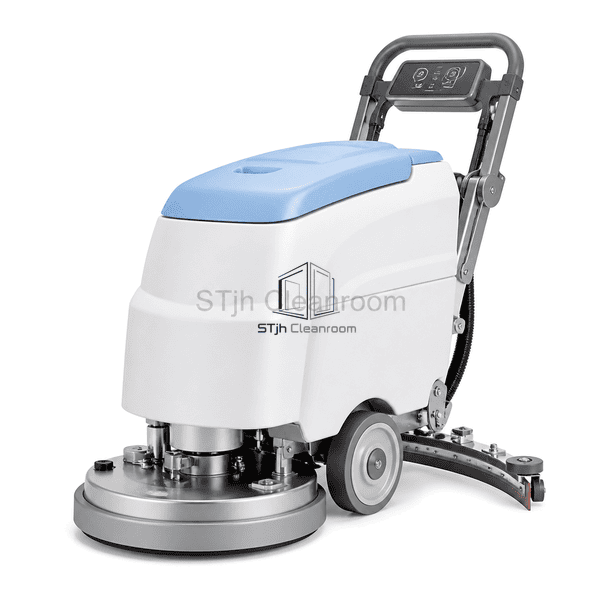
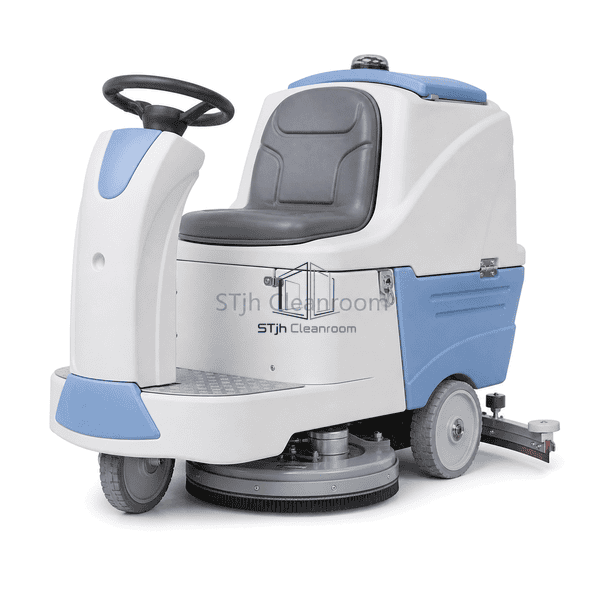
Remove dry particles or wash and recover floor residues with equipment suited to the job. Compare filtration, collection method, maneuverability and any static or hazardous-area requirements before selecting.
Explore Products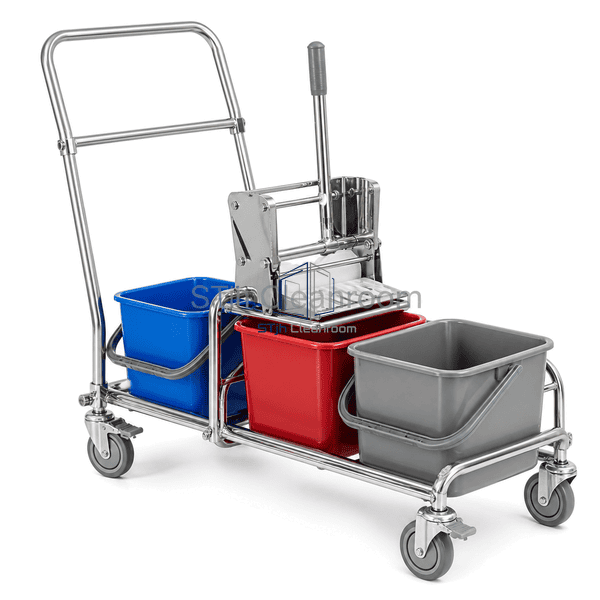
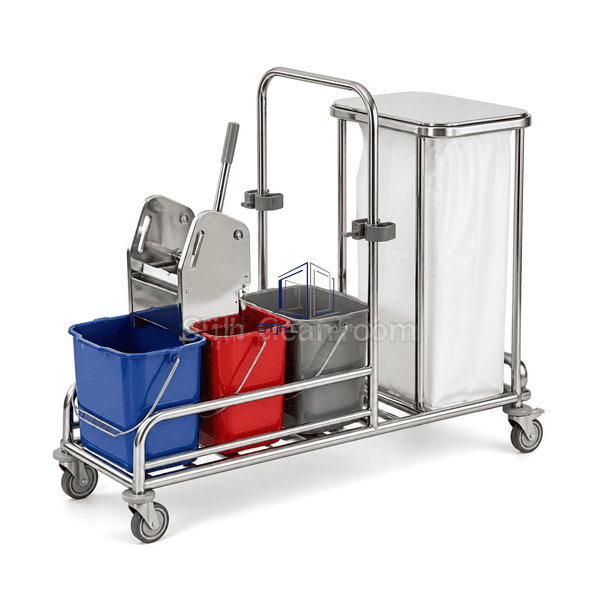
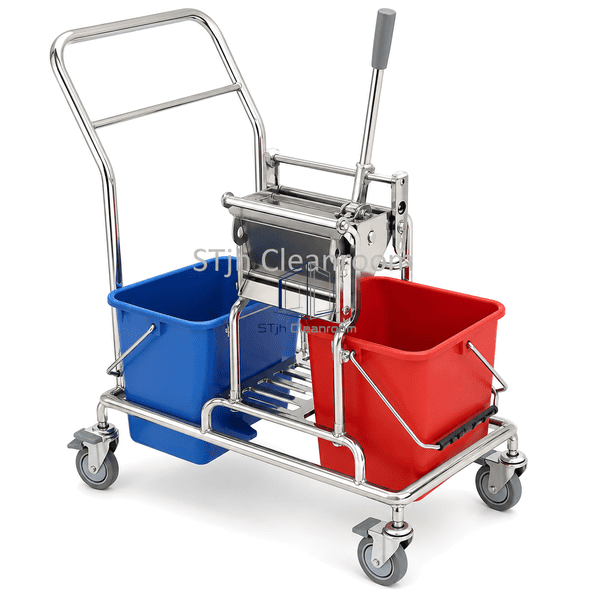
Build a coordinated manual cleaning system for floors, walls and ceilings. Match mop material, head shape, handle reach and bucket arrangements to the surface and cleaning solution.
Explore Products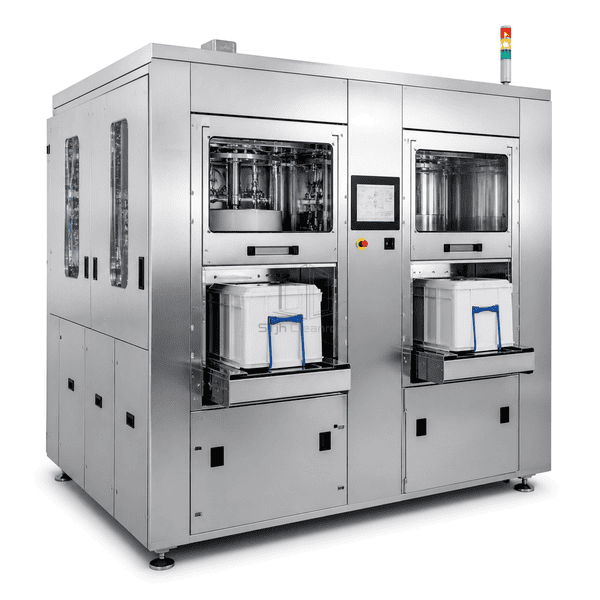
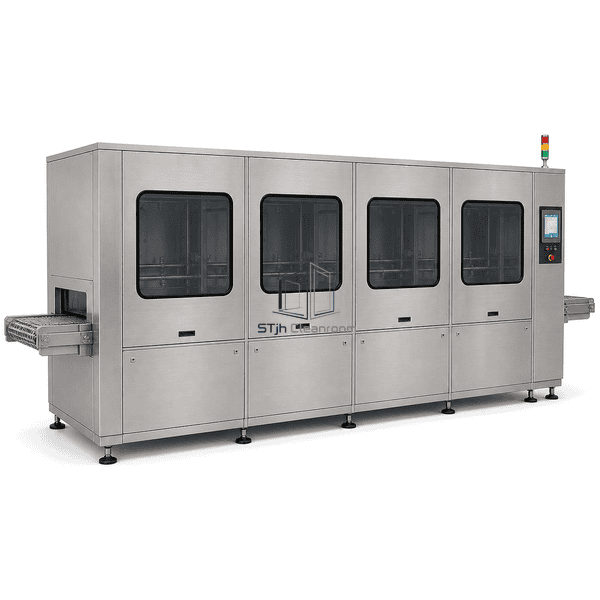
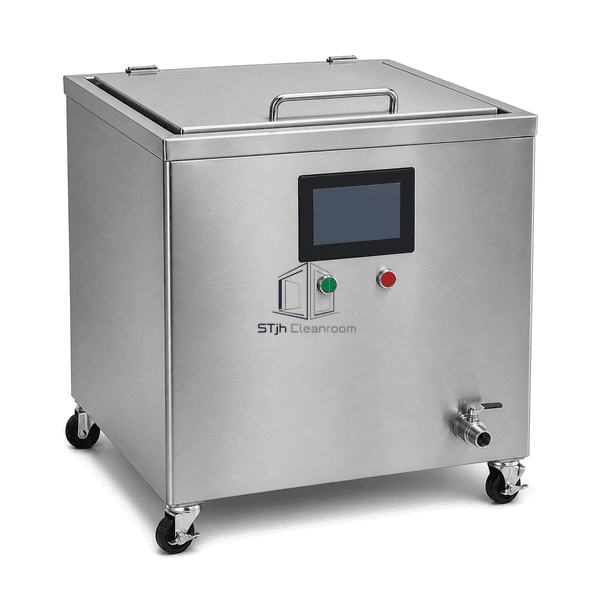
Address component, carrier and wet-process cleaning with dedicated equipment. Compare the cleaning mechanism and load compatibility, especially where steam, foam or pressure could affect sensitive surfaces.
Explore Products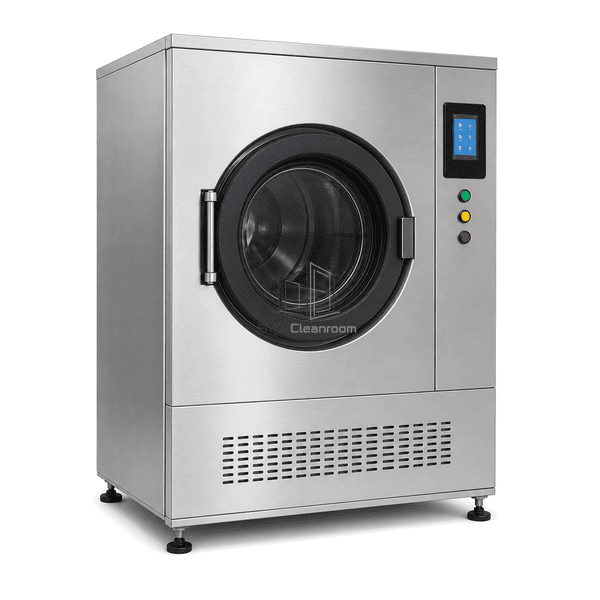
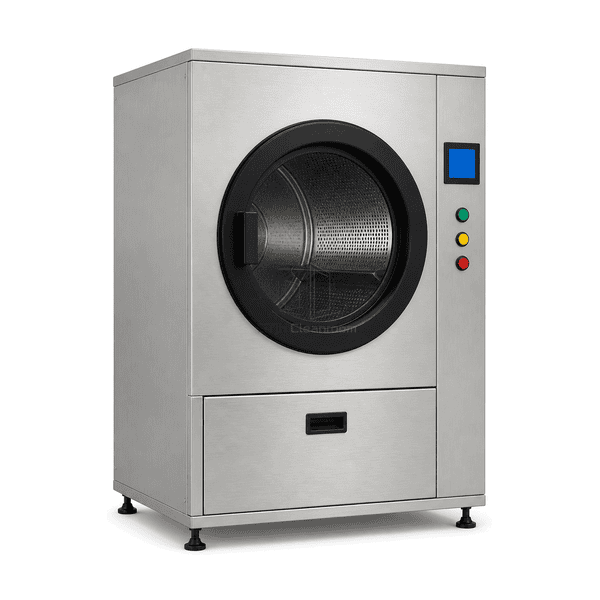
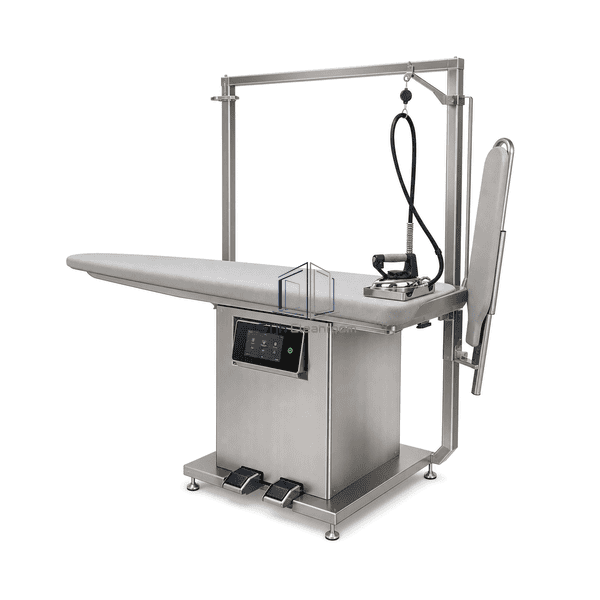
Coordinate reusable garment washing, drying, finishing and packing with your processing routine. Choose equipment around garment construction, batch size and the separation of used and cleaned items.
Explore ProductsEffective cleaning starts with access and physical removal. A tool that cannot reach behind equipment, release collected soil or tolerate the cleaning solution creates extra work. Select the cleaning method around the actual surface and residue rather than choosing every tool by room classification alone.
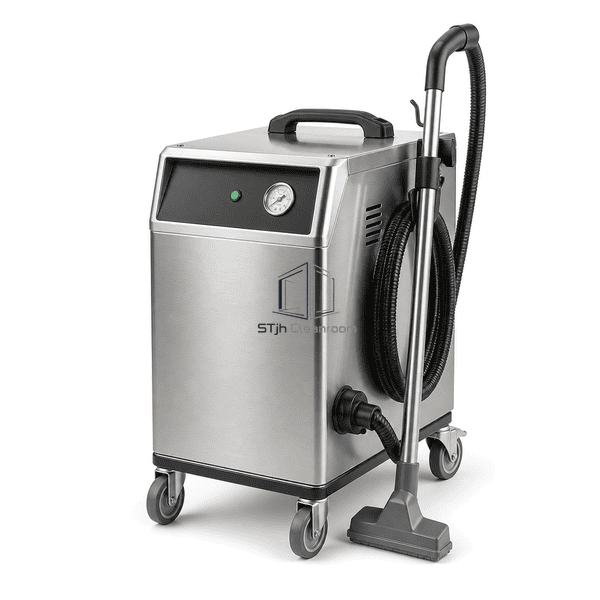
Vacuum systems and mechanized scrubbers address different tasks from hand mopping. Evaluate exhaust filtration, pickup method, collection containers and the ability to clean the equipment itself. Where static-sensitive materials or combustible dusts are present, equipment suitability requires separate attention.
The same practical approach applies to garment and component processing. Washer, dryer, finishing and packing steps need compatible loads and a defined flow between used and cleaned items. We can help bring the relevant equipment and operating accessories together in your inquiry.
Select dedicated wall and ceiling mops, suitable handle reach and head articulation to improve access without improvised tools.
Use bucket, wringer and mop arrangements that support your separation of fresh solution, rinse liquid and used materials.
Identify dry dust, liquids, static sensitivity and any combustible hazard before comparing filtration and collection configurations.
Coordinate washing, drying, finishing and packing equipment around the garment load and your clean-to-dirty workflow.
Remove particles and cleaning residues from floors, panels and accessible equipment surfaces.
Select collection methods compatible with sensitive components and static-control requirements.
Organize cleaning, drying and finishing steps for reusable items under the facility's established process.
No products match your selection. Try another product type or a shorter search term.
No. A vacuum removes collected material; disinfection addresses microorganisms using a suitable process. Your cleaning routine may require both, with equipment and chemicals selected for their distinct roles.
Consider usable floor area, obstacles, residue type, liquid recovery and access. Mechanized cleaning may suit open areas, while hand tools remain useful at edges, walls and restricted spaces.
No. Static-control features and suitability for explosive atmospheres are different requirements. Identify the material and hazardous-area conditions before selecting a vacuum for that application.
Tell us what you clean, the residues involved and the access limitations. We can help select machines, mops and accessories for a practical equipment quotation.