 Englisch
 DeutschCurrent
 Arabisch
 Französisch
 indonesisch
 Japanisch
 Koreanisch
 Malaiisch
 Portugiesisch
 Russisch
 Spanisch
 Thailändisch
 Türkischer Sprache
 Vietnamesisch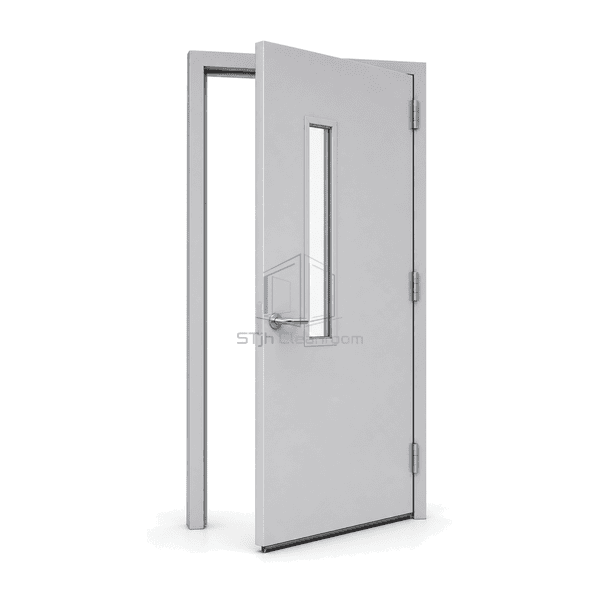
Carts catch door leaves or lack room to turn through the opening.
Check the full clear opening and approach route, then compare single, double-leaf or sliding arrangements against the largest load.



Make every opening work for the people, carts and equipment passing through it. Explore cleanroom doors, observation windows, interlocks and operating hardware selected around access, cleanability and room separation. From compact personnel entrances to larger equipment openings, we can help you compare materials, door movements and control options that fit your layout and the way your facility operates.
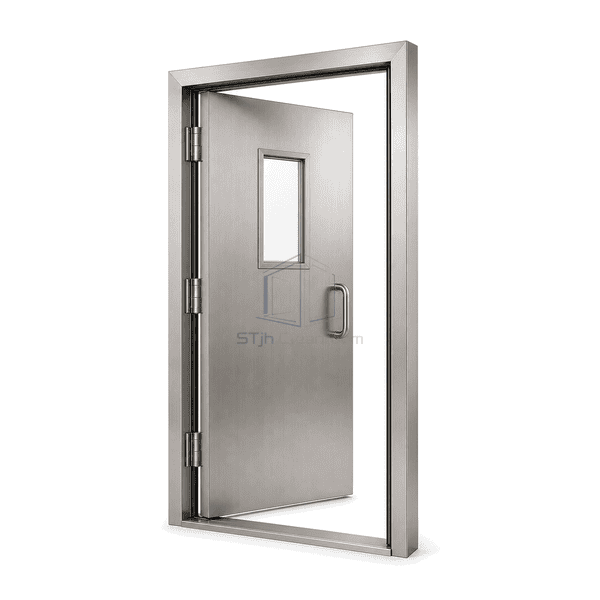
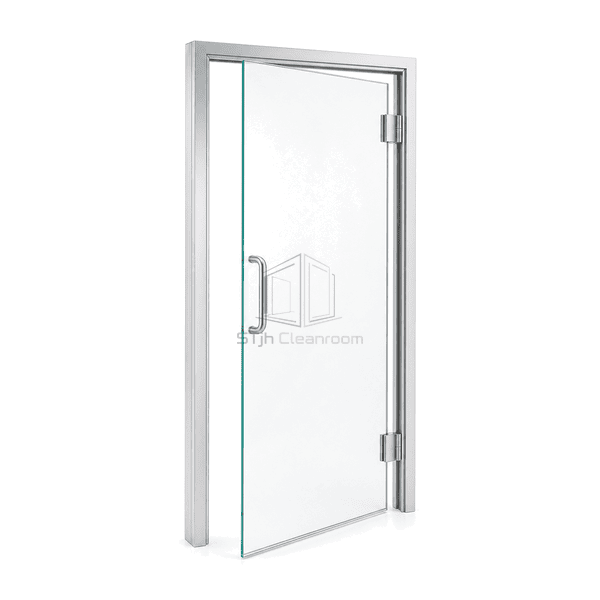
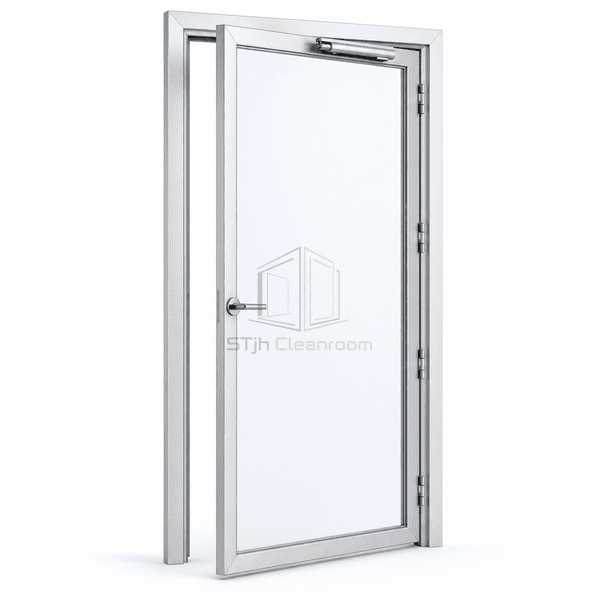
Compare steel, stainless steel, aluminum, HPL, FRP and glass door options. Choose the leaf material around cleaning exposure, impact, appearance and the intended room use.
Explore Products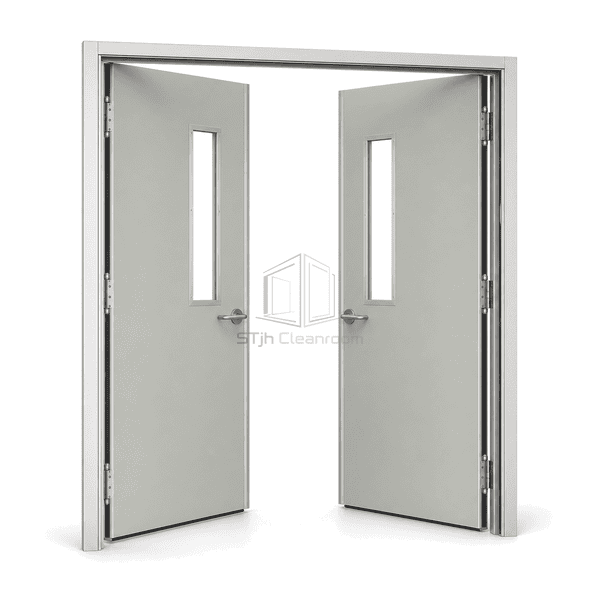
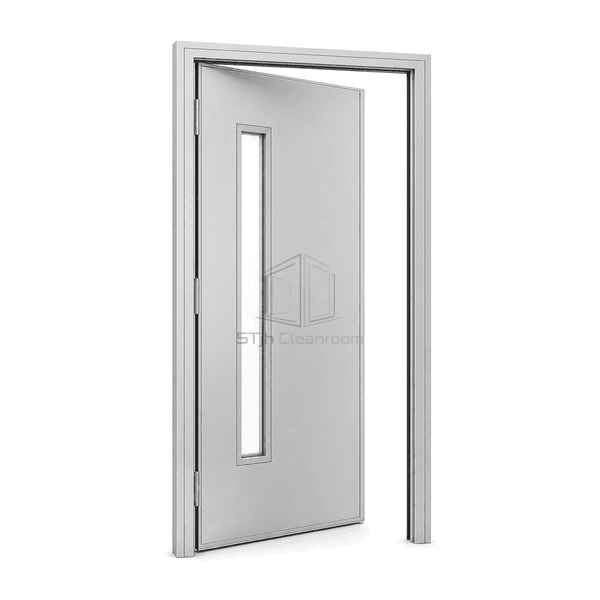
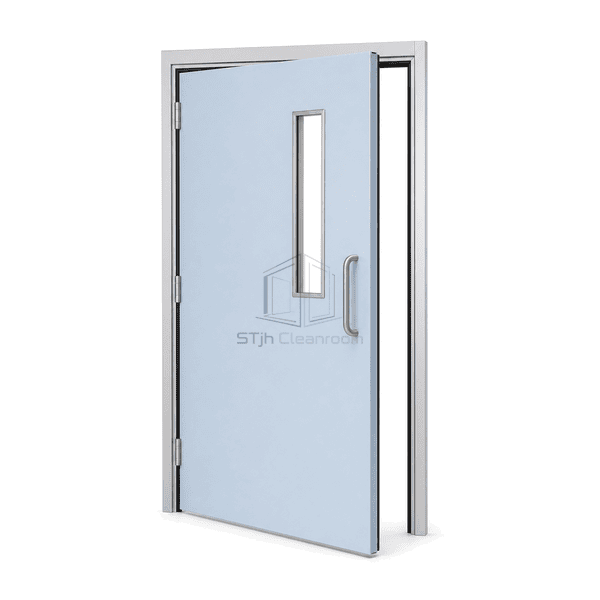
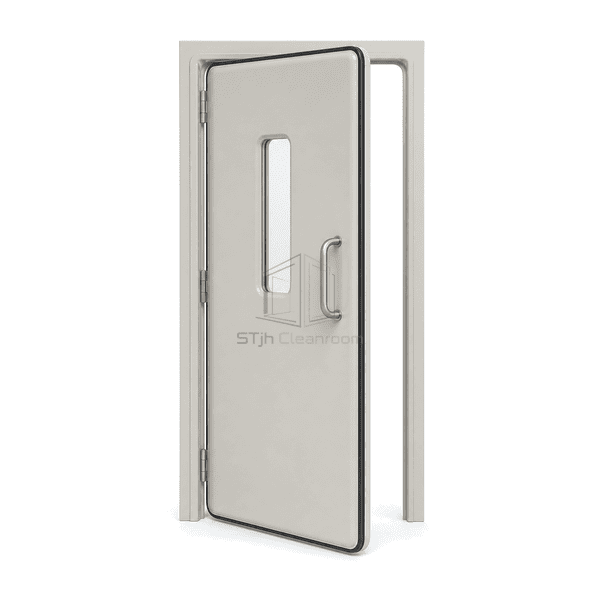
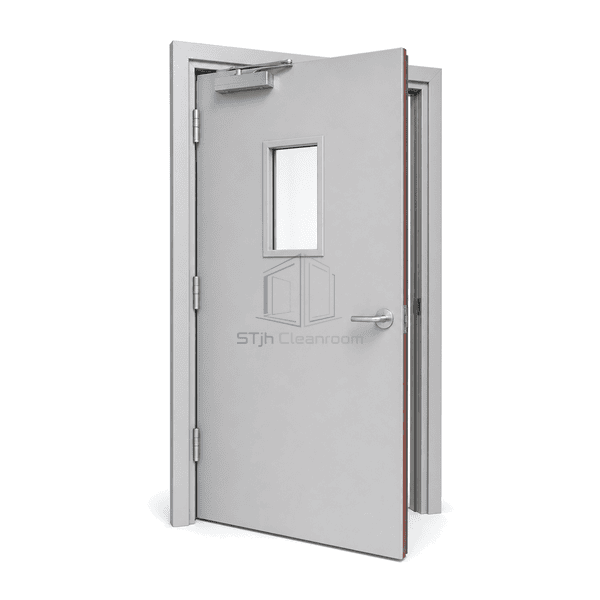
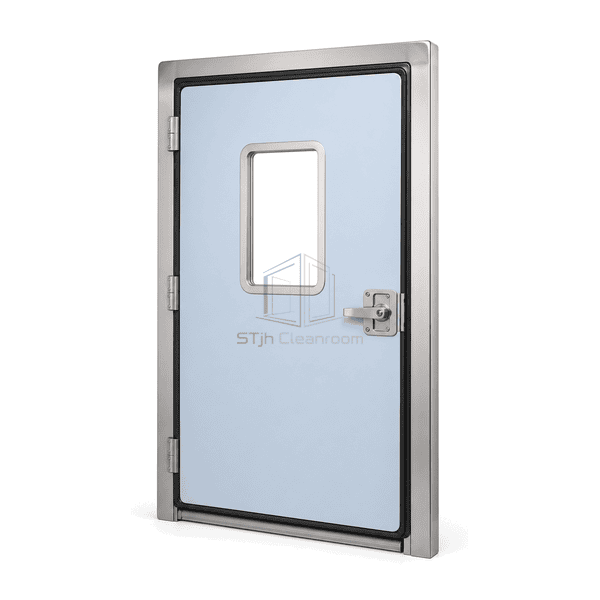
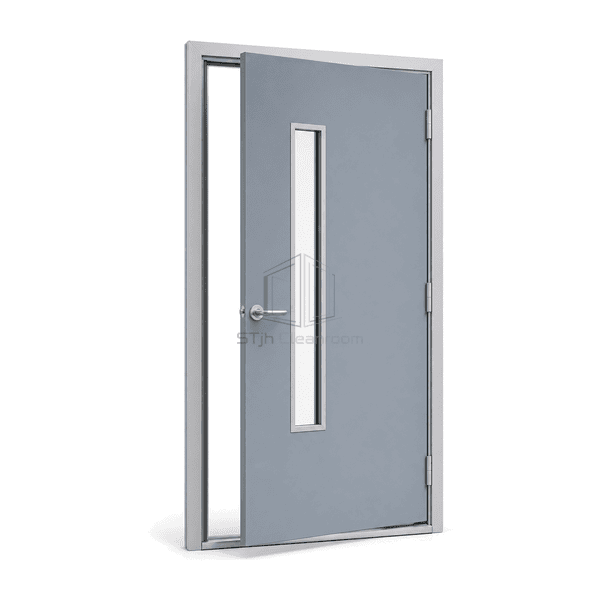
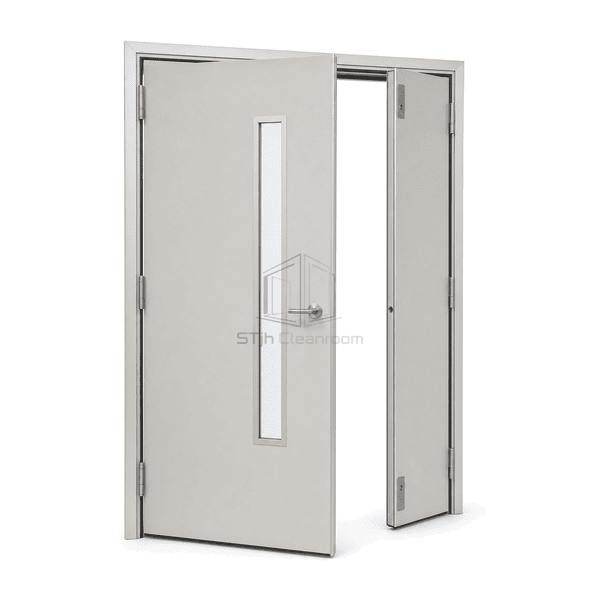
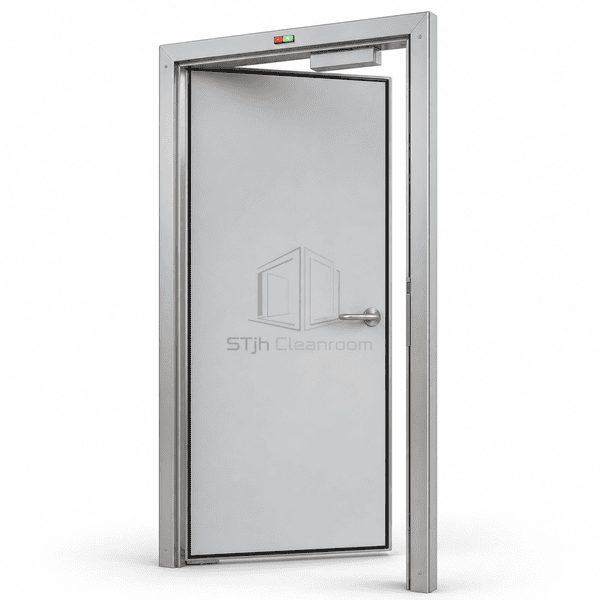
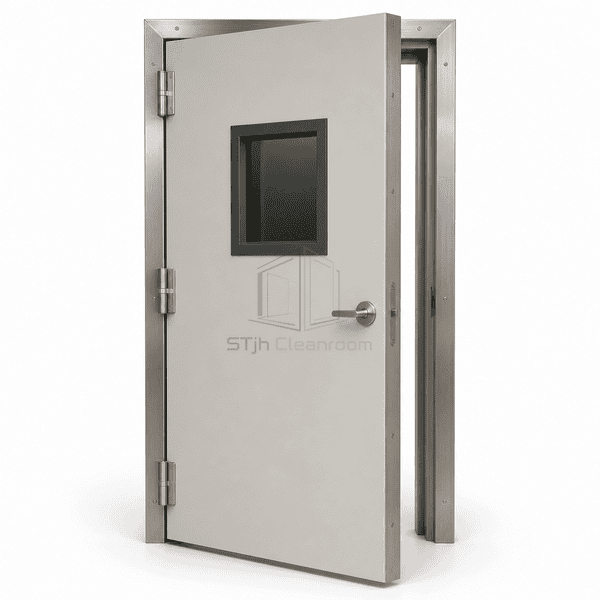
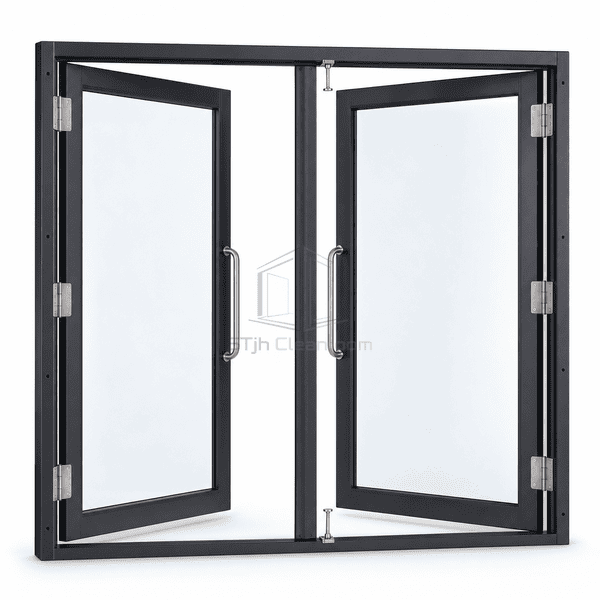
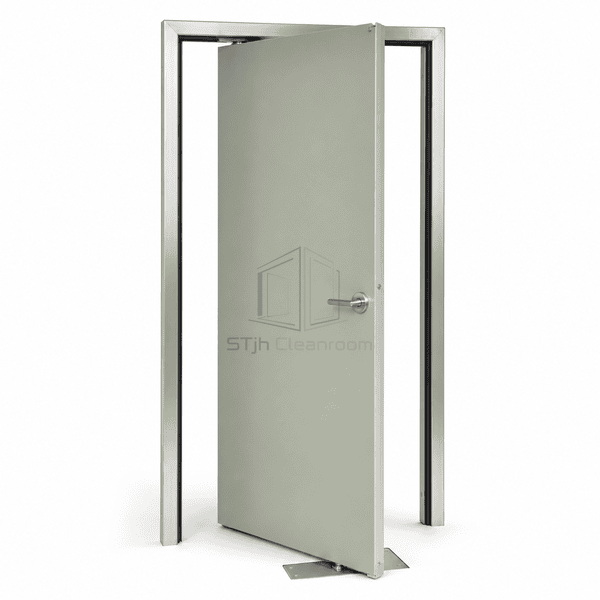
Equip personnel and material openings with suitable swing-door arrangements. Compare leaf widths, closing direction, sealing requirements and available sweep space before selecting the door set.
Explore Products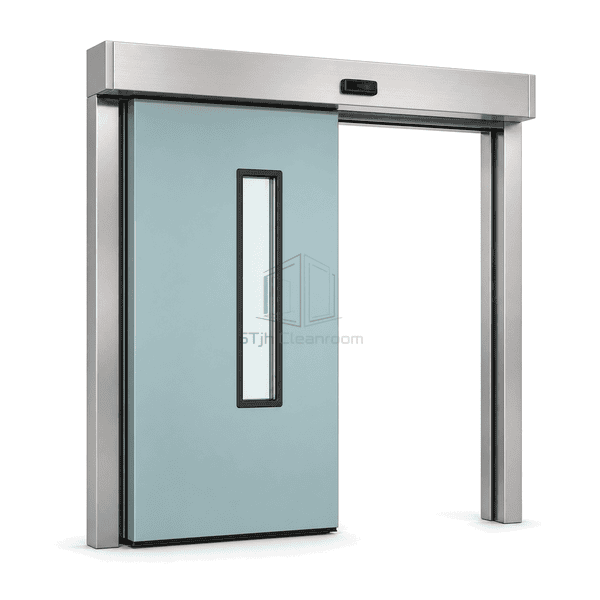
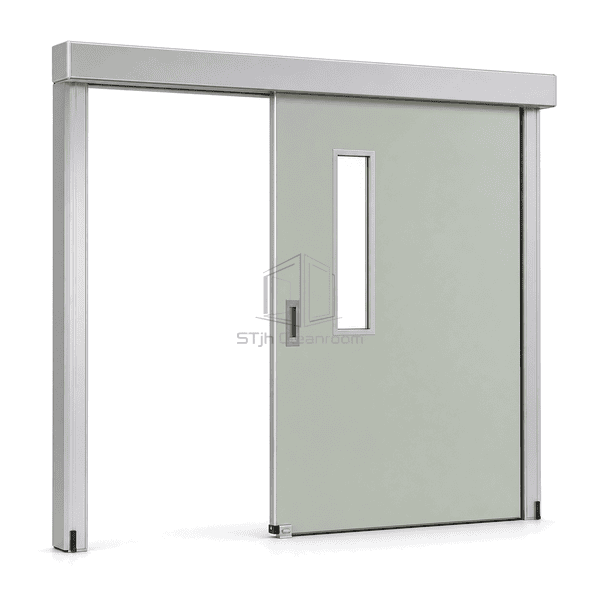
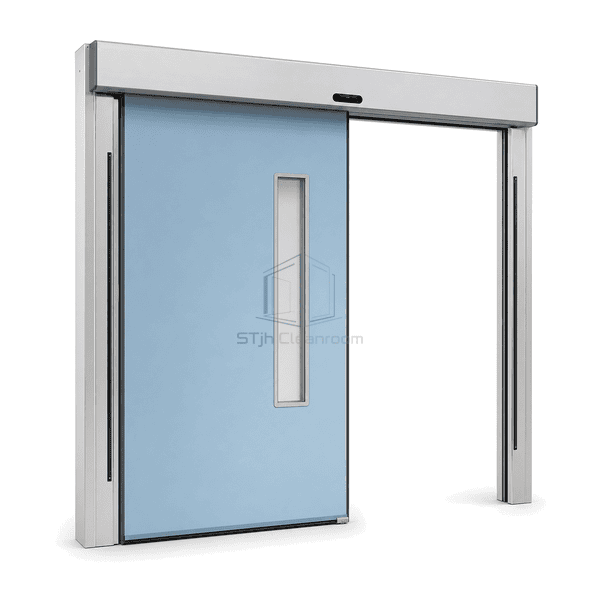
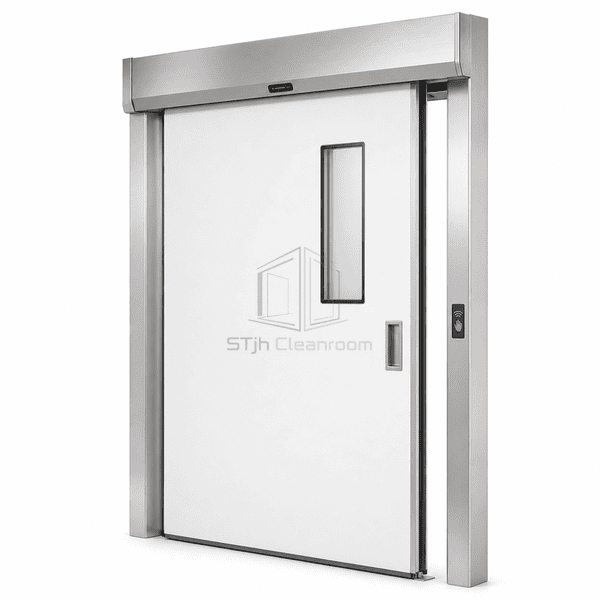
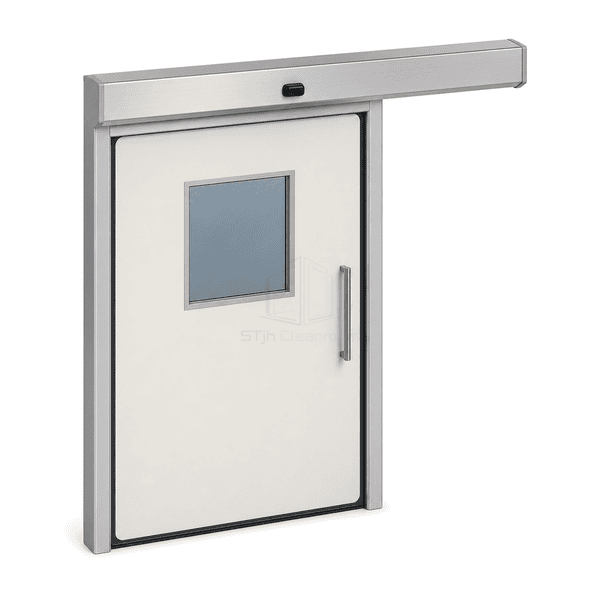
Keep door movement alongside the wall with manual or automatic sliding options. Where leakage control matters, review a hermetic assembly and its complete sealing arrangement.
Explore Products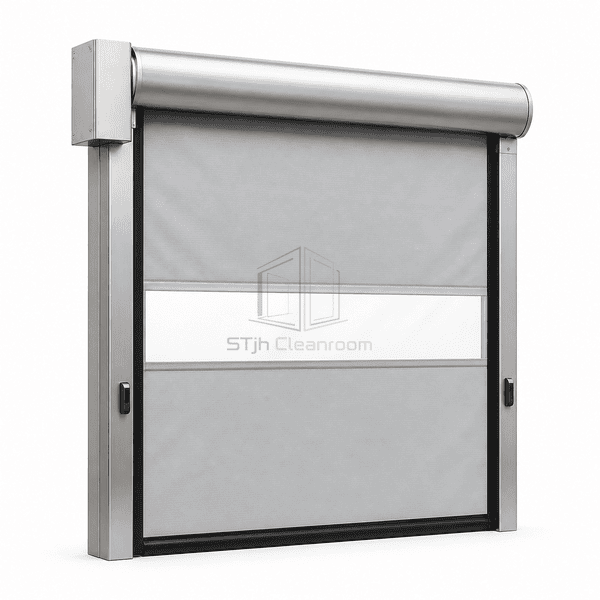
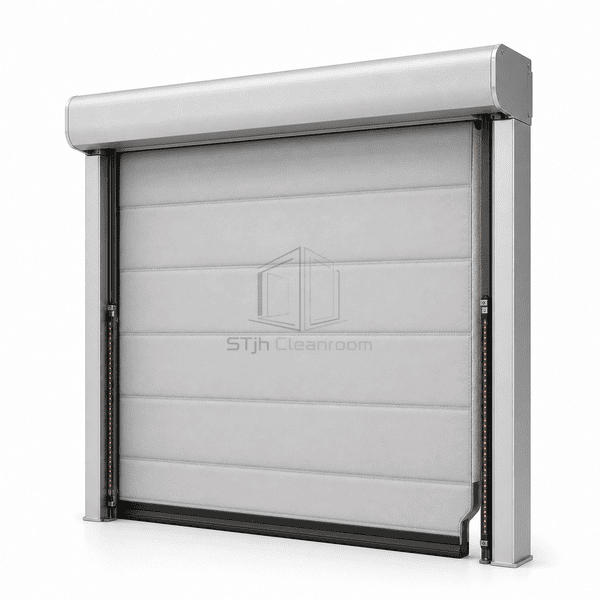
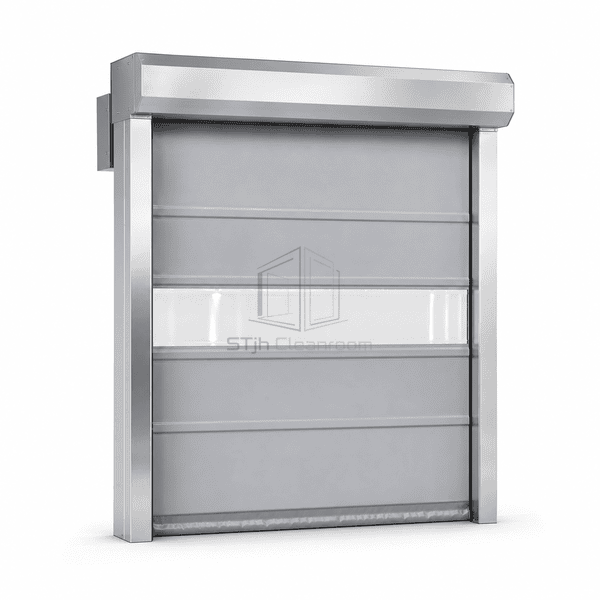
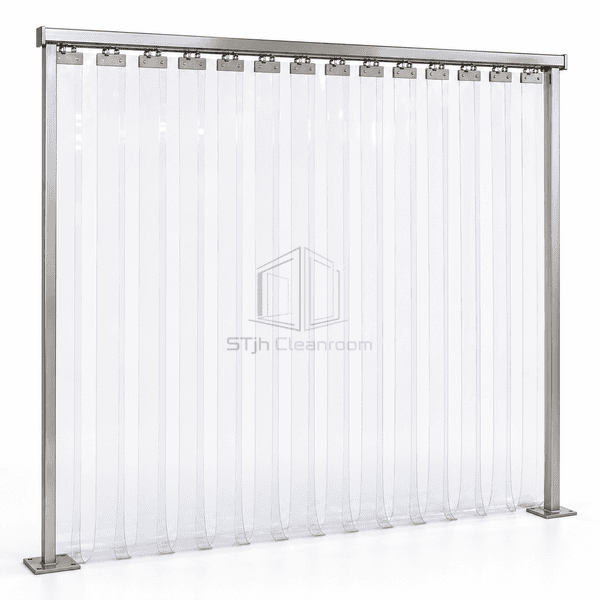
Support frequent movement through larger openings with roll-up door formats. Match curtain material, opening duty, insulation needs and control interfaces to the traffic route.
Explore Products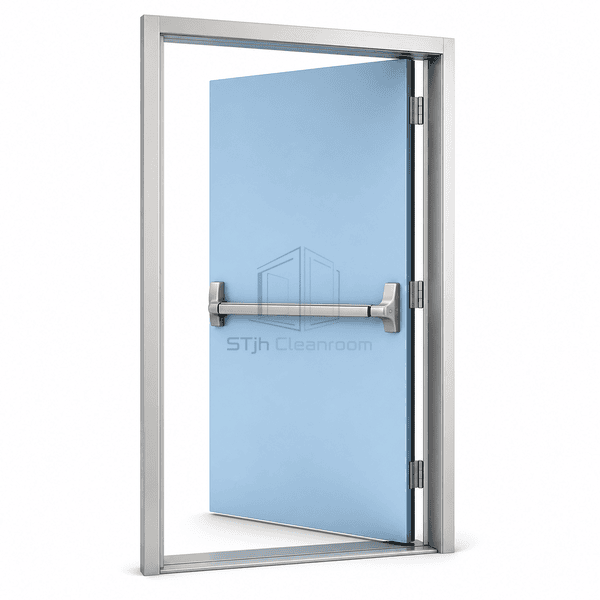
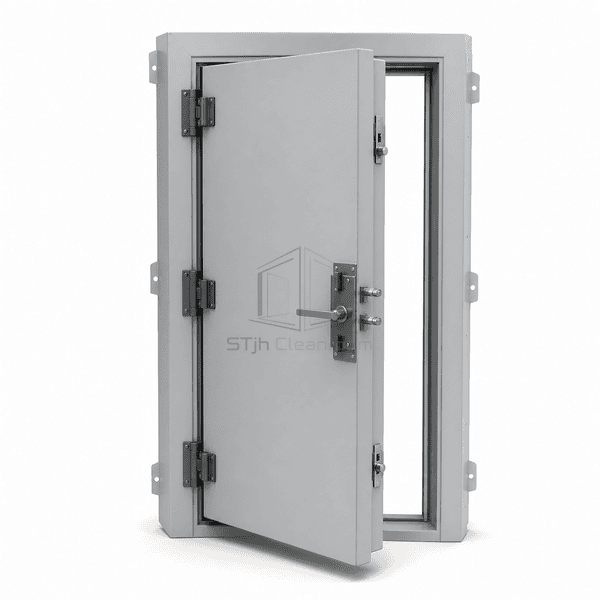
Address dedicated access and safety duties with purpose-selected door types. Define emergency exit, shielding or other specialist requirements for the complete assembly before requesting a quotation.
Explore Products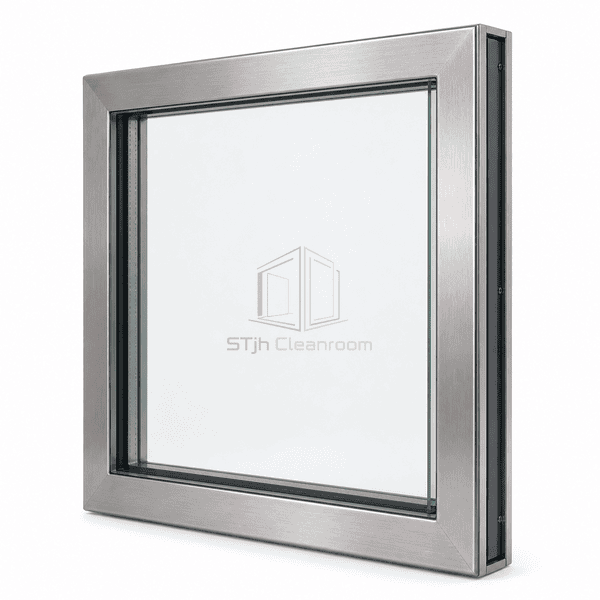
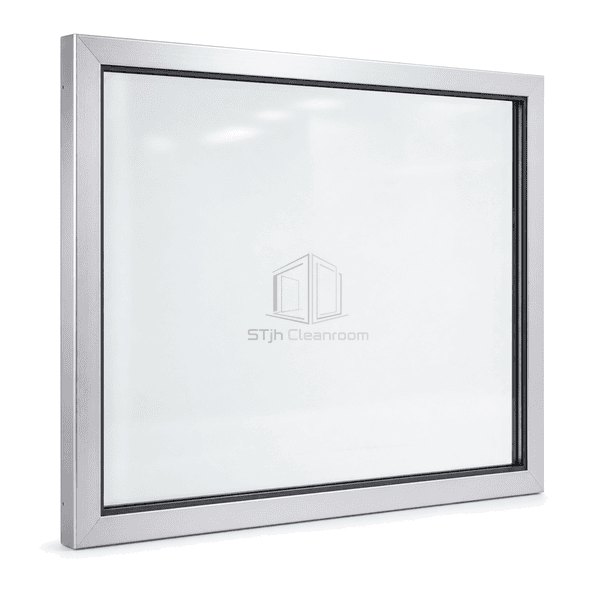
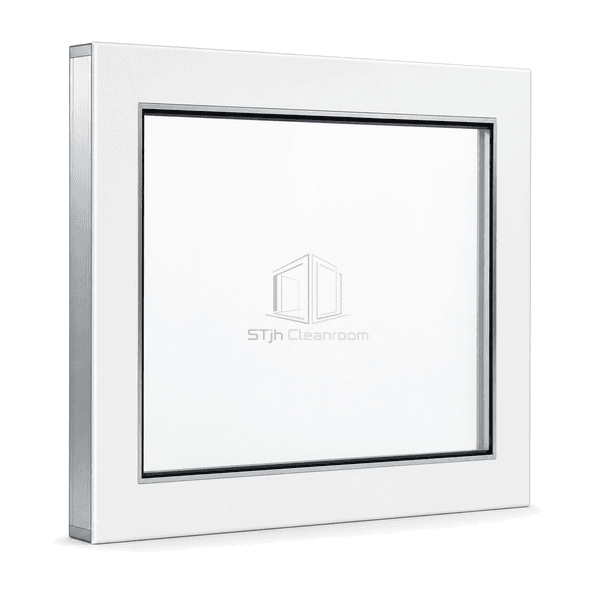
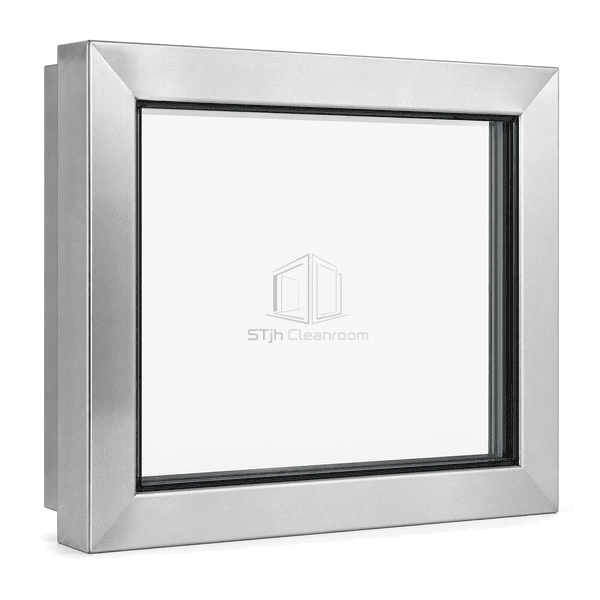
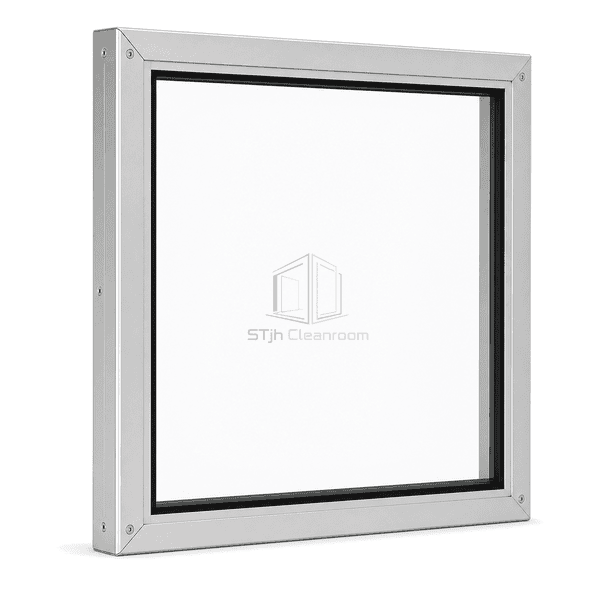
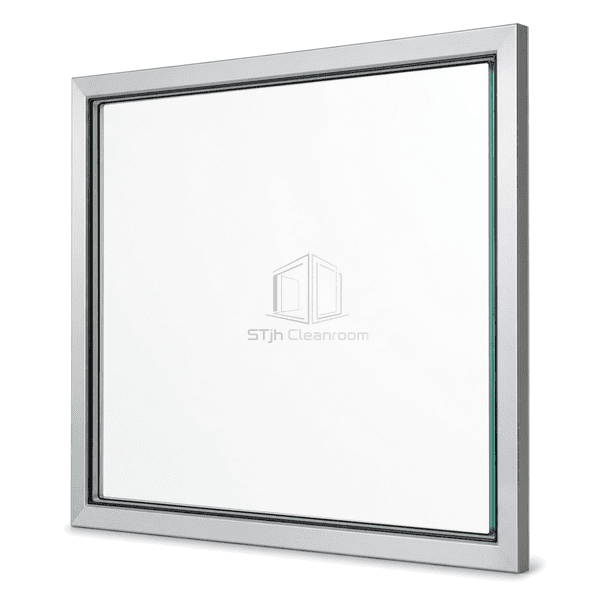
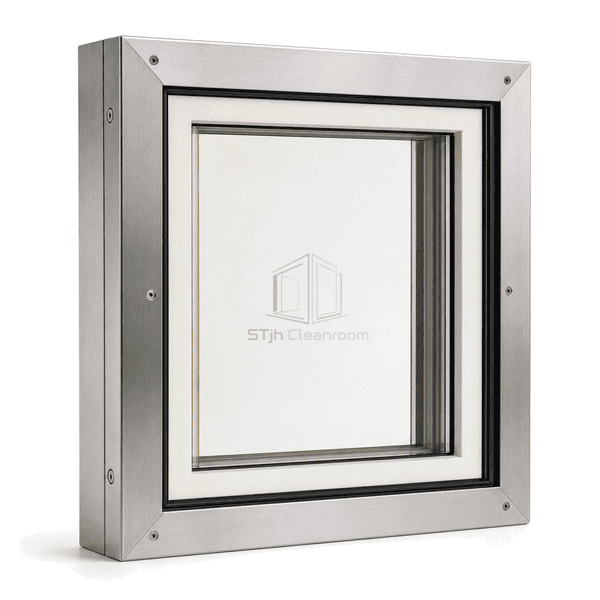
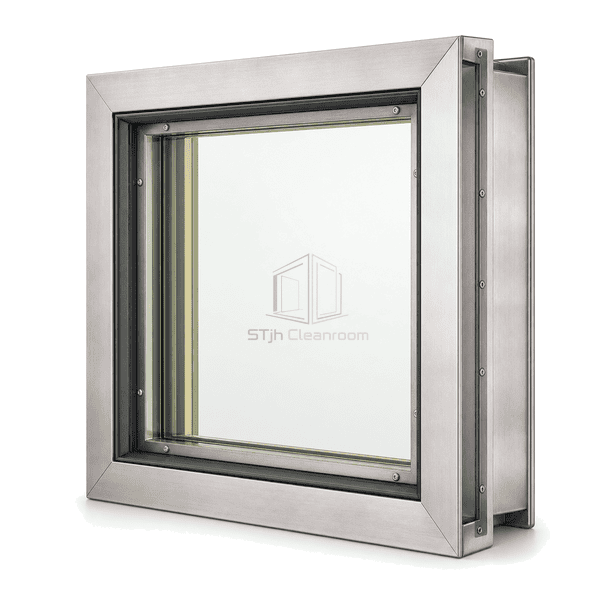
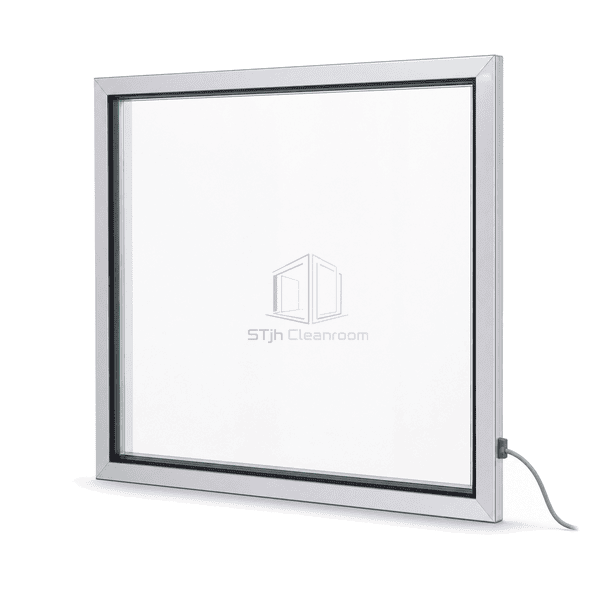
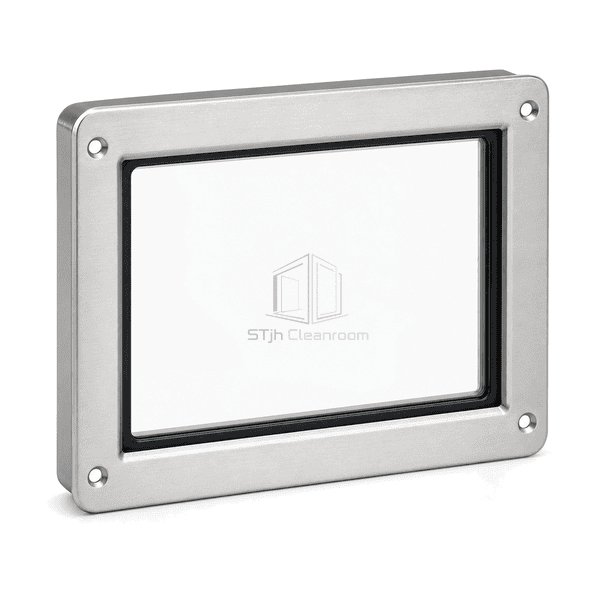
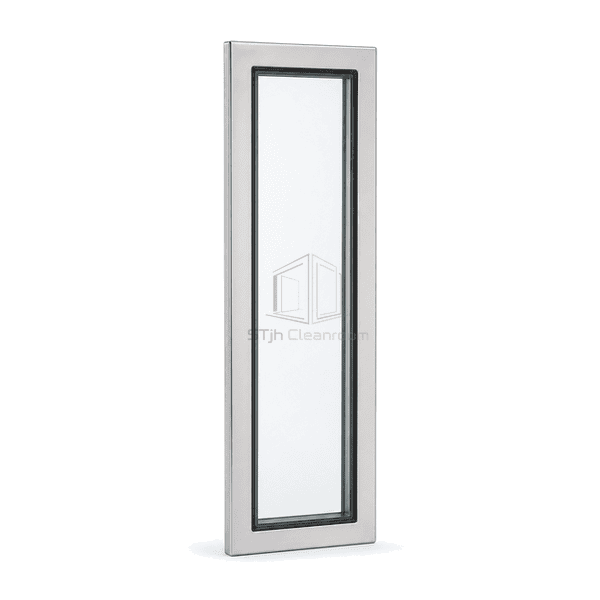
Add visibility between controlled spaces with observation and vision-panel options. Compare glazing, frame material, flushness and any special protection requirements for the opening.
Explore Products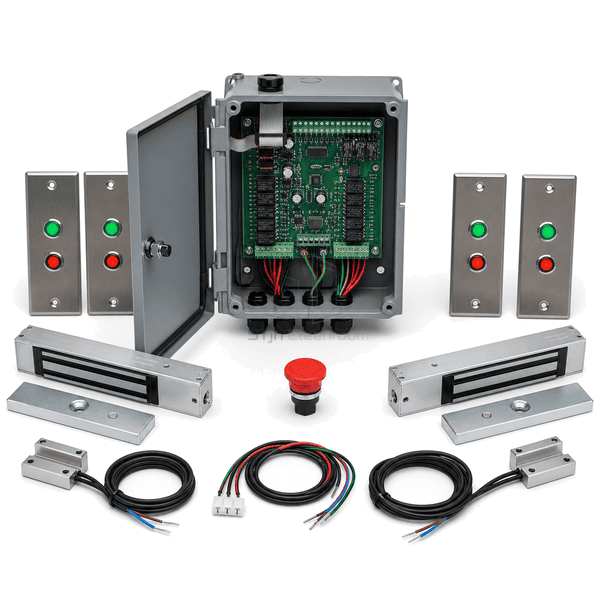
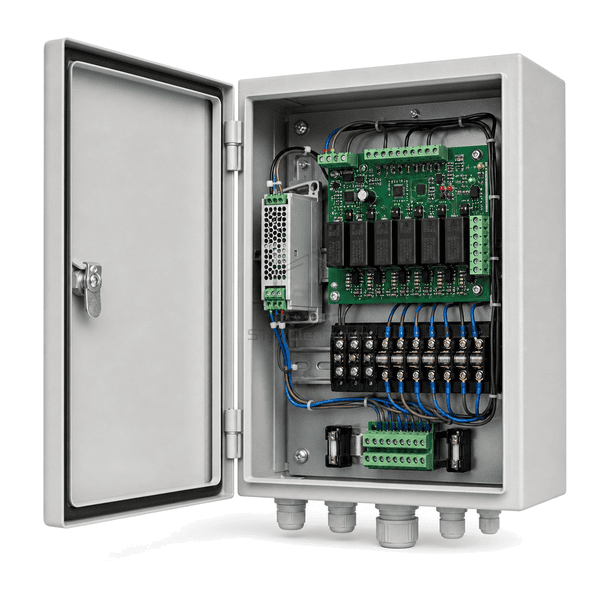
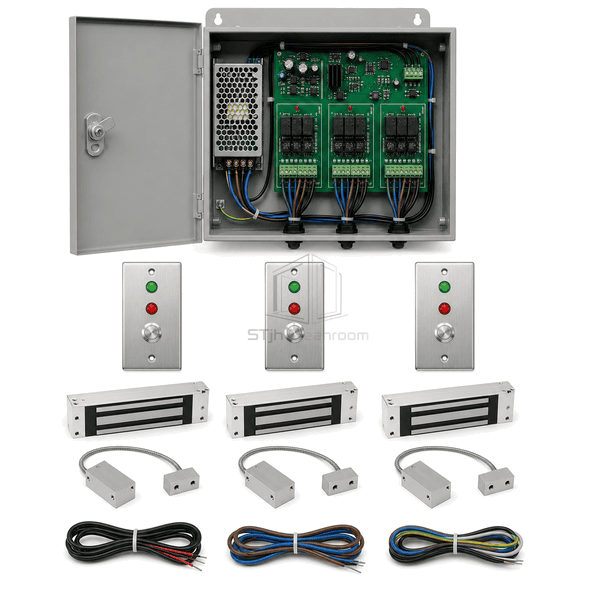
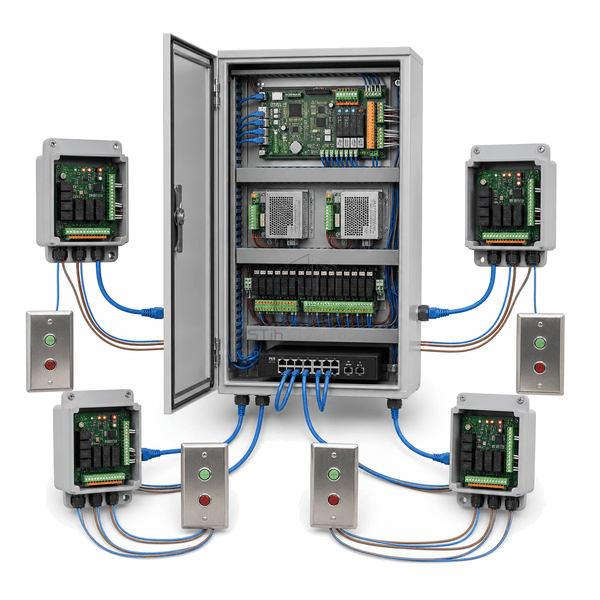
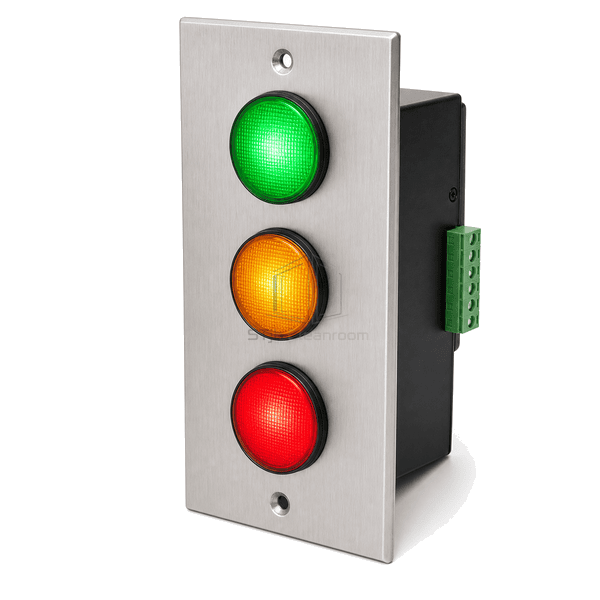
Manage door-opening sequences across connected rooms using suitable interlock controls. Define the number of doors, operating logic, status feedback and emergency-release requirements.
Explore Products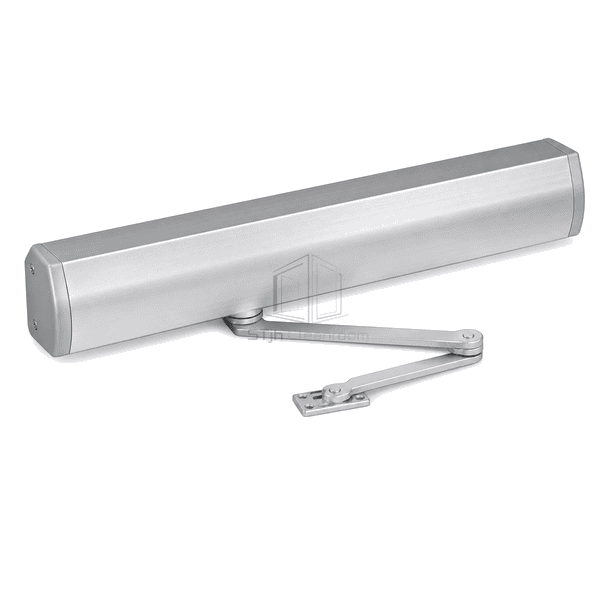
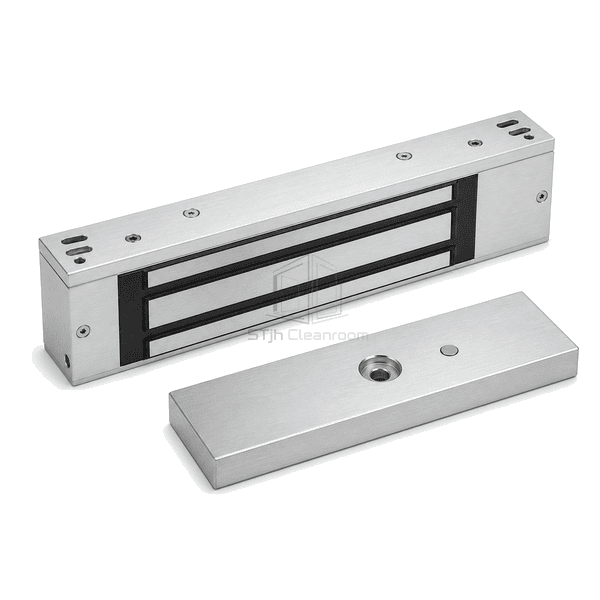
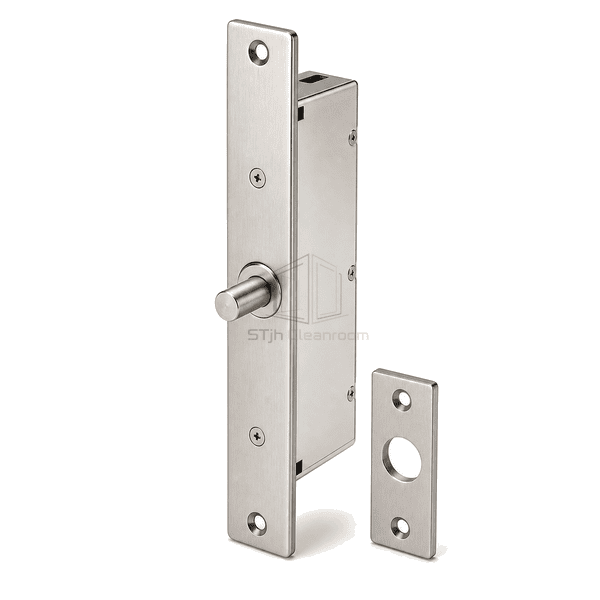
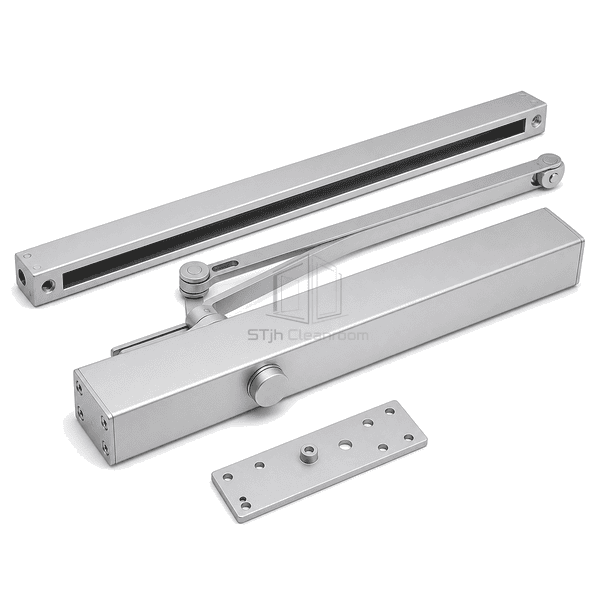
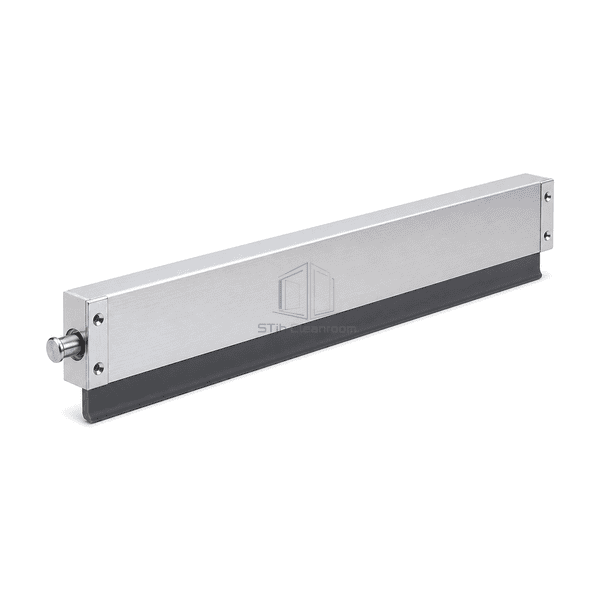
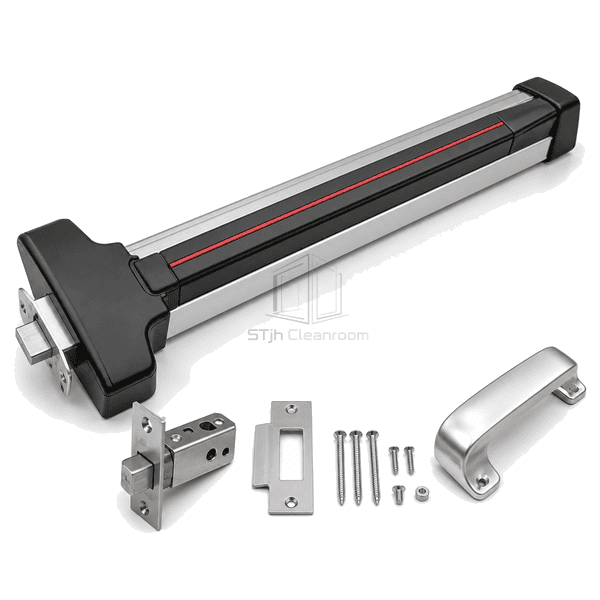
Match locks, closers, operators and drop seals to the selected door assembly. Consider power availability, door movement, holding requirements and safe release behavior.
Explore Products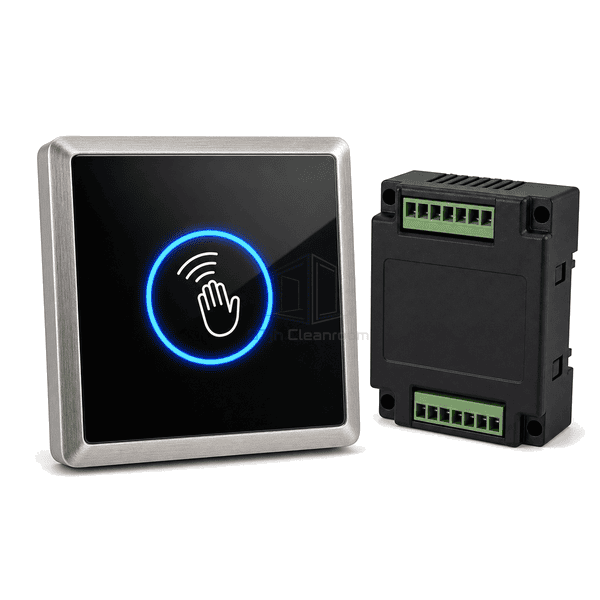
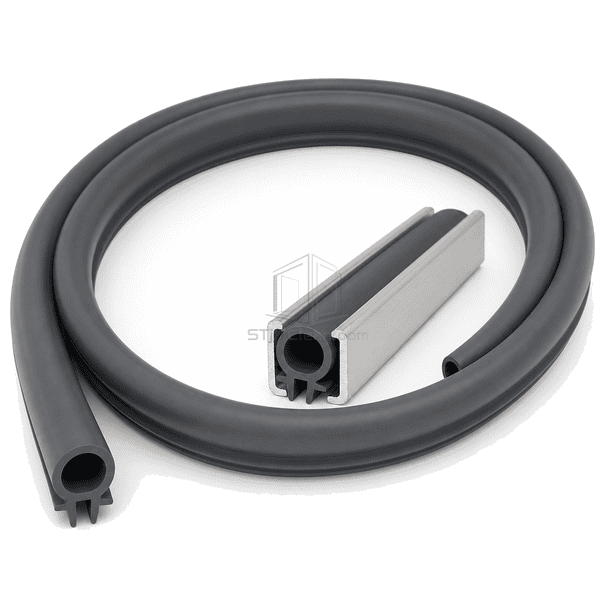
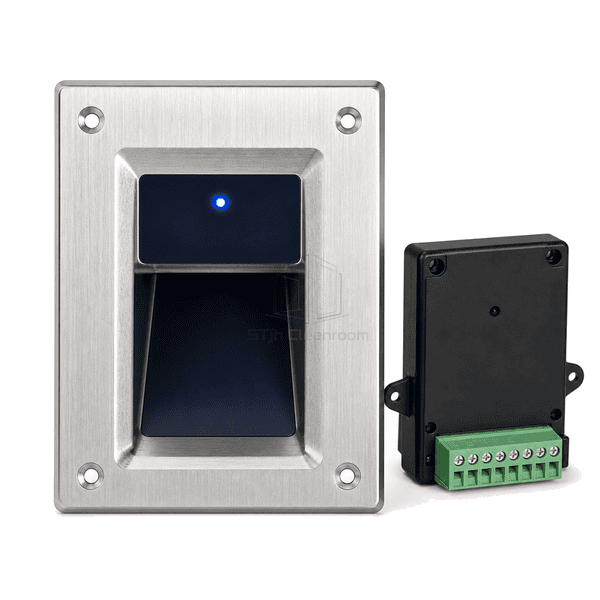
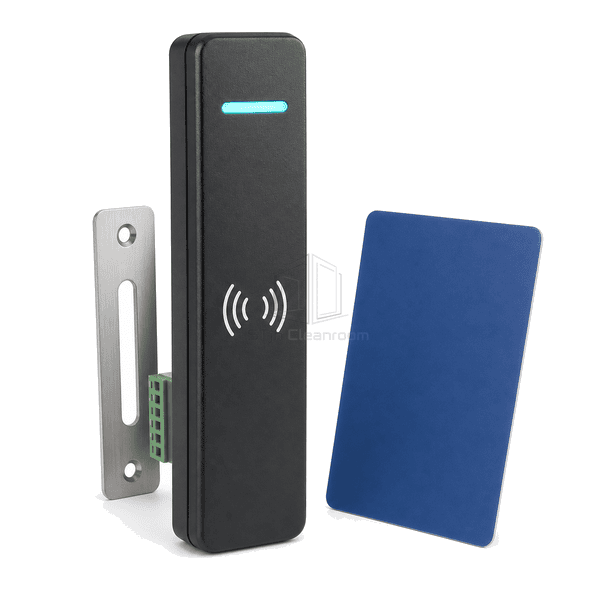
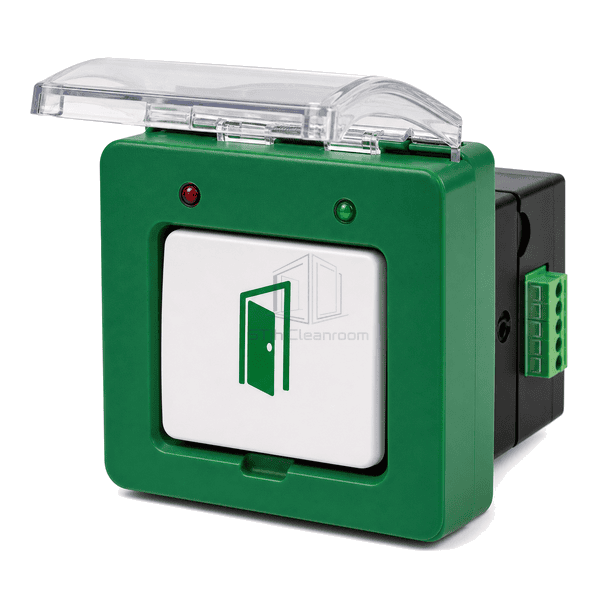
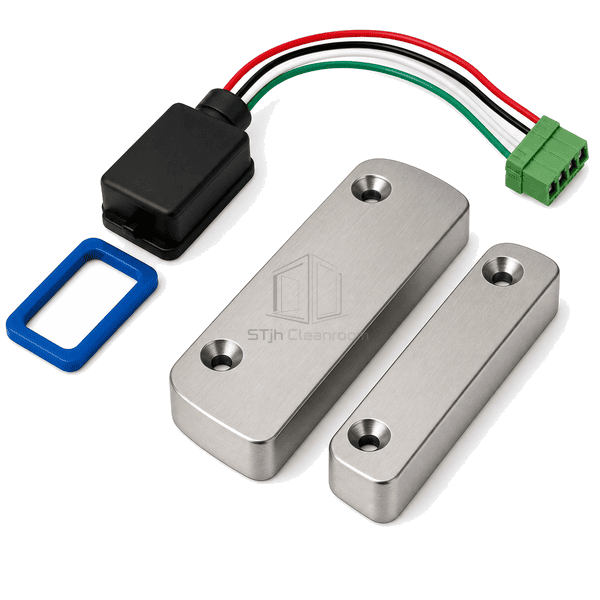
Complete the user interface and door feedback with gaskets, switches, indicators and sensors. Select compatible controls for the operating sequence and cleaning conditions at each entrance.
Explore ProductsCleanroom access points see frequent use and connect spaces with different operating needs. Door selection starts with what must pass through, but also includes the wall connection, cleaning exposure, door movement and required closing behavior. A suitable leaf without compatible frames, seals and hardware will not deliver a coherent access solution.
Swing doors suit many personnel entrances, while sliding arrangements can help where the opening path must remain clear. Hermetic designs address a defined sealing requirement; high-speed doors serve different traffic demands. Steel, stainless steel, HPL, FRP and glass options should be compared against the actual environment rather than chosen only for their appearance.
Interlocks manage an opening sequence, whereas access control determines who may enter. Both can be combined with door-position sensors, status lights and touchless switches, but emergency release and safe exit must remain part of the design. Windows add visibility without creating another doorway, with glazing and frame details selected for the adjoining construction.
Check the full clear opening and approach route, then compare single, double-leaf or sliding arrangements against the largest load.
Consider a suitable interlock sequence with position feedback, status indication and defined emergency release behavior.
Compare leaf materials, flush glazing, seals and surface hardware with the cleaning chemistry and frequency of use.
Review touchless or foot-operated switches and appropriate automatic operators while retaining safe closing and obstruction response.
Door, interlock and status-indication combinations supporting a defined sequence between adjoining room zones.
Larger swing or sliding openings selected around carts, production equipment and the space available for movement.
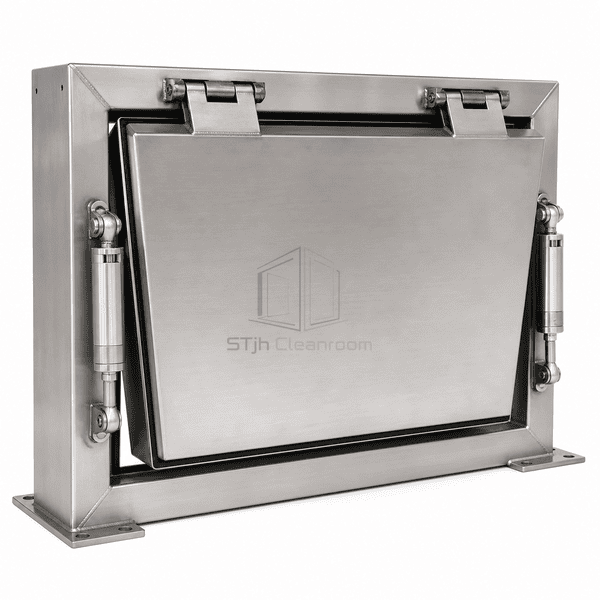
Flush windows and door vision panels for monitoring activity across room boundaries without routine entry.
No products match your selection. Try another product type or a shorter search term.
No. Interlocking controls when doors may open; sealing depends on the leaf, frame, gaskets and closing arrangement. Specify both the operating sequence and the required sealing duty.
Compare approach space, traffic, clear width, opening speed and maintenance access. Sliding doors need suitable lateral space, while swing doors need a safe sweep area. The best choice follows the route and operational needs.
No. Fire, radiation-shielding or explosion-related applications require the complete door assembly to meet the specific safety duty. Identify that duty at the start so the material, frame and hardware can be assessed together.
Send your door and window schedule, opening sizes and control requirements for a quotation covering the assemblies and hardware you need.