
 ภาษาอังกฤษ
 ภาษาเยอรมัน
 ภาษาอาหรับ
 ฝรั่งเศส
 ภาษาอินโดนีเซีย
 ภาษาญี่ปุ่น
 ภาษาเกาหลี
 ภาษามาเลย์
 ภาษาโปรตุเกส
 ภาษารัสเซีย
 ภาษาสเปน
 ภาษาไทยปัจจุบัน
 ภาษาตุรกี
 ภาษาเวียดนาม

อุปกรณ์ติดตั้งห้องสะอาด
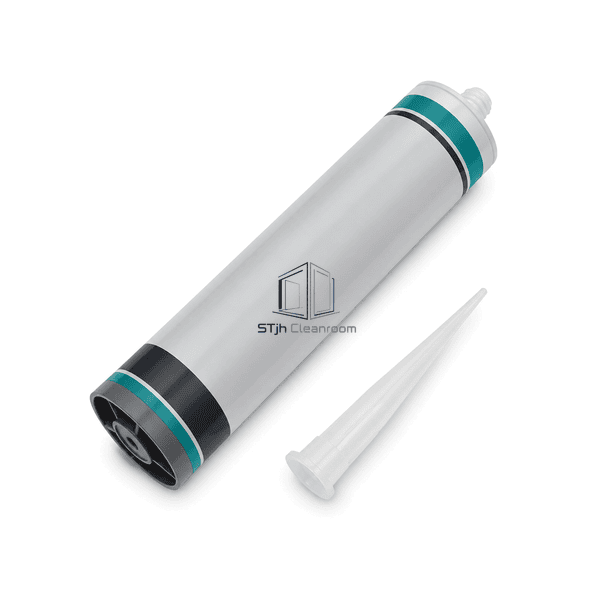
น้ํายาซีลซิลิโคนที่เป็นกลาง
A non-corrosive neutral-cure silicone for elastic sealing around cleanroom glazing, coated-metal frames and non-porous perimeter joints.
- Neutral Non-Corrosive Cure
- Glazing-Compatible Adhesion
- UV and Ozone Resistance
- Flexible Temperature Service
การแนะนําสินค้า
Neutral silicone sealant cures through atmospheric moisture without releasing the acidic by-products associated with acetoxy silicone. The formulation is suited to glass, anodized aluminum, coated steel and many common frame materials used around cleanroom windows and doors. After cure, the silicone rubber retains flexibility across temperature cycling and resists UV and ozone exposure at perimeter interfaces.
คุณสมบัติที่สําคัญ
Low-modulus silicone movement accommodates glazing and frame perimeter expansion.
Cured silicone maintains flexibility through wide routine temperature variation.
Resistance to ultraviolet light, ozone and moisture supports exposed perimeter joints.
ความกังวลของลูกค้าเกี่ยวกับผลิตภัณฑ์
Sensitive frame and glazing assemblies need an elastic seal that cures without attacking adjacent metals or coatings.
Acidic cure by-products can discolor or corrode susceptible metal interfaces.Neutral moisture curing avoids acetic-acid release and is selected for compatible glazing and frame substrates.
Glass and aluminum expand at different rates and tear rigid perimeter fillers.Low-modulus silicone sustains repeated movement while maintaining a continuous seal.
Sunlight and ozone embrittle unsuitable organic sealants at exterior frames.The silicone network provides durable resistance to UV radiation, ozone and weather exposure.
Contaminated joint flanks cause localized adhesion loss.Defined cleaning, masking and primer selection produce consistent two-sided adhesion.
การใช้งานทั่วไป
Cleanroom observation-window perimetersAluminum door-frame jointsGlass-to-metal glazing sealsCoated-panel perimeter jointsInterior and exterior frame weather seals
พารามิเตอร์ทางเทคนิค
Typical construction and application ranges for a one-part neutral-cure silicone glazing sealant are shown below.
| วัสดุหลัก | One-component alkoxy neutral-cure silicone elastomer |
|---|---|
| ความหนาของแผง | 3-15 mm recommended cured seal depth |
| ความกว้างที่มีประสิทธิภาพ | 6-25 mm typical glazing or perimeter joint width |
| ความยาวสูงสุด | Up to 10000 mm continuous prepared perimeter section |
| ความหนาของเหล็กหันหน้า | 0.50-1.50 mm compatible coated-steel frame or panel facing |
| ความหนาแน่นหลัก | Approximately 1300-1550 kg/m³ uncured sealant density |
| การนําความร้อน | Approximately 0.20-0.30 W/(m·K) for cured silicone rubber |
| เสร็จสิ้นพื้นผิว | Smooth tooled silicone surface in translucent, white, gray or black |
| ประเภทร่วม | Two-sided glazing, butt or perimeter joint over non-adhering backing material |
| การปรับแต่ง | สามารถใช้ได้ตามแอปพลิเคชันที่ตั้งใจไว้และสภาพแวดล้อมการทํางาน |
ตัวเลือกที่มีอยู่
Translucent, white, gray or blackLow-modulus weatherseal gradeCompatible glazing primer300 mL cartridge or 600 mL foil pack
Planning a Neutral Silicone Sealant specification?
ส่งมิติของคุณเงื่อนไขการติดตั้งเป้าหมายประสิทธิภาพและผิวที่ต้องการ