 日本語
日本語 ドイツ人。
ドイツ人。 アラビア語:アラビア語
 フランス語で
 インドネシア語
 日本語で。流れ
 韓国語
韓国語 マレー語
マレー語 ポルトガル語
 ロシア語
ロシア語 スペイン語
スペイン語 タイ語
タイ語 トルコ語
トルコ語 ベトナム語
ベトナム語Routine sampling leaves important surfaces or activities unassessed.
Combine suitable air samplers, contact plates and swabs to cover the locations defined in your risk-based monitoring plan.



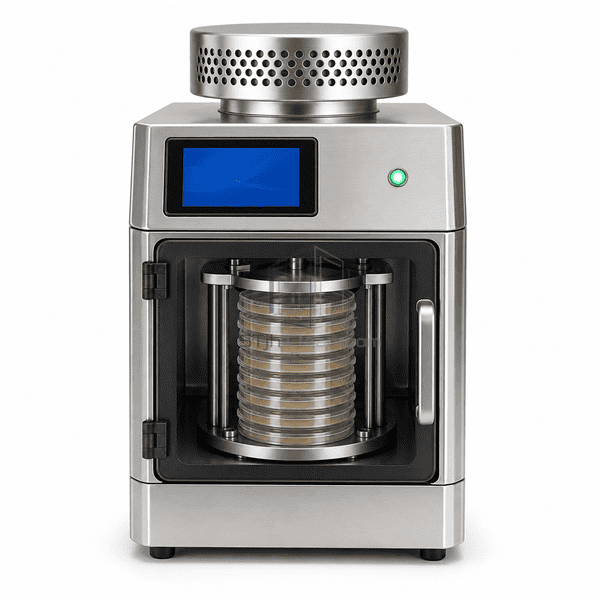
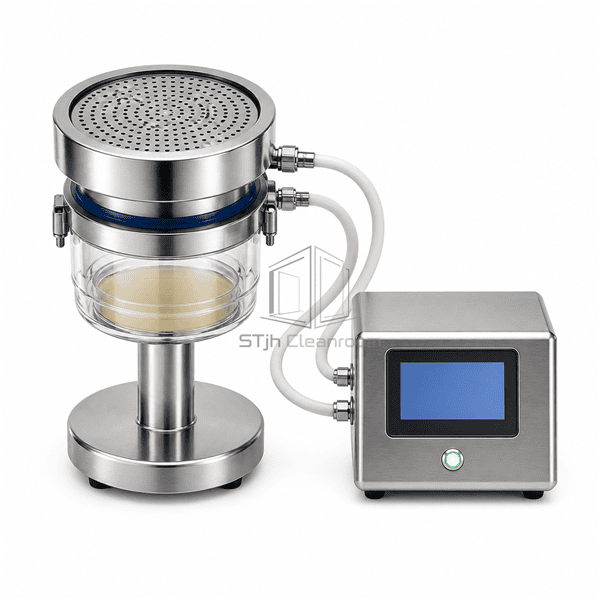
Support your contamination-control program with equipment for air, surface and compressed-gas microbial monitoring. Compare viable air samplers, plates, sampling consumables and laboratory support tools around your sampling plan. By matching collection methods to the locations and activities you need to assess, you can build a clearer picture of environmental trends and focus investigations where they matter most.
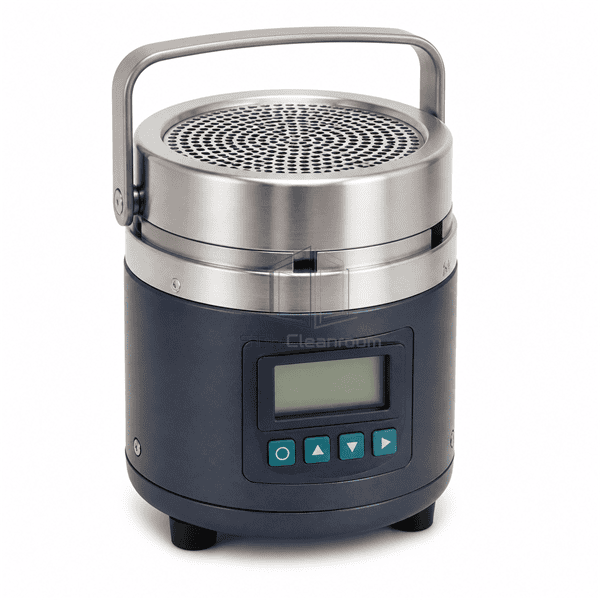
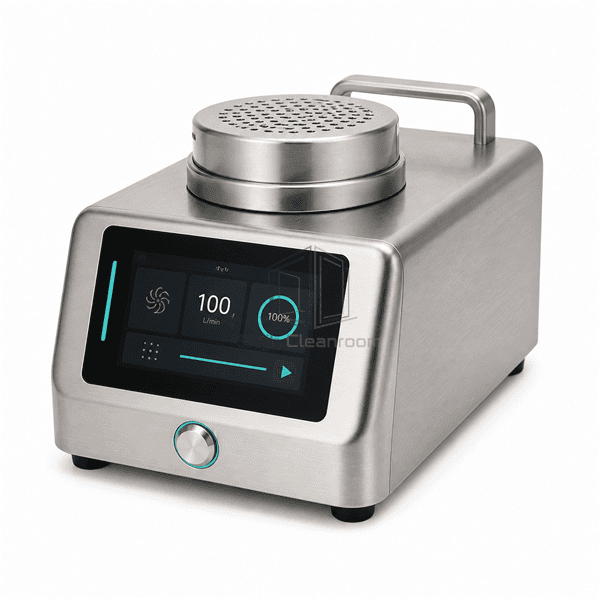
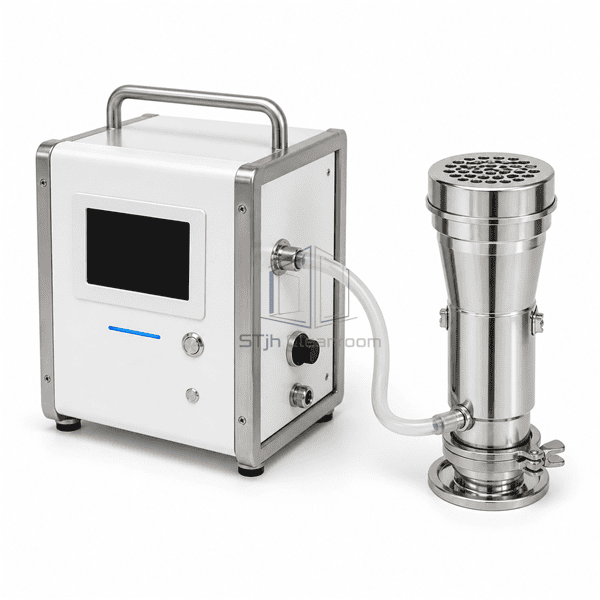
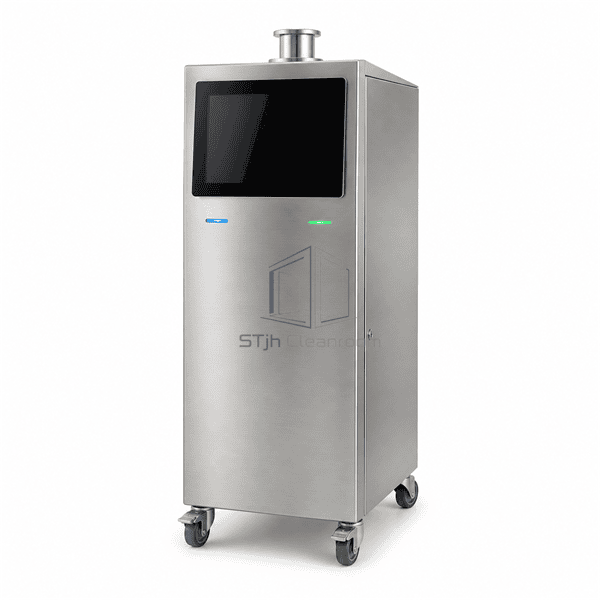
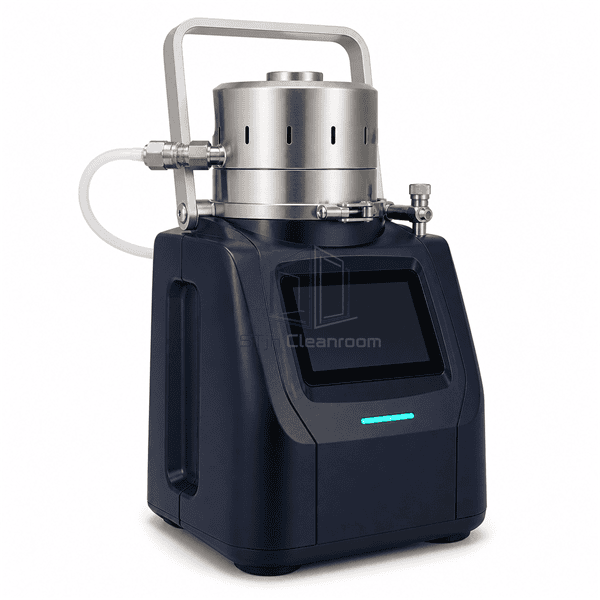
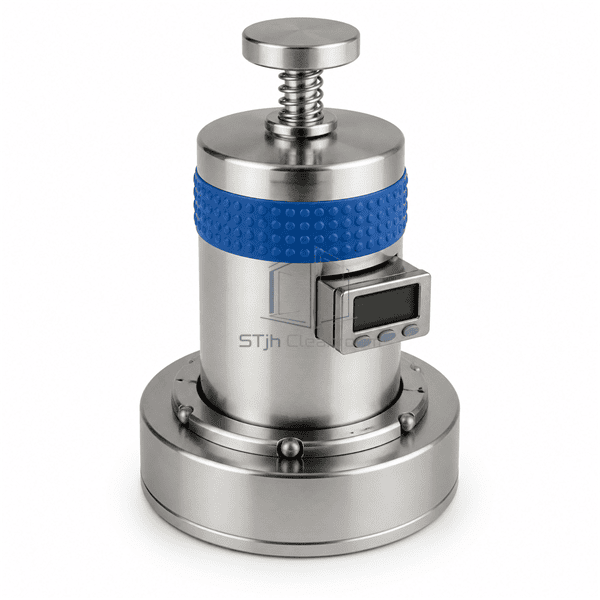
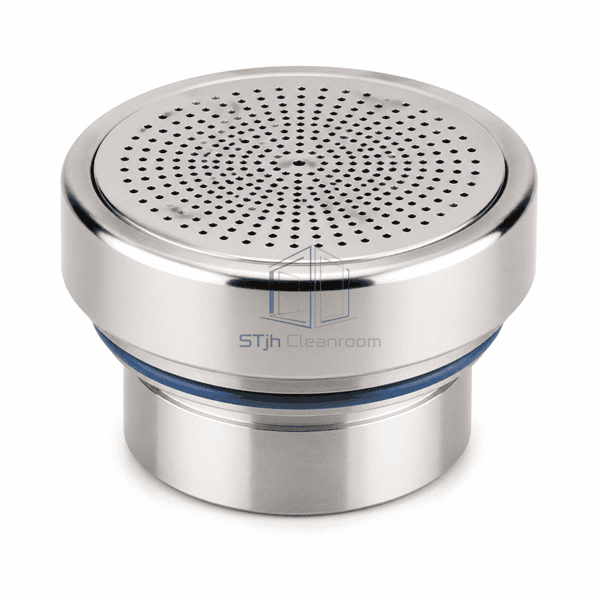
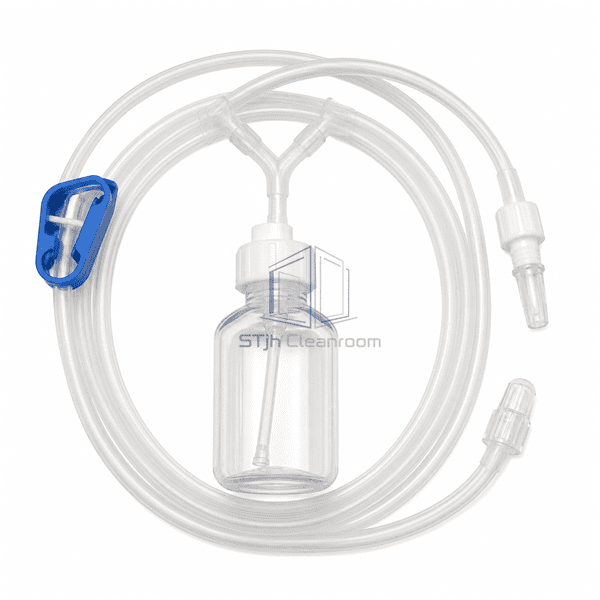
Collect viable samples from room air or compatible compressed gases. Compare portable and remote arrangements by sample volume, media format and the practical access available at each monitoring point.
Explore Products
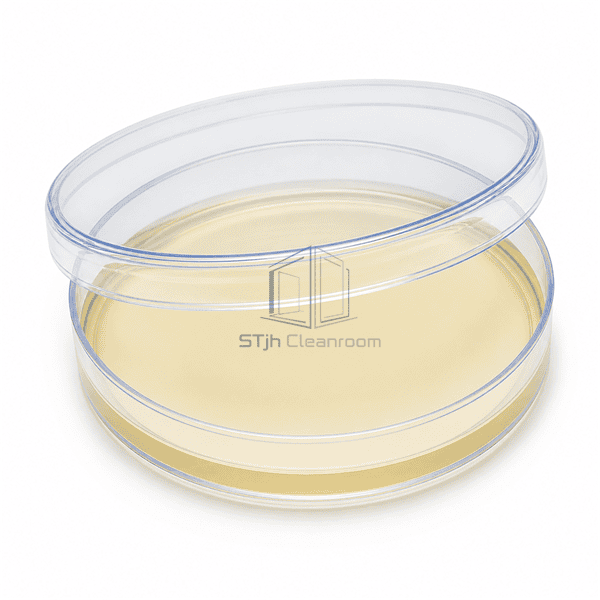
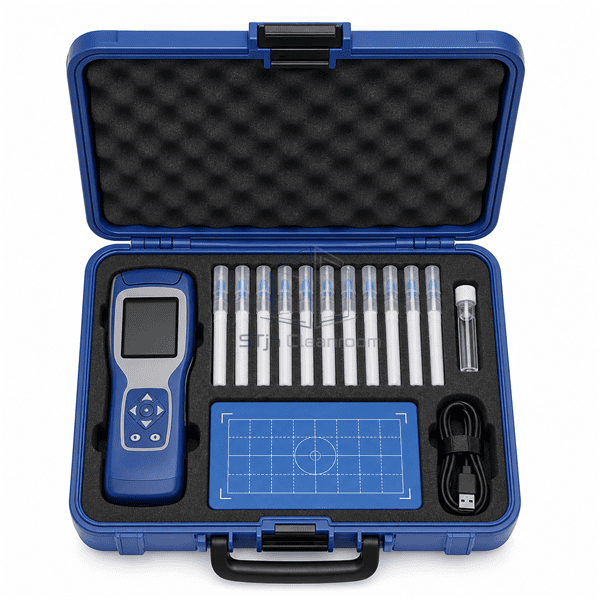
Assess surfaces and passive deposition using plates, swabs and associated sampling supplies. Choose collection media and formats appropriate to the surface shape, sampled area and laboratory method.
Explore Products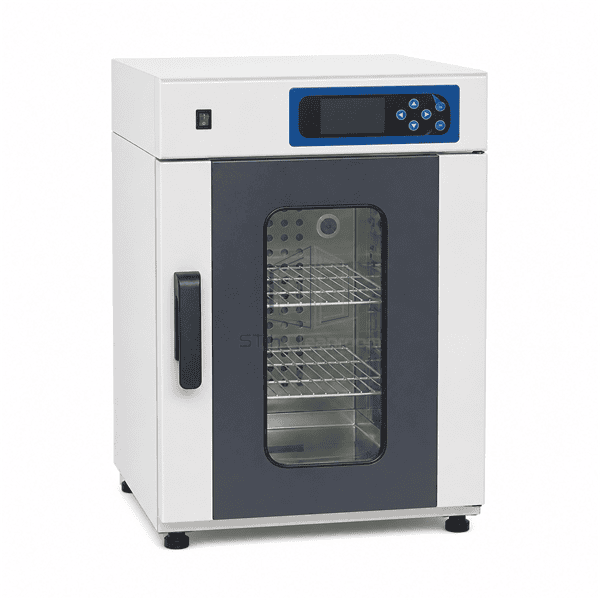
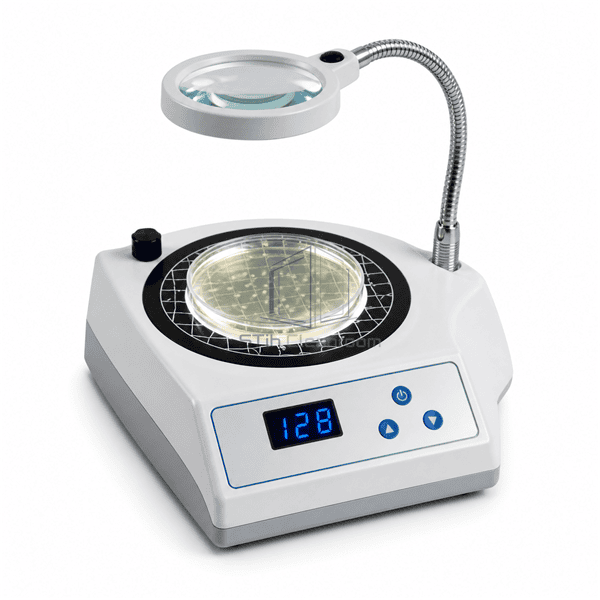
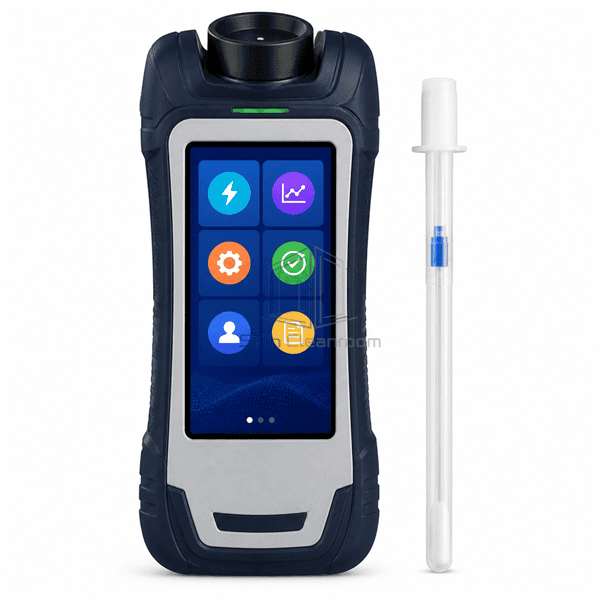
Support sample incubation and colony assessment, or perform separate rapid hygiene checks. Select capacity and workflow carefully, recognizing that ATP readings and culture results serve different purposes.
Explore Products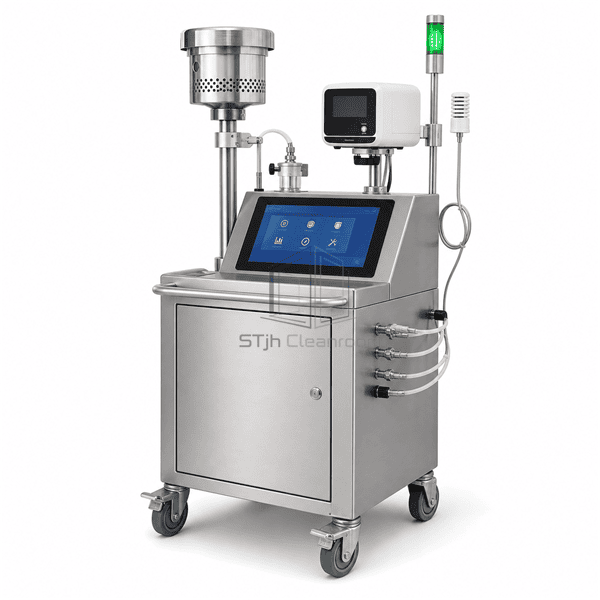
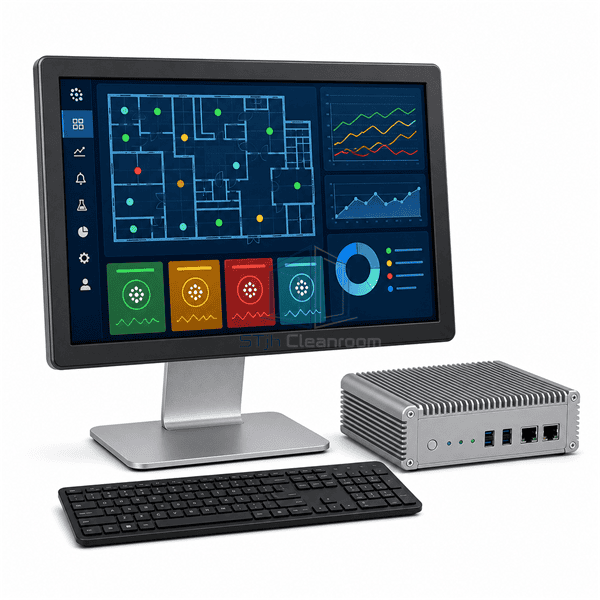
Organize sampling around stations, enclosures and data workflows. Compare automated media handling and monitoring software functions with the actual sampling sequence and result review needs of your facility.
Explore ProductsMicrobial monitoring helps assess contamination at defined locations and times. Active air sampling, settle plates and surface sampling collect different types of evidence; they are complementary tools rather than interchangeable versions of the same test.
For purchasing, consider the entire sample journey. The sampler head, collection media, transfer method, incubation capacity and result identification all influence how workable the routine will be for operators and laboratory staff.
STjh brings sampling equipment and supporting supplies into one product range. Whether you are organizing routine room checks or sampling within an enclosure, start with the location, method and handling restrictions so the chosen equipment supports the monitoring plan.
Combine suitable air samplers, contact plates and swabs to cover the locations defined in your risk-based monitoring plan.
Consider remote heads, compact samplers or isolator sampling arrangements with appropriate media access and sample routing.
Specify clear sample identification, compatible recording tools and software functions that fit the laboratory's review process.
Keep ATP hygiene checks and culture-based microbial methods distinct, selecting each tool for the question it is intended to answer.
Support planned viable sampling around processing areas with equipment chosen for the local intervention constraints.
Collect air and surface samples to evaluate microbial trends during routine operations and cleaning review.
Equip sample incubation, colony counting and result organization alongside the collection instruments.
No products match your selection. Try another product type or a shorter search term.
No. Settle plates collect organisms that deposit onto the exposed media over time. Active samplers draw a defined air volume through a collection system. Their results describe different sampling conditions and should be interpreted within the monitoring program.
Not as a direct equivalent. ATP testing indicates biological residue under its test conditions, whereas culture methods assess organisms recovered on the chosen media. Use the method suited to the decision you need to make.
Include the sampling method, required volume, operating location, preferred media format and whether the instrument must connect to a central monitoring system. For compressed gas, also identify the gas and sampling pressure.
Share your sampling locations, methods and media requirements. We can help assemble a coordinated quotation for collection instruments and supporting supplies.