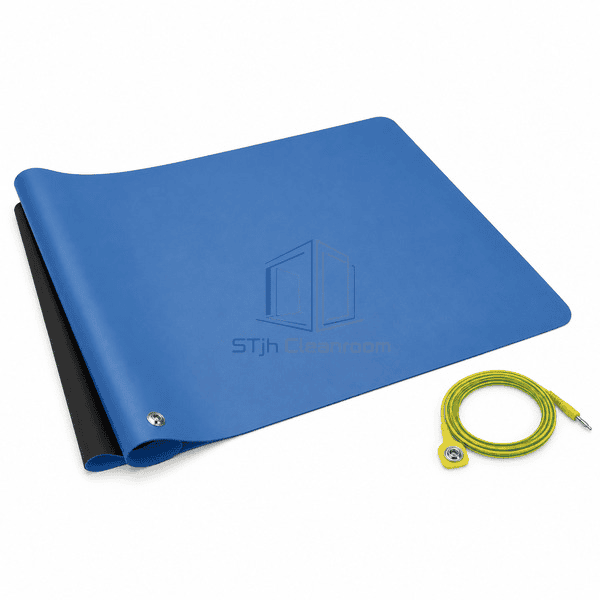
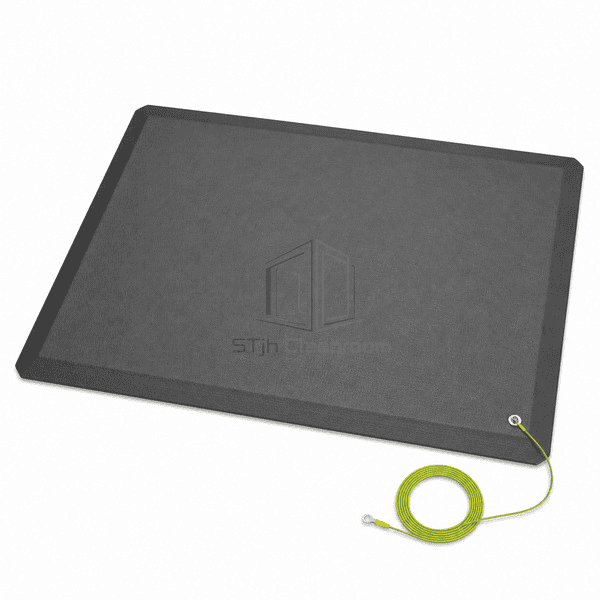
Individual ESD items are installed but not connected as a system.
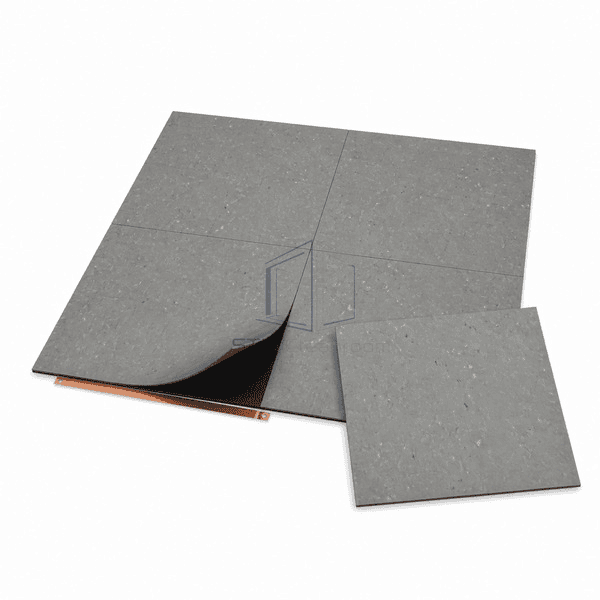
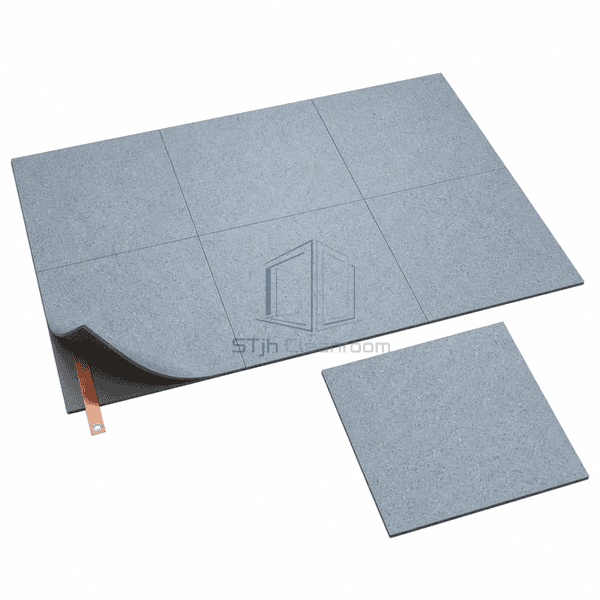
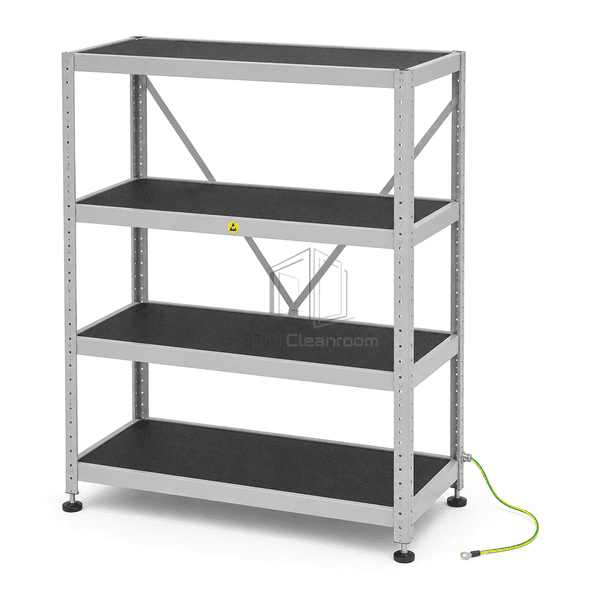
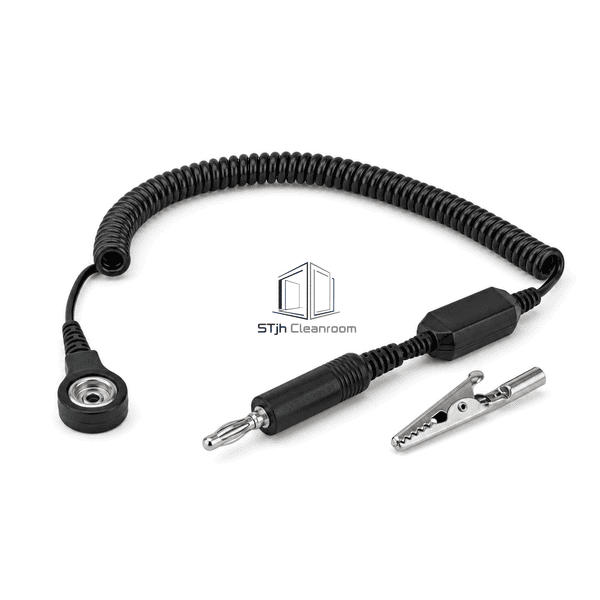
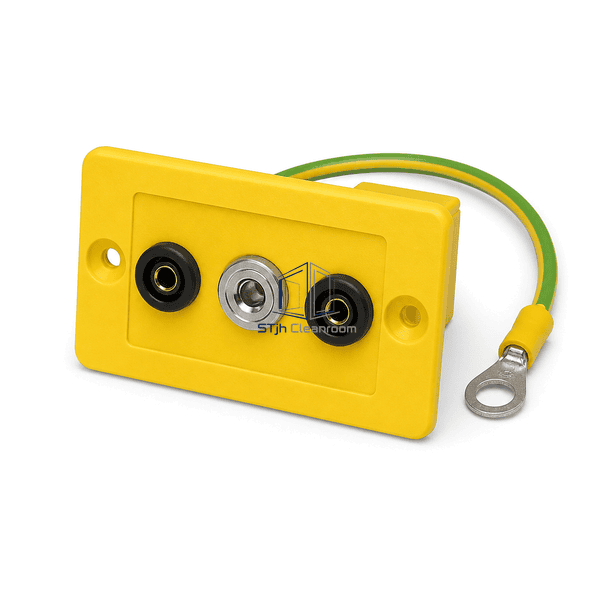
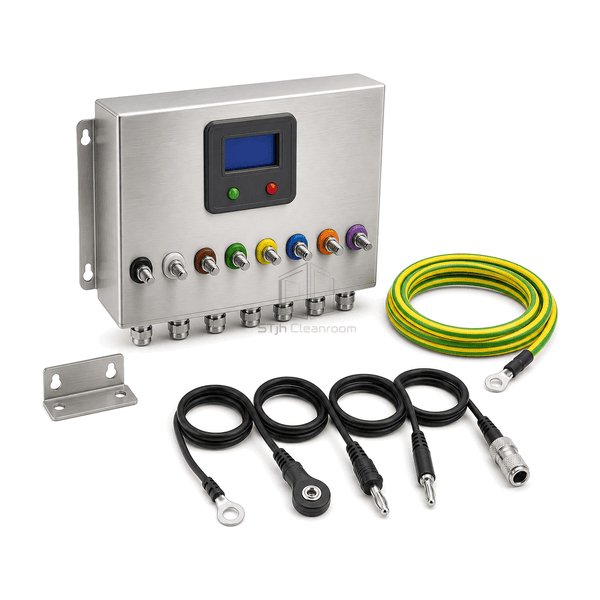
Coordinate compatible grounding points, cords, work surfaces and personnel connections for the intended work area.

 Tiếng Anh
 Tiếng Đức, tiếng Đức
 Tiếng Ả Rập, tiếng Ả Rập
 Tiếng Pháp, tiếng Pháp
 Tiếng Indonesia (tiếng Việt)
 Tiếng Nhật
 Tiếng Hàn / tiếng Hàn
 Tiếng Mã Lai
 Tiếng Bồ Đào Nha, tiếng Bồ Đào Nha
 Tiếng Nga, tiếng Nga
 Tiếng Tây Ban Nha, tiếng Tây Ban Nha
 Tiếng Thái (tiếng Thái)
 Tiếng Thổ Nhĩ Kỳ, tiếng Thổ Nhĩ Kỳ
 Tiếng Việt / tiếng ViệtHiện tại

Help protect static-sensitive components with coordinated workstations, personnel grounding, ionization and packaging. Explore ESD products for assembly, inspection and material movement, selecting each item for its role in the static-control system. From a single bench to linked handling areas, bring grounding, charge neutralization and verification together so static control remains part of the everyday workflow.
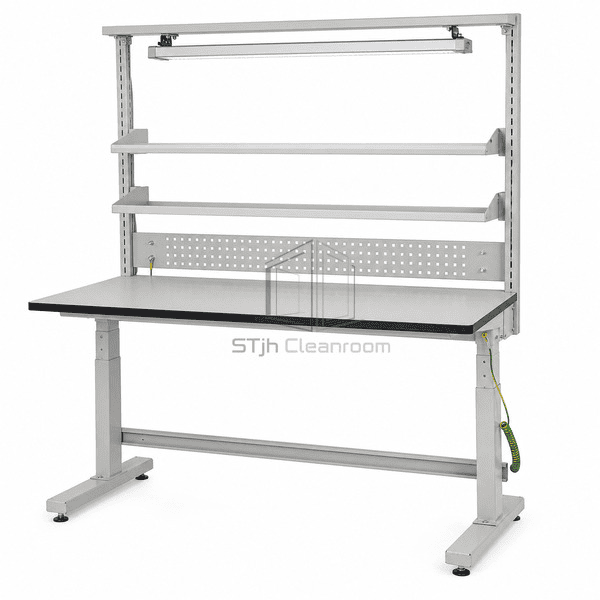
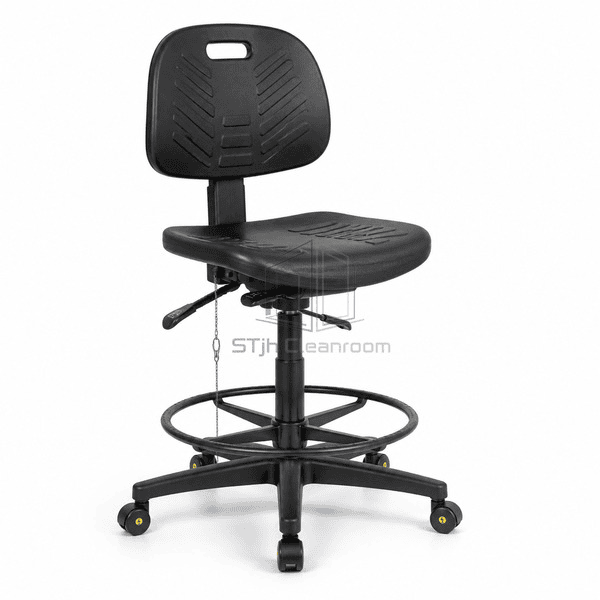
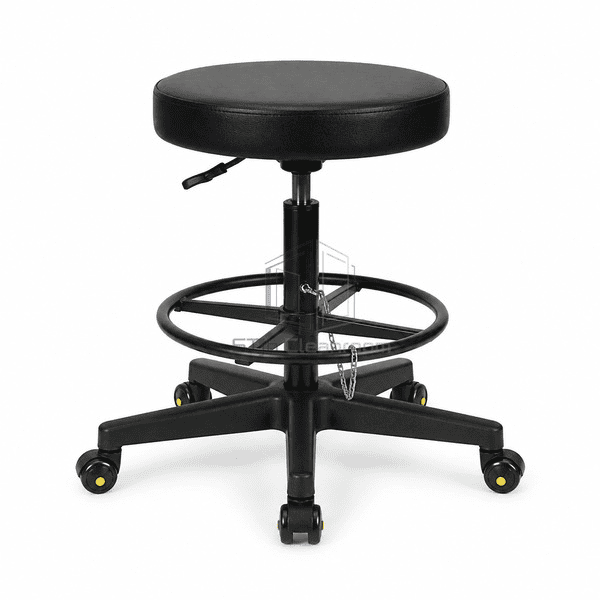
Equip the workspace with benches, seating and surfaces chosen for static-sensitive handling. Consider operator movement, grounding connections, floor compatibility and cleanability when comparing the available configurations.
Explore Products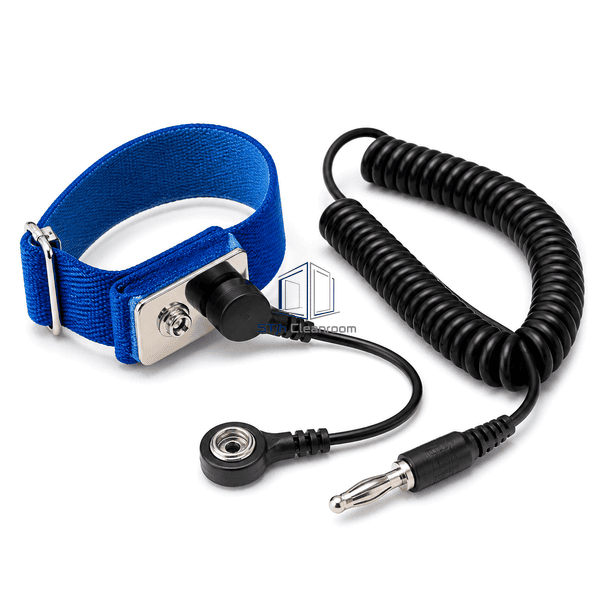
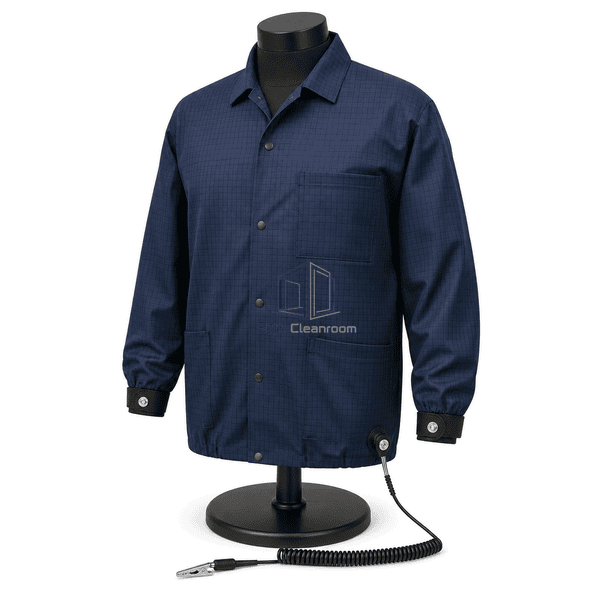
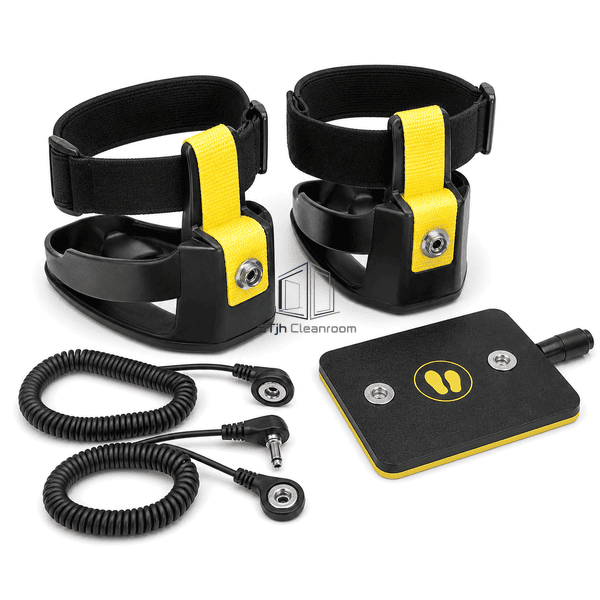
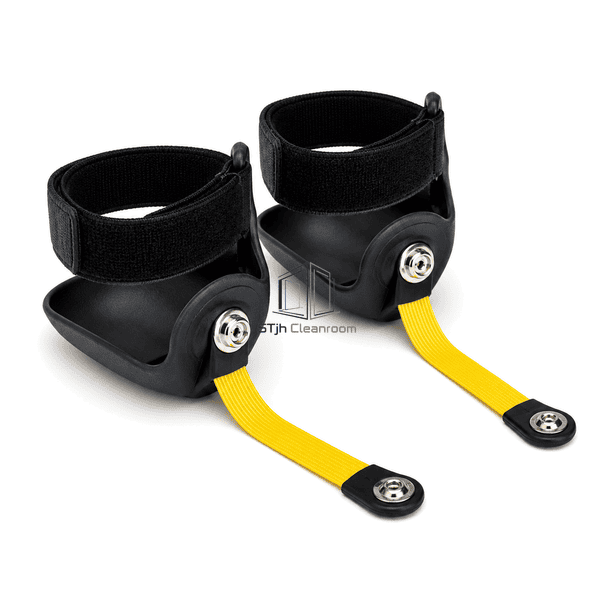
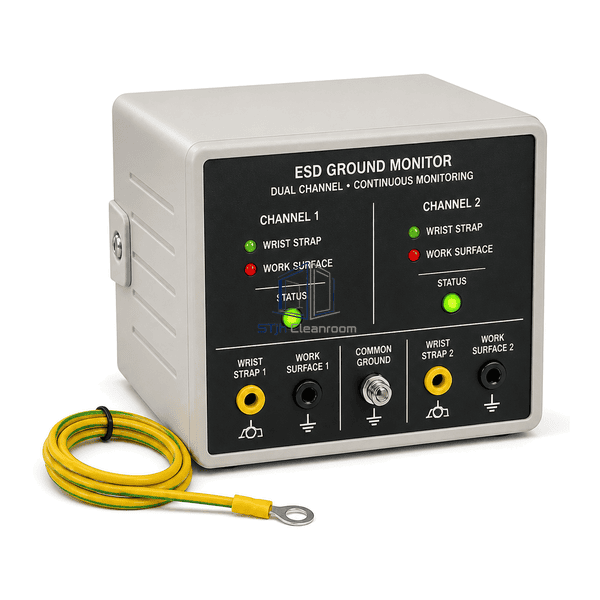
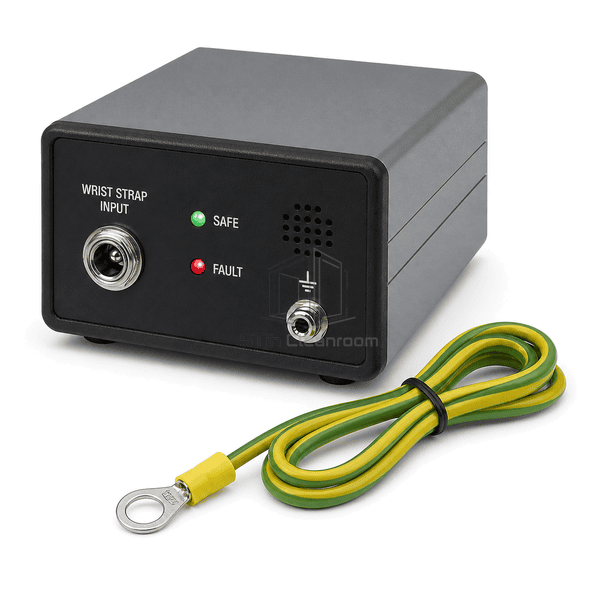
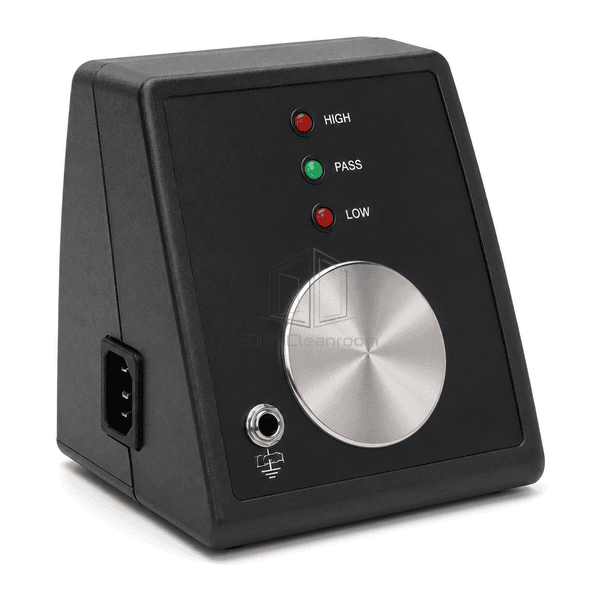
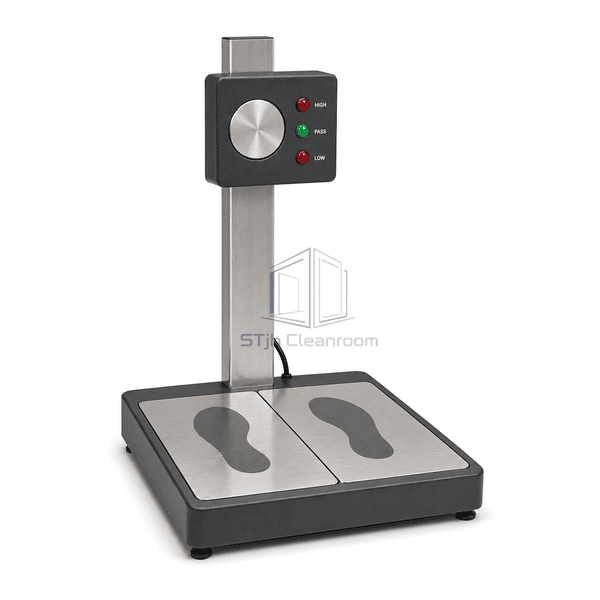
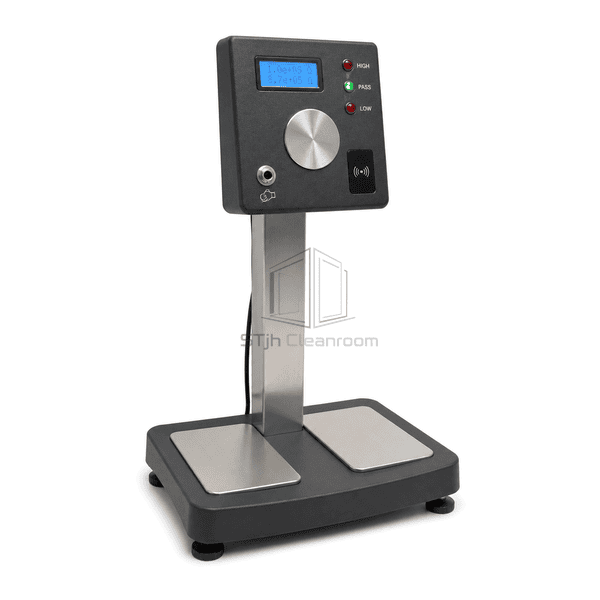
Connect personnel grounding with the way operators work. Compare straps, footwear interfaces, testers and monitors, using compatible connections and safe practices for the electrical environment.
Explore Products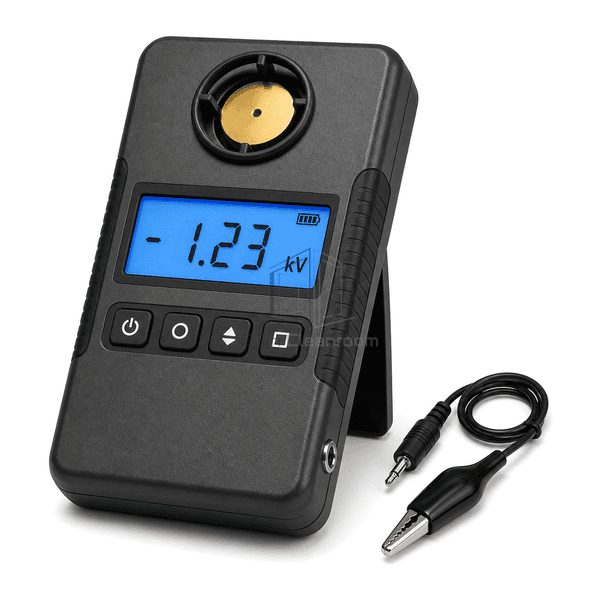
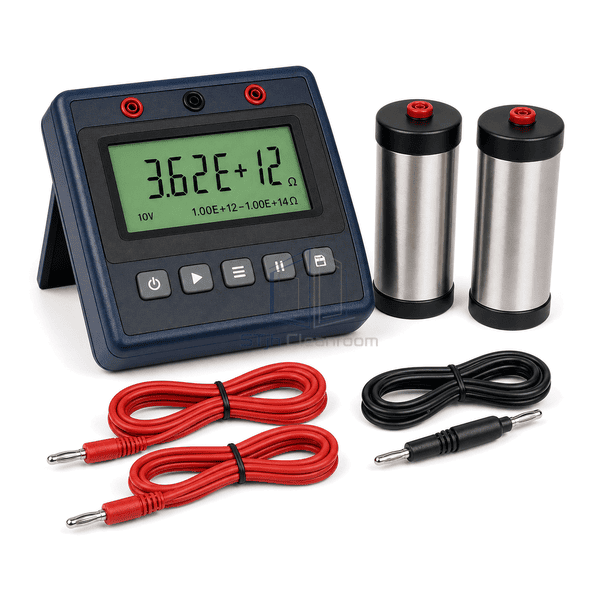
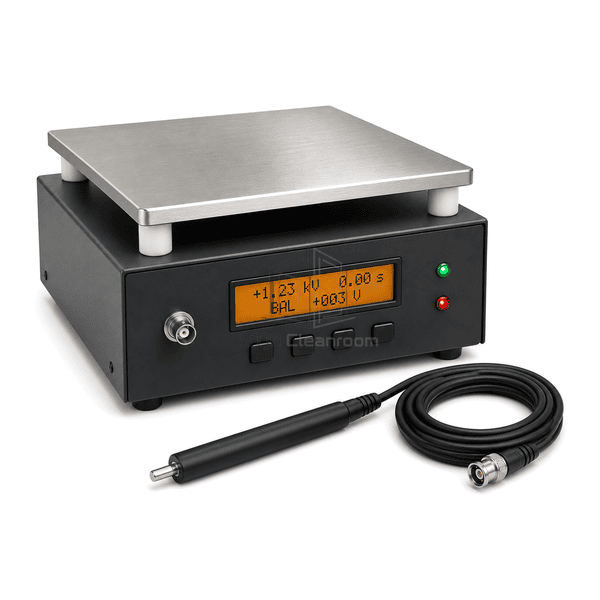
Check electrostatic fields, resistance and ionizer performance with instruments suited to each measurement. Define the test method and required range before choosing a meter or charge plate monitor.
Explore Products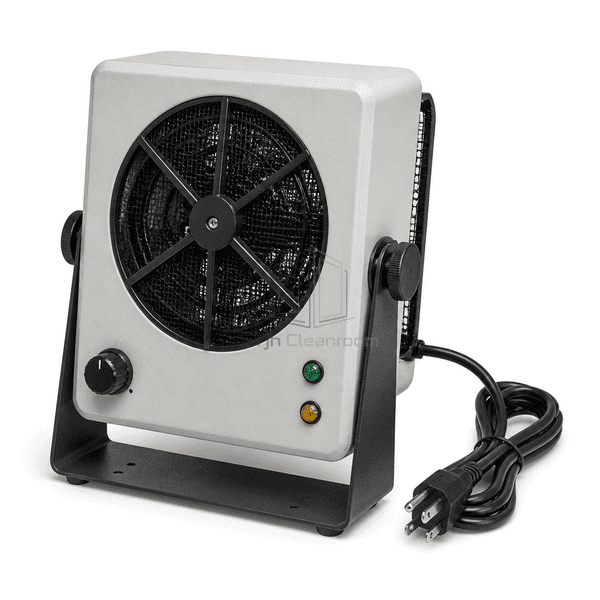
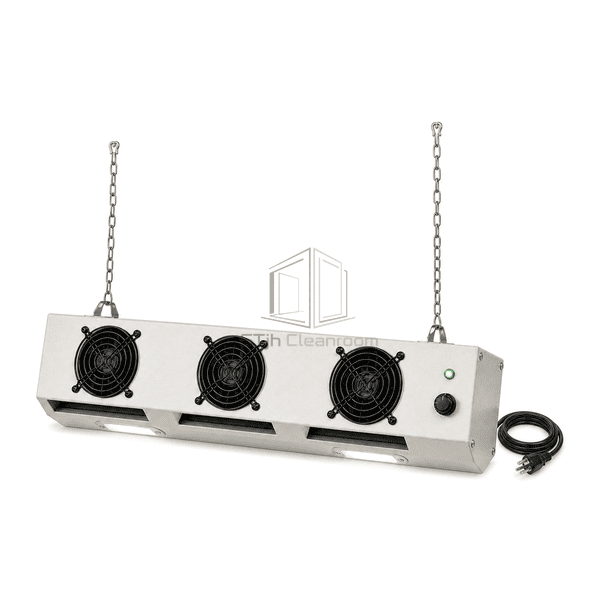
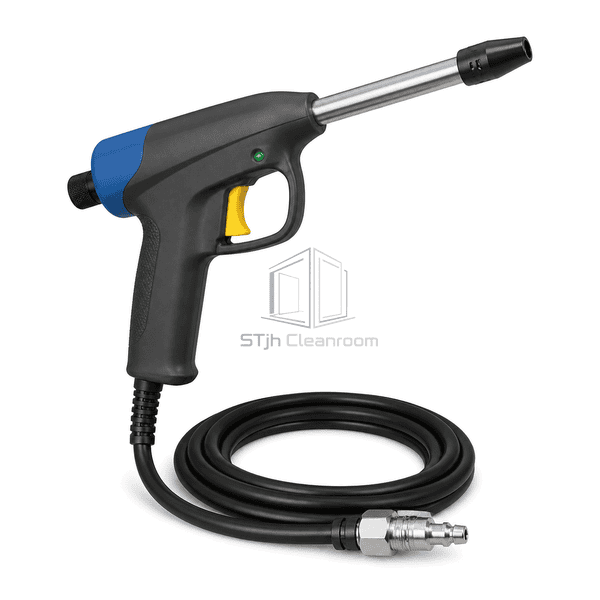
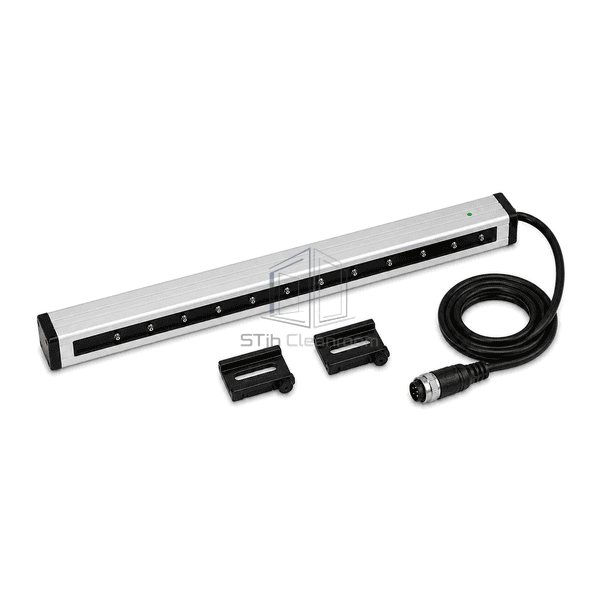
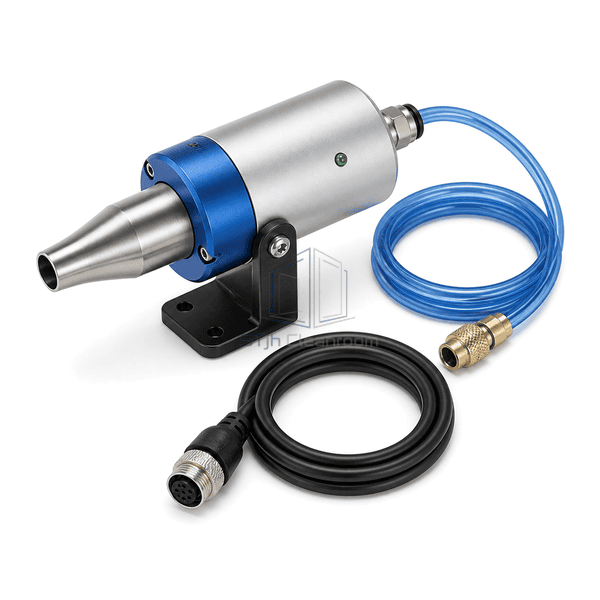
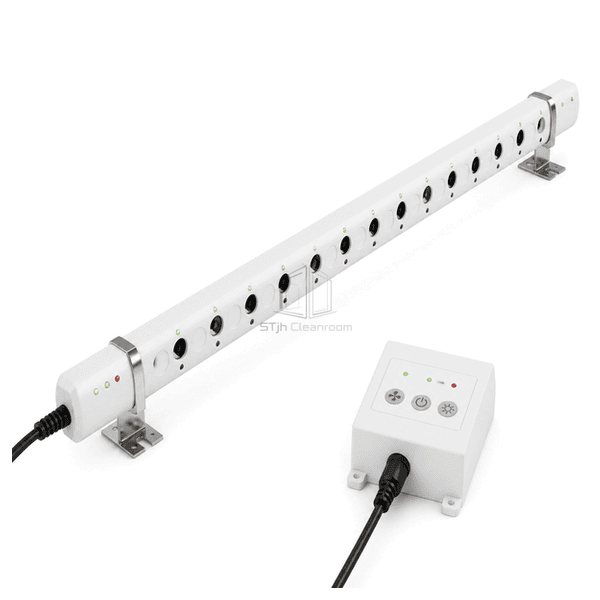
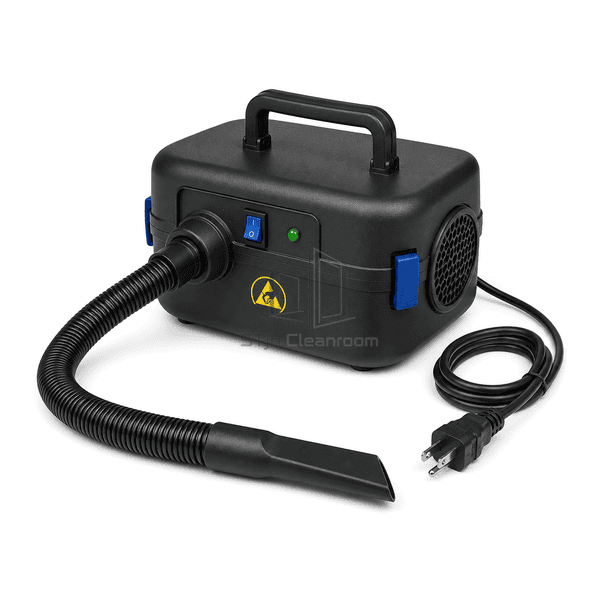
Neutralize charge on necessary insulating items near sensitive processes. Match blower, bar, gun or nozzle arrangements to work distance, coverage, air supply and the cleanliness of the application.
Explore Products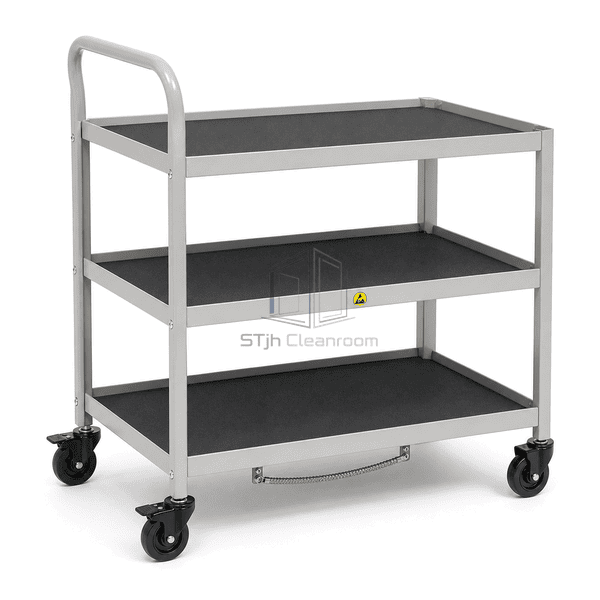
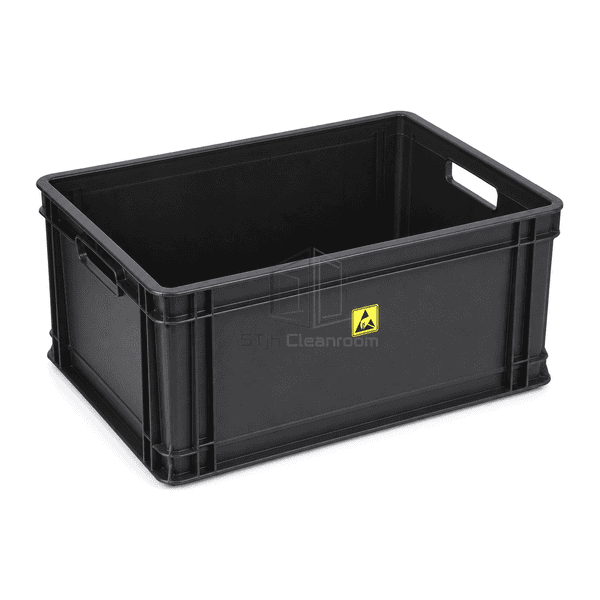
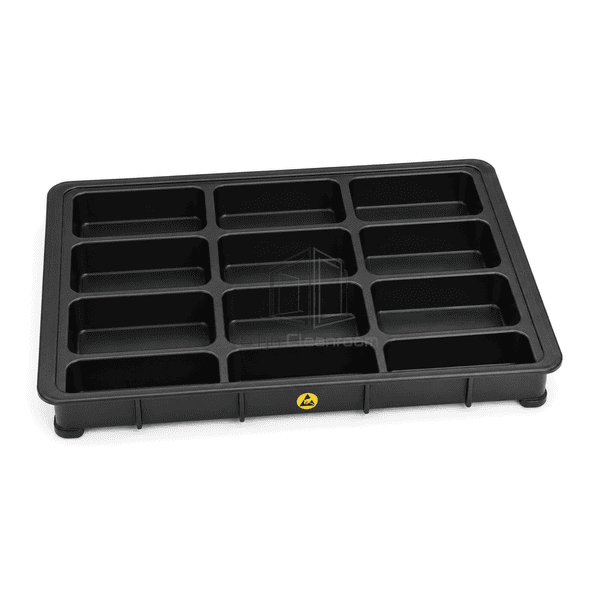
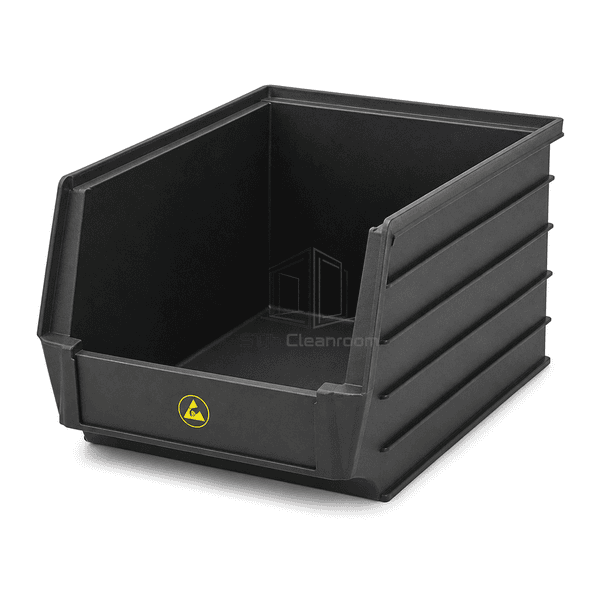
Organize static-sensitive parts between production steps using suitable containers and mobile storage. Compare contact materials, grounding continuity where required, dimensions and compatibility with the existing handling system.
Explore Products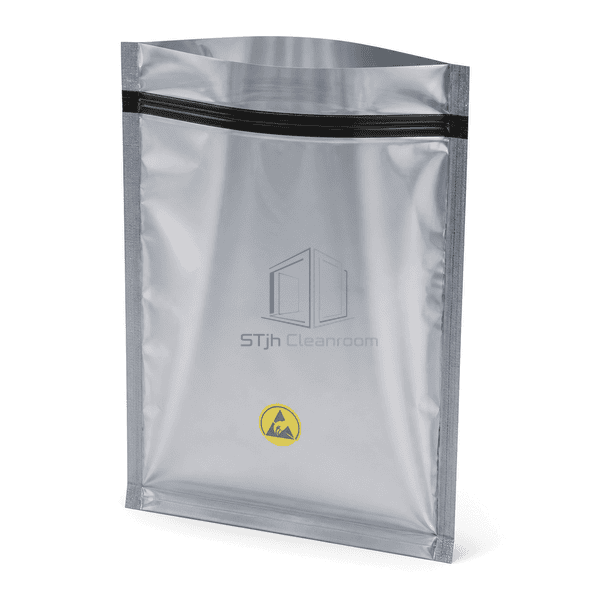
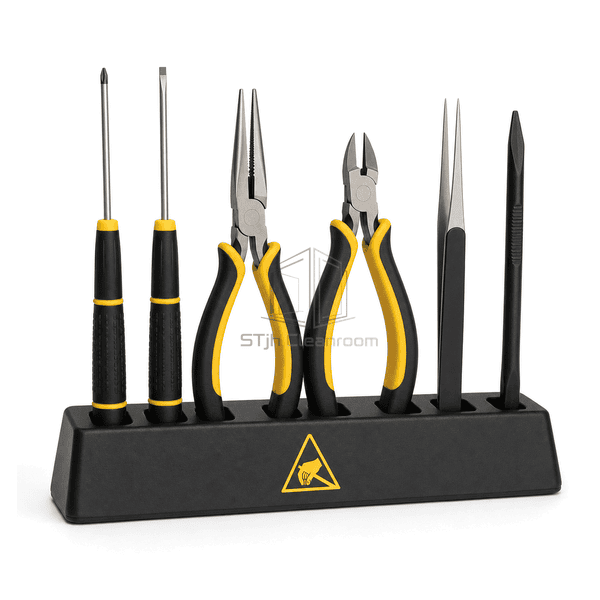
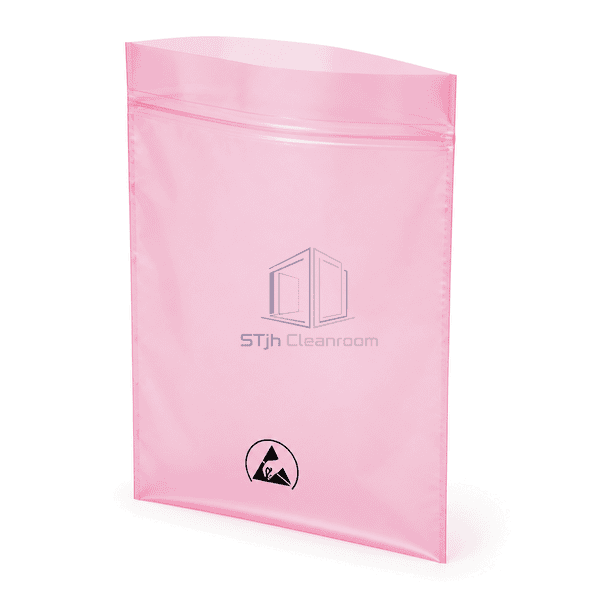
Extend static-control practices to maintenance, cleaning and product packing. Select tools and packaging for their actual function, distinguishing low charging, dissipative behavior and shielding where relevant.
Explore ProductsA static-control product works as part of a system. A mat needs the intended grounding connection; footwear needs a compatible floor; packaging must suit the journey between protected areas. Selecting these interfaces together helps avoid weak points between otherwise suitable products.
Grounding and ionization solve different problems. Conductive and dissipative items can be connected through appropriate grounding arrangements, while unavoidable insulators may require charge neutralization. Airflow, work distance and process cleanliness matter when choosing an ionizer.
STjh offers the furniture, handling accessories, testing tools and packaging needed to organize an ESD purchasing list. Describe the component sensitivity, operator activities and transfer route so the selection reflects the work rather than a collection of disconnected accessories.
Coordinate compatible grounding points, cords, work surfaces and personnel connections for the intended work area.
Consider suitable ionization at the working location, with coverage and verification matched to the fixture and process.
Choose compatible trays, totes, trolleys and protective packaging for the full handling and storage route.
Add personnel testers or continuous monitors where appropriate and select instruments for the planned verification routine.
Coordinate personnel grounding and work surfaces where exposed static-sensitive components are handled.
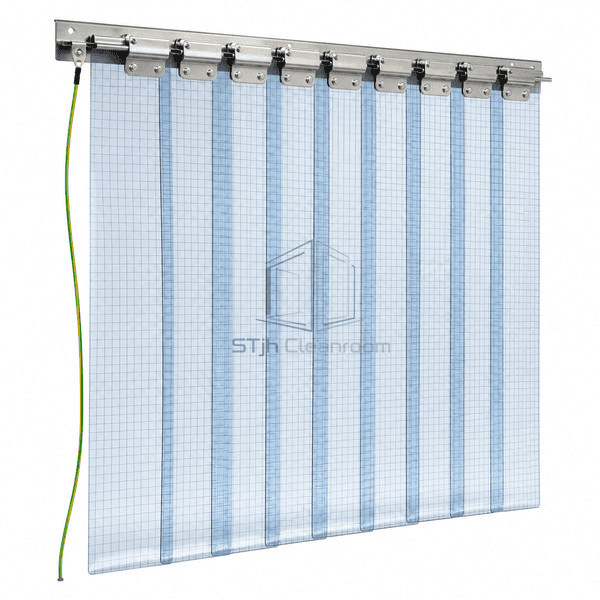
Address charge on parts and process-essential insulating fixtures near sensitive work.
Maintain appropriate static-control handling between workstations, storage areas and packing operations.


No products match your selection. Try another product type or a shorter search term.
Not generally. Ionization neutralizes charge where grounding is ineffective, particularly on necessary insulating items. Personnel and conductive items still need the grounding measures defined for the work area.
No. A material that limits charge generation does not necessarily provide discharge shielding. Choose packaging properties according to the component sensitivity and whether it travels outside an ESD protected area.
No. Static-control properties and cleanroom compatibility are separate considerations. Check particle release, cleanability and material compatibility in addition to the required electrical characteristics.
Share the workstation layout, handling activities and existing grounding arrangements. We can help select compatible ESD products and verification tools.