
 ภาษาอังกฤษ
 ภาษาเยอรมัน
 ภาษาอาหรับ
 ฝรั่งเศส
 ภาษาอินโดนีเซีย
 ภาษาญี่ปุ่น
 ภาษาเกาหลี
 ภาษามาเลย์
 ภาษาโปรตุเกส
 ภาษารัสเซีย
 ภาษาสเปน
 ภาษาไทยปัจจุบัน
 ภาษาตุรกี
 ภาษาเวียดนาม

เครื่องแต่งกายห้องสะอาด PPE และอุปกรณ์สิ้นเปลือง
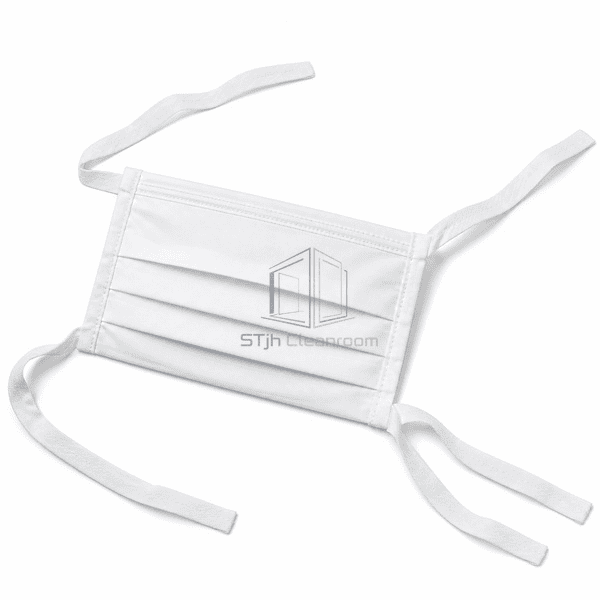
หน้ากากหน้าปลอดเชื้อ
A sterile white pleated cleanroom mask with low-lint outer film, soft ties and an enclosed adjustable nosepiece.
- Sterile pleat-style controlled-environment mask
- Four ultrasonically bonded soft ties
- Individually packaged and double bagged
การแนะนําสินค้า
The Sterile Face Mask combines a low-lint polyethylene process-facing layer with a protective inner structure and soft skin-facing material. Four ultrasonically bonded ties support secure positioning without relying on earloop tension, while a fully enclosed bendable nosepiece helps control the upper seal. Sterile individual packaging and double-bag transfer options support aseptic gowning workflows.
คุณสมบัติที่สําคัญ
Four soft ties permit independent crown and neck adjustment
Pleated body expands from nose to below the chin
Low-lint polyethylene outer layer faces the process
Enclosed nosepiece avoids exposed wire edges
ความกังวลของลูกค้าเกี่ยวกับผลิตภัณฑ์
Sterile masks require both intact packaging and correct aseptic donning. Tie placement, mask width and nose shaping must maintain coverage without contaminating the clean-facing surface.
Transfer packaging may not suit the facility's staged entry sequence.Select individually packaged, double-bagged supply for controlled transfer.
Loose ties can allow the mask to shift while speaking.Secure the upper ties first, shape the nosepiece, then fasten the lower ties.
Touching the mask front during donning can compromise aseptic handling.Use defined aseptic donning steps and handle only ties and clean edges.
A short body may pull away from the chin beneath a hood.Choose 180 or 230 mm body width based on facial and hood overlap needs.
การใช้งานทั่วไป
Used in aseptic pharmaceutical and biotechnology processing, sterile compounding, medical-device production, clean laboratories and controlled transfer activities requiring a sterile mask component.
พารามิเตอร์ทางเทคนิค
These values describe a sterile pleat-style cleanroom mask with soft ties. Sterile status and filtration data must remain traceable to the supplied configuration and packaging.
| วัสดุหลัก | Polyester or polypropylene filter with polyethylene outer and soft inner facing |
|---|---|
| ความหนาของแผง | 0.9–1.9 mm uncompressed |
| ความกว้างที่มีประสิทธิภาพ | 180–230 mm |
| ความยาวสูงสุด | 230 mm mask body width |
| ความหนาของเหล็กหันหน้า | 0 mm; no steel facing used |
| ความหนาแน่นหลัก | 75–145 kg/m³ apparent multilayer bulk density |
| การนําความร้อน | 0.035–0.060 W/(m·K), material dependent |
| เสร็จสิ้นพื้นผิว | Sterile white low-lint pleated outer with soft inner contact layer |
| ประเภทร่วม | Ultrasonically bonded perimeter and four ties with enclosed nosepiece |
| การปรับแต่ง | สามารถใช้ได้ตามแอปพลิเคชันที่ตั้งใจไว้และสภาพแวดล้อมการทํางาน |
ตัวเลือกที่มีอยู่
180 mm or 230 mm body widthFour soft ties or knitted earloopsPolyester or polypropylene filter structureIndividual sterile pouch and double-bag configurationWhite or application-specific outer colorPleat-style or pouch-style body
Planning a Sterile Face Mask specification?
ส่งมิติของคุณเงื่อนไขการติดตั้งเป้าหมายประสิทธิภาพและผิวที่ต้องการ