Unclear protection priorities lead to the wrong enclosure.
Start with the handled material and required protection, then compare cabinet classes, pressure strategies and barrier types against that application.

 Tiếng Anh
 Tiếng Đức, tiếng Đức
 Tiếng Ả Rập, tiếng Ả Rập
 Tiếng Pháp, tiếng Pháp
 Tiếng Indonesia (tiếng Việt)
 Tiếng Nhật
 Tiếng Hàn / tiếng Hàn
 Tiếng Mã Lai
 Tiếng Bồ Đào Nha, tiếng Bồ Đào Nha
 Tiếng Nga, tiếng Nga
 Tiếng Tây Ban Nha, tiếng Tây Ban Nha
 Tiếng Thái (tiếng Thái)
 Tiếng Thổ Nhĩ Kỳ, tiếng Thổ Nhĩ Kỳ
 Tiếng Việt / tiếng ViệtHiện tại

Separate sensitive operations from the surrounding environment with equipment selected around your people, products and materials. Explore biological safety cabinets, aseptic isolators, containment isolators and barrier systems, together with transfer interfaces that connect each process step. Tell us what you handle and how operators work so we can help you compare suitable configurations without treating every enclosed workspace as the same solution.
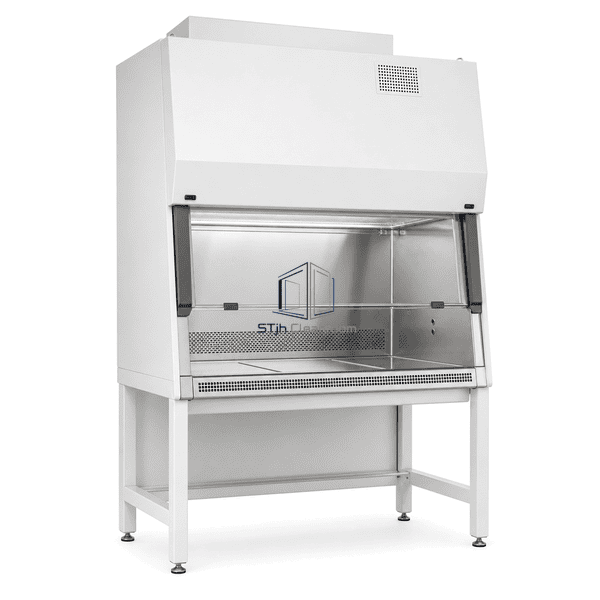
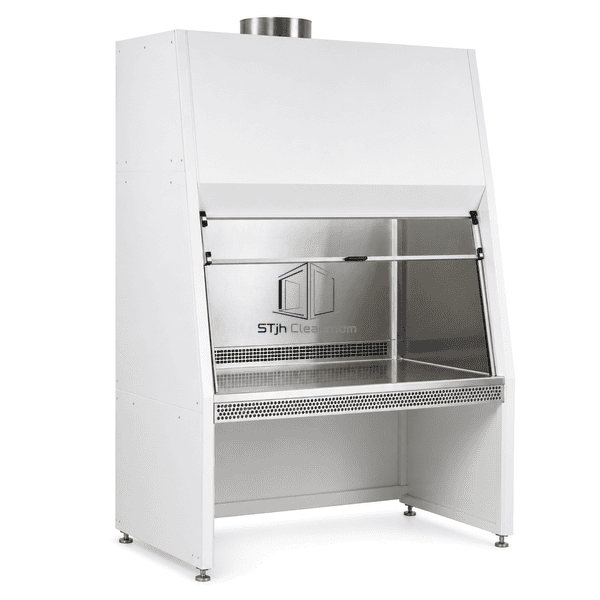
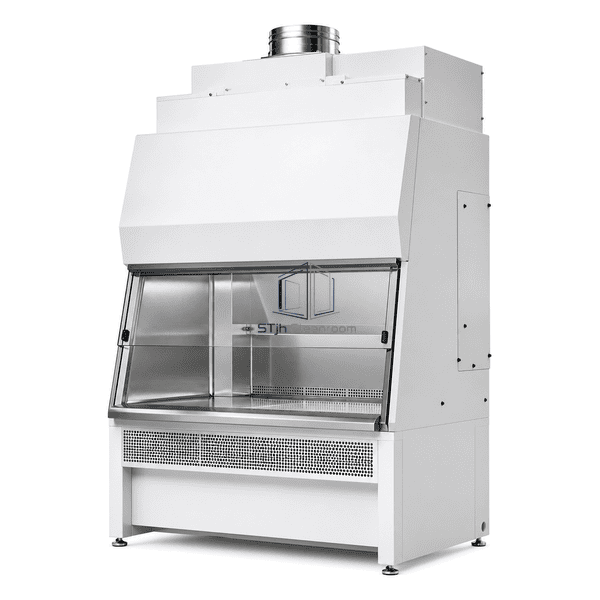
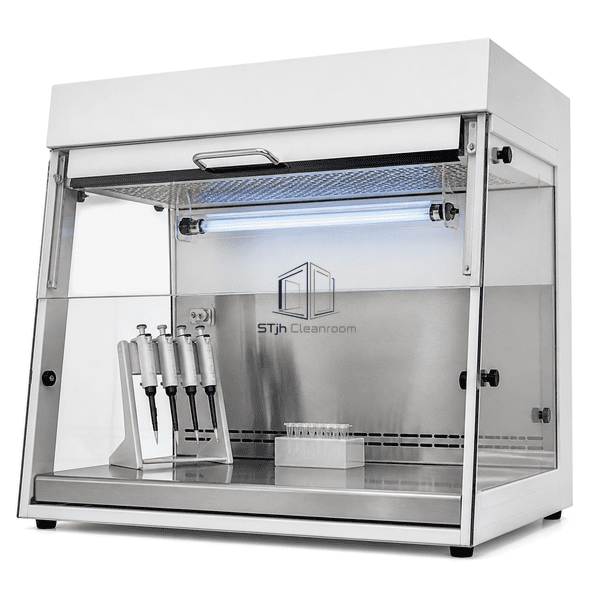
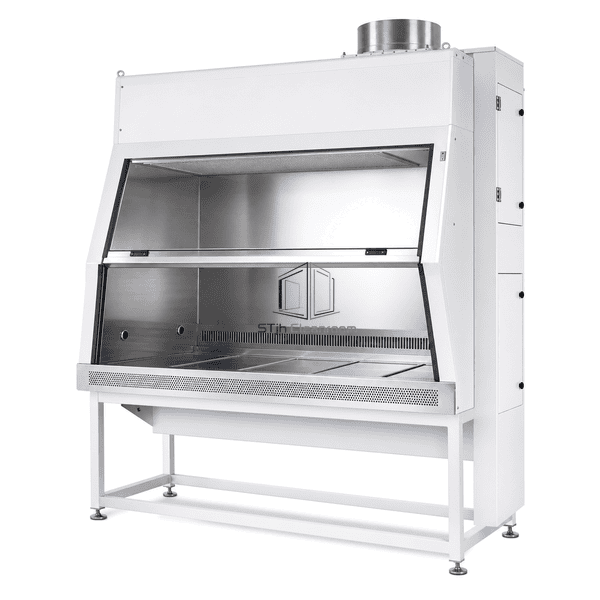
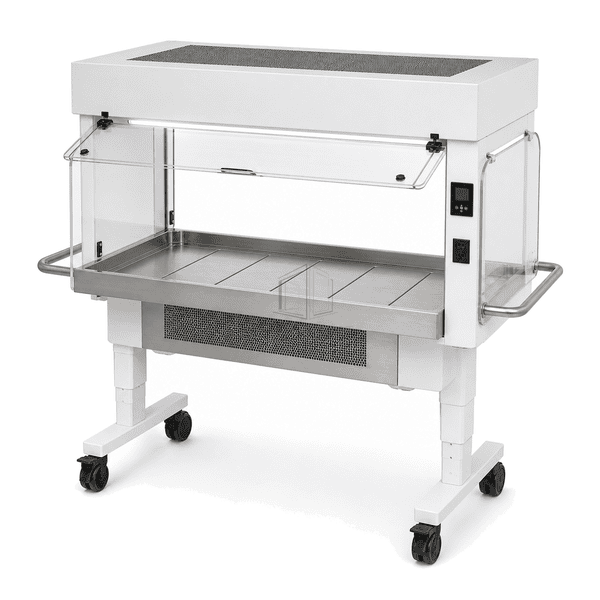
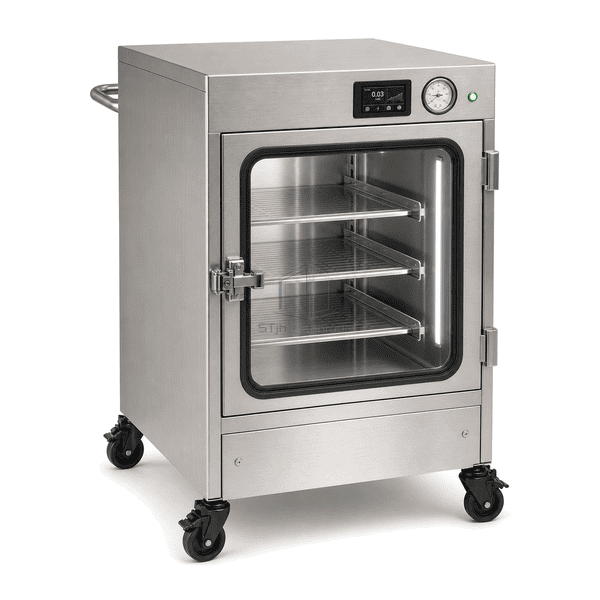
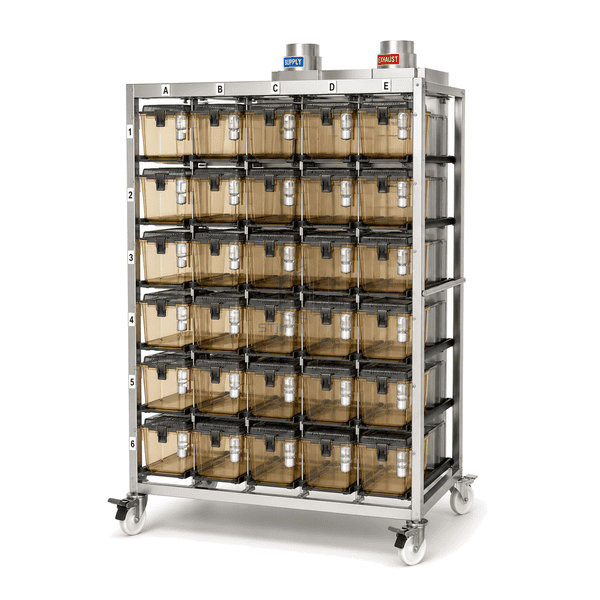
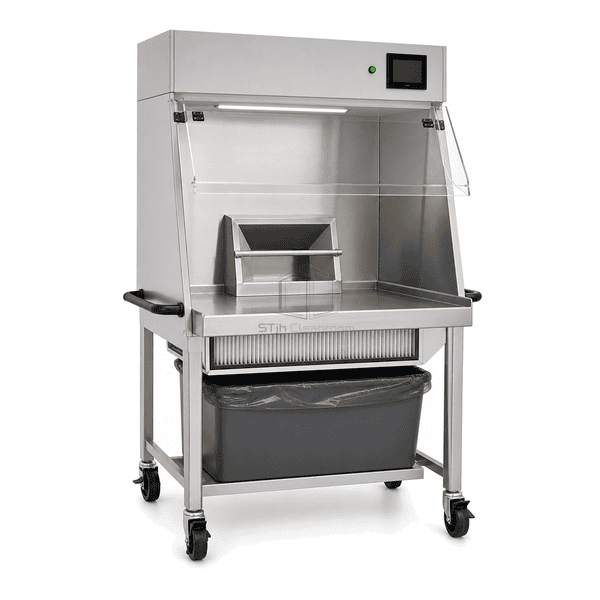
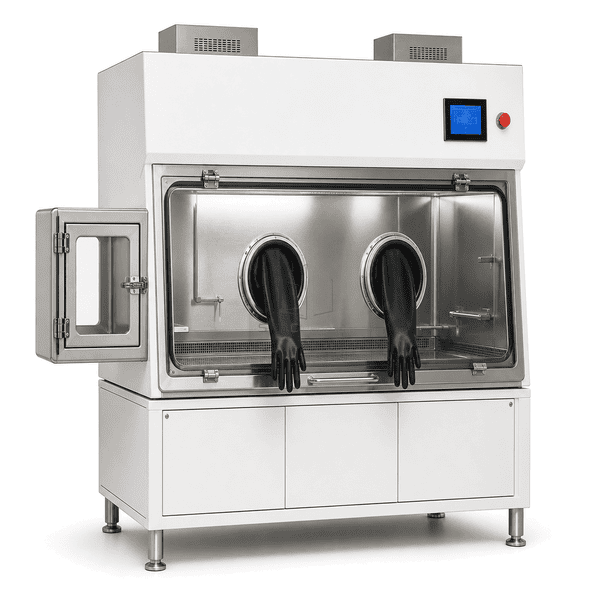
Compare biological safety cabinets and animal workstations by protection objective, working access and exhaust arrangement. Select the equipment type for the actual manipulation rather than its appearance.
Explore Products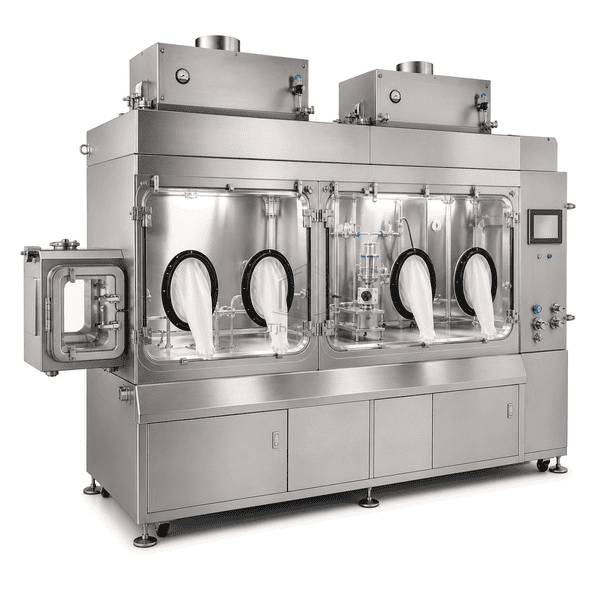
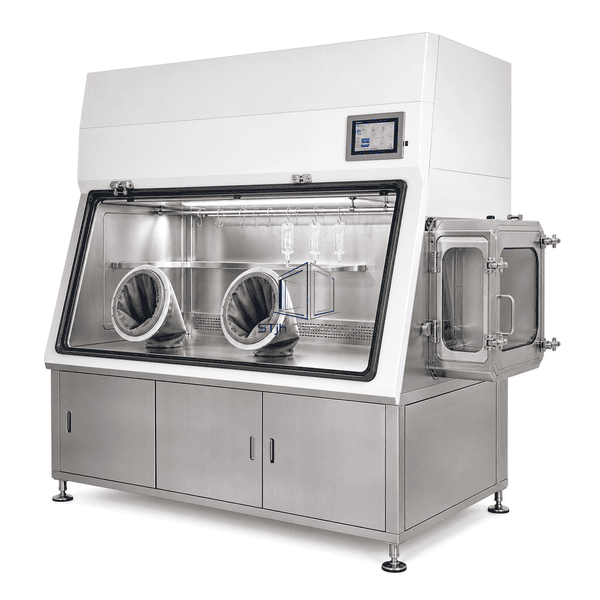
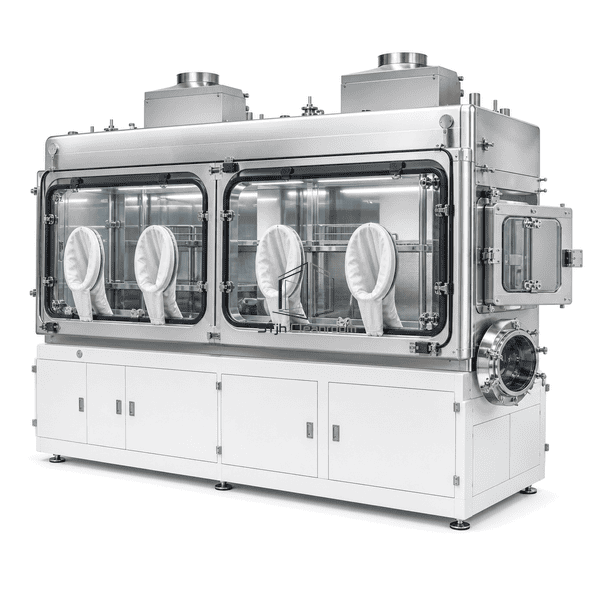
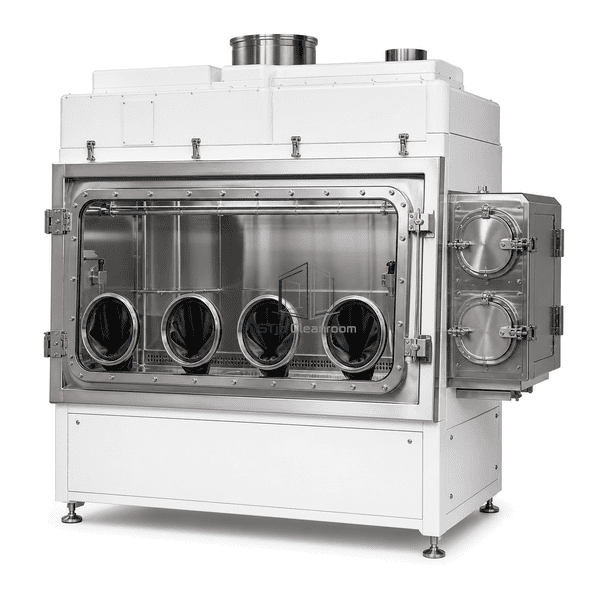
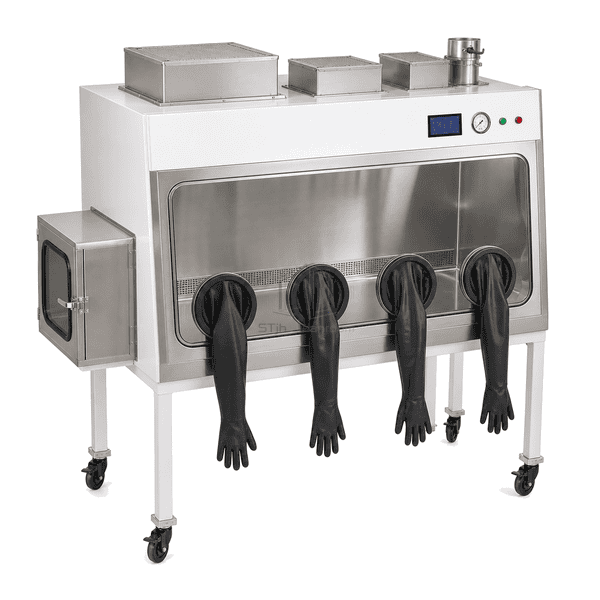
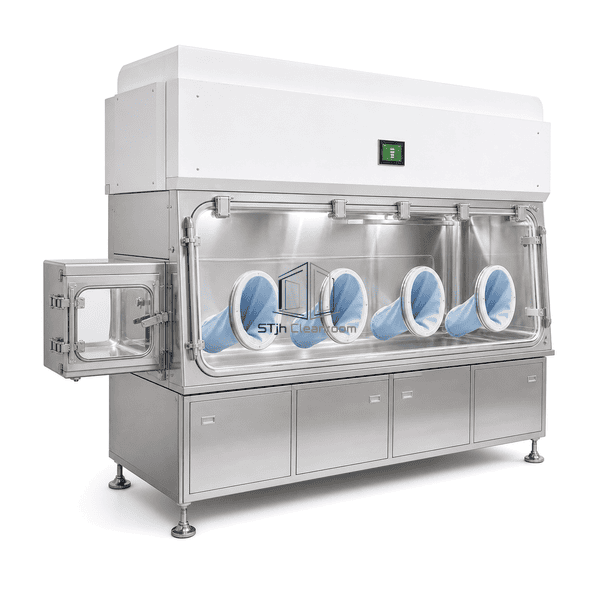
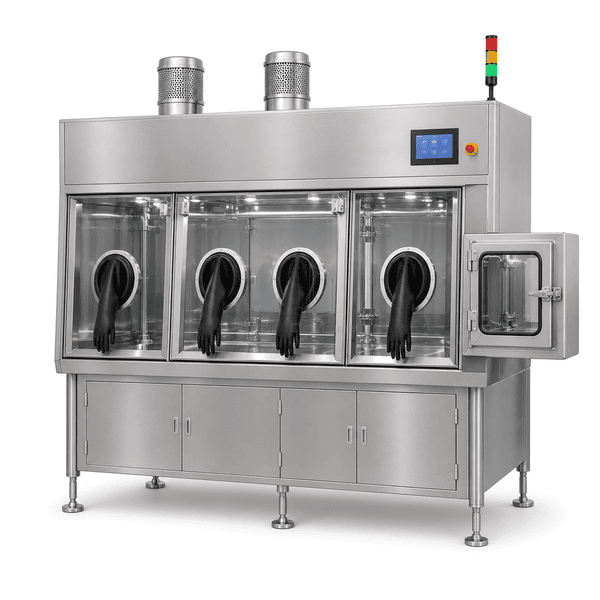
Create a separated workspace for aseptic handling or sterility testing. Consider chamber volume, glove access, transfer arrangements and the intended cleaning or decontamination process together.
Explore Products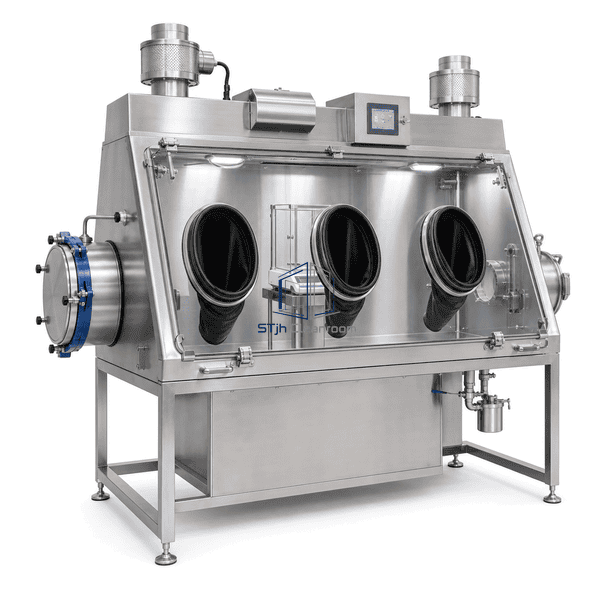
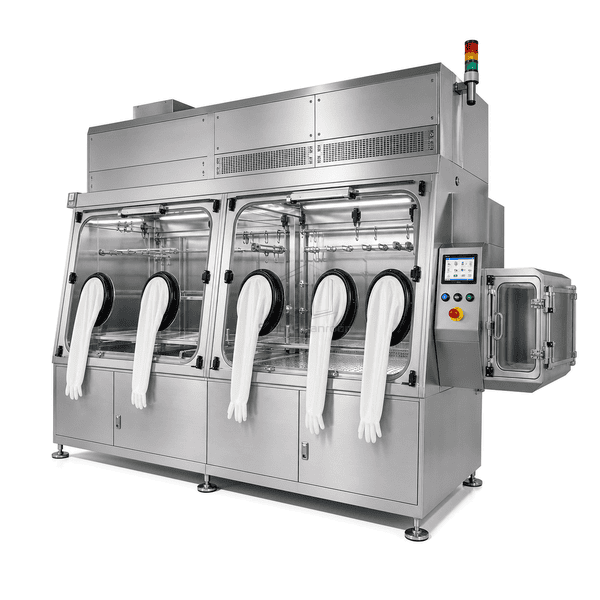
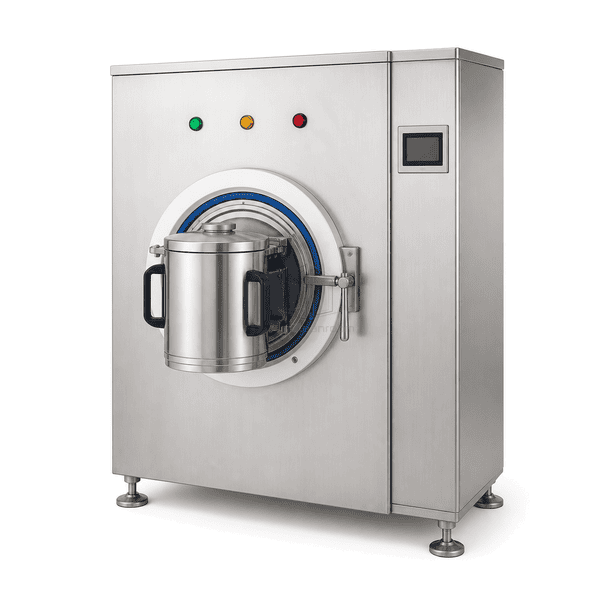
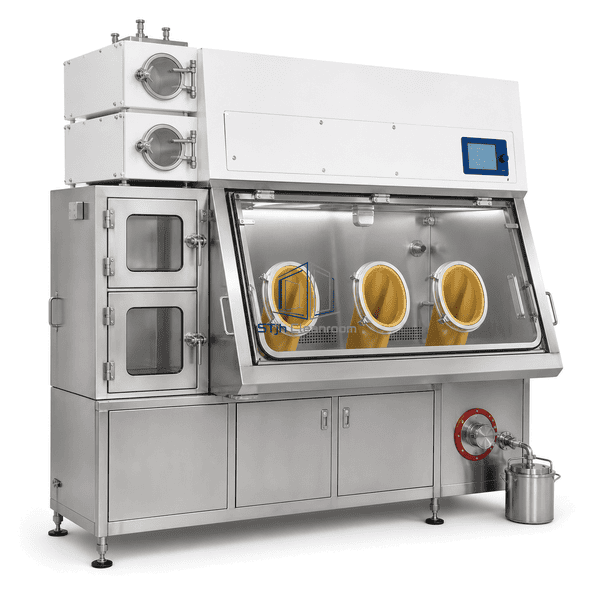
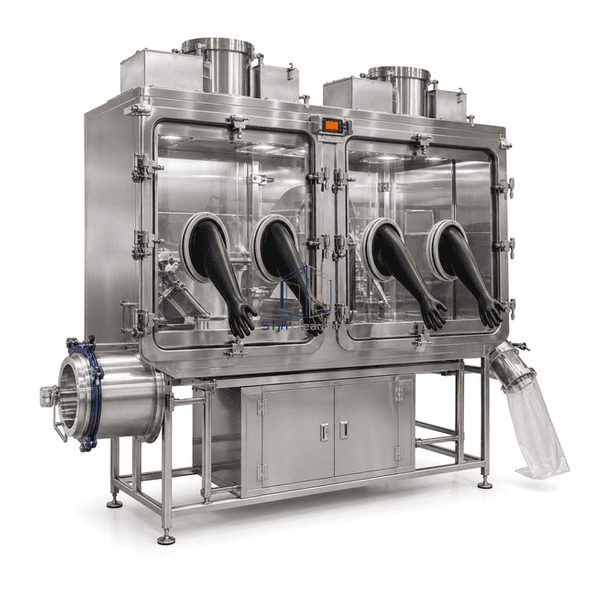
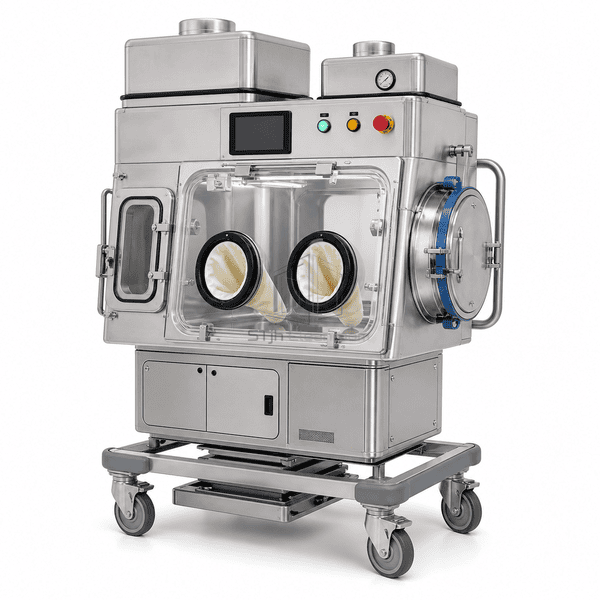
Explore isolators for dispensing, compounding and enclosed handling. Match pressure strategy and transfer interfaces to the material hazards, protection requirements and operator tasks.
Explore Products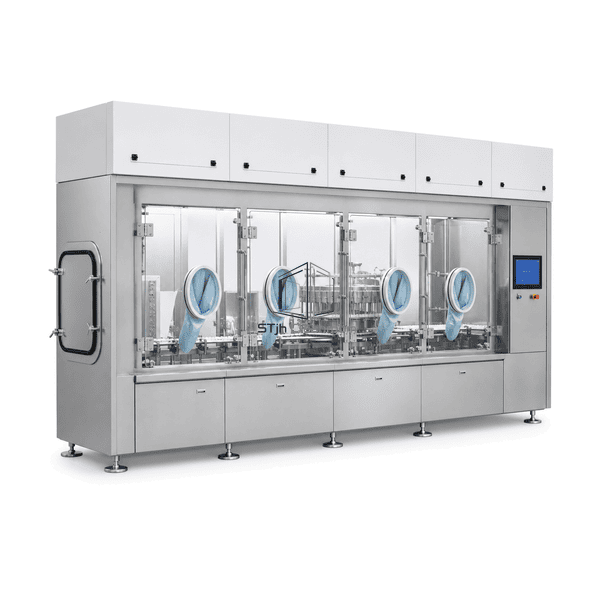
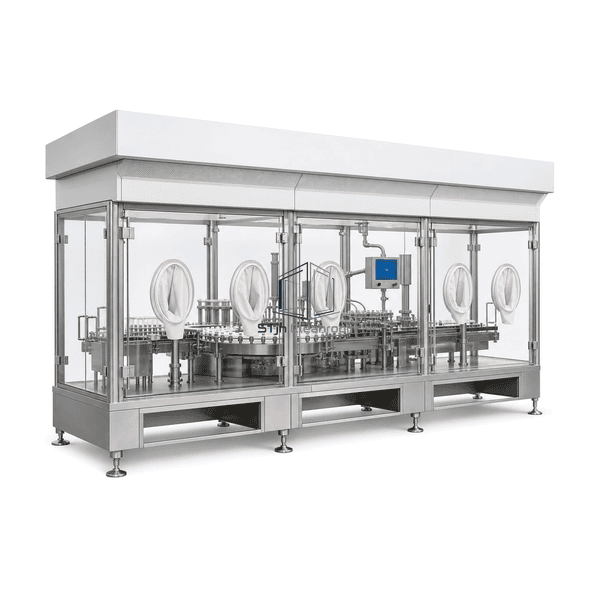
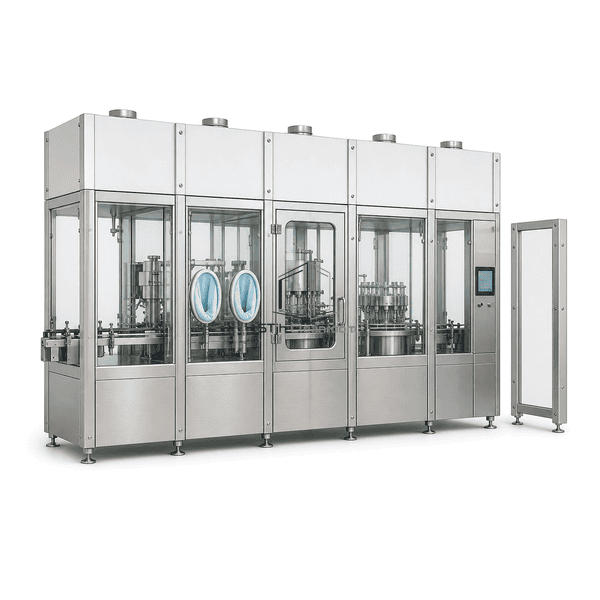
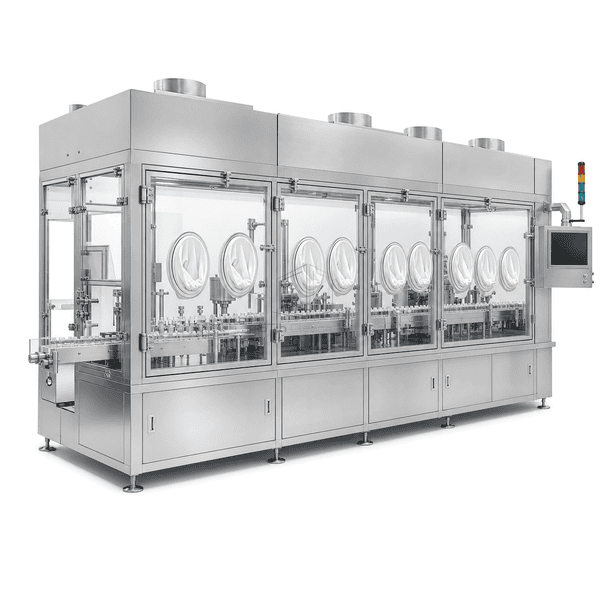
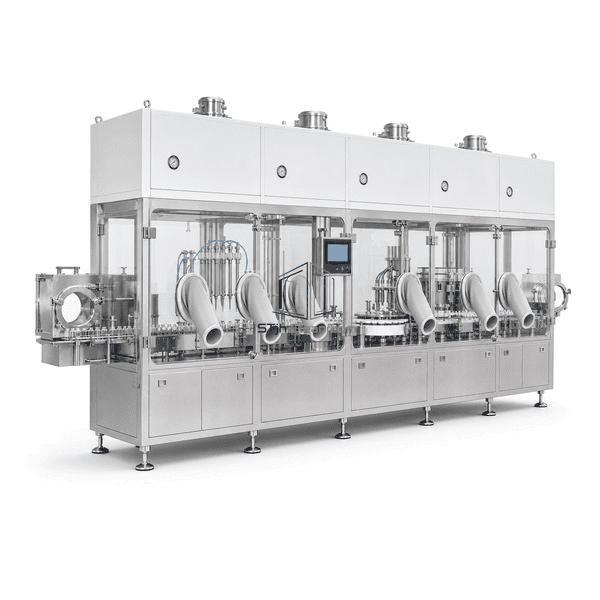
Limit direct access around sensitive production operations with open, closed or modular barriers. Compare intervention needs, surrounding cleanroom conditions and equipment integration before selecting a system.
Explore Products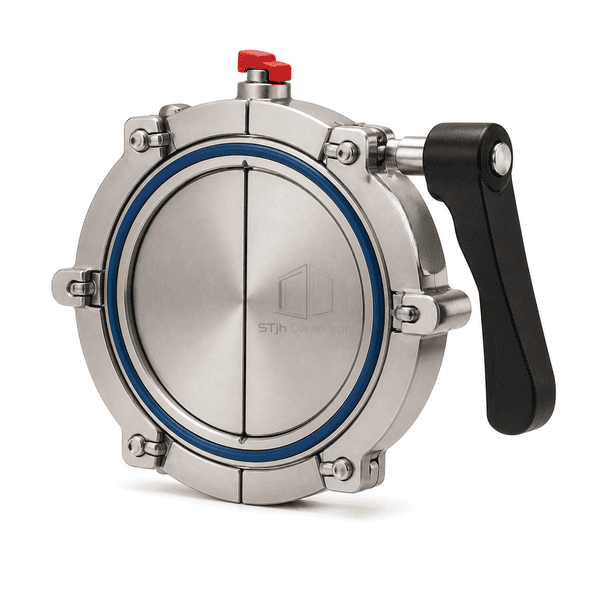
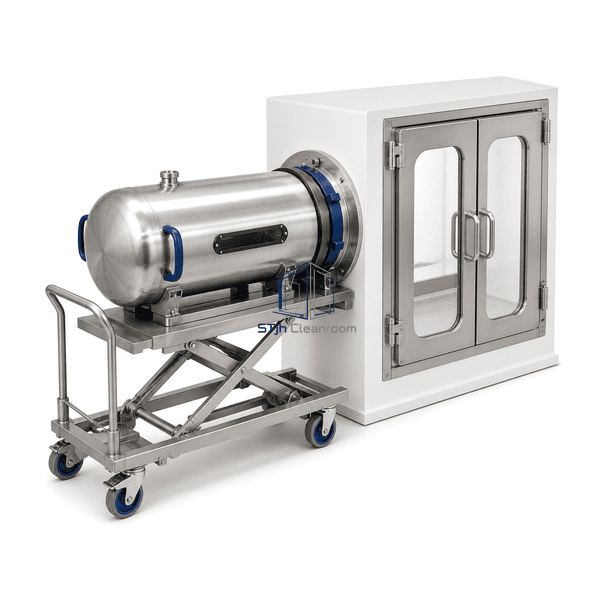
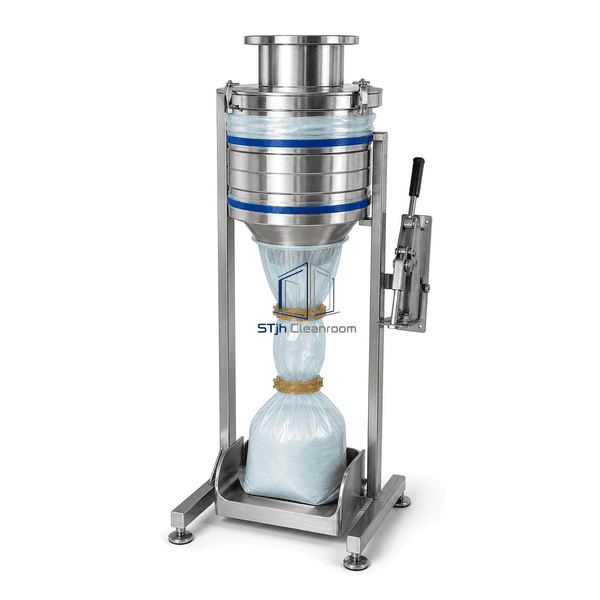
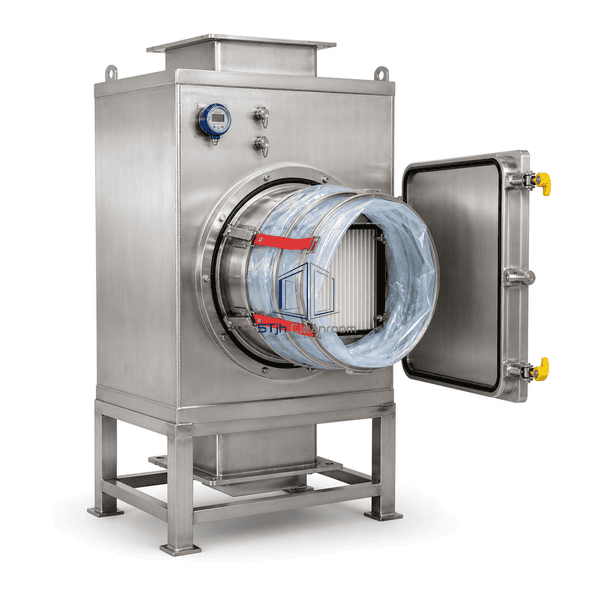
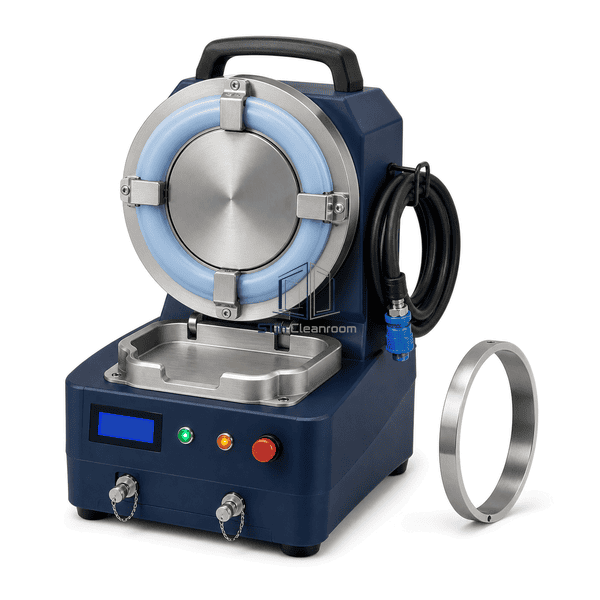
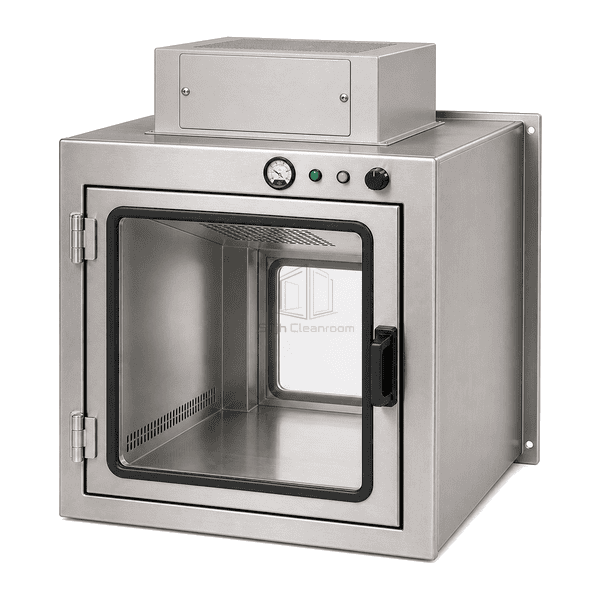
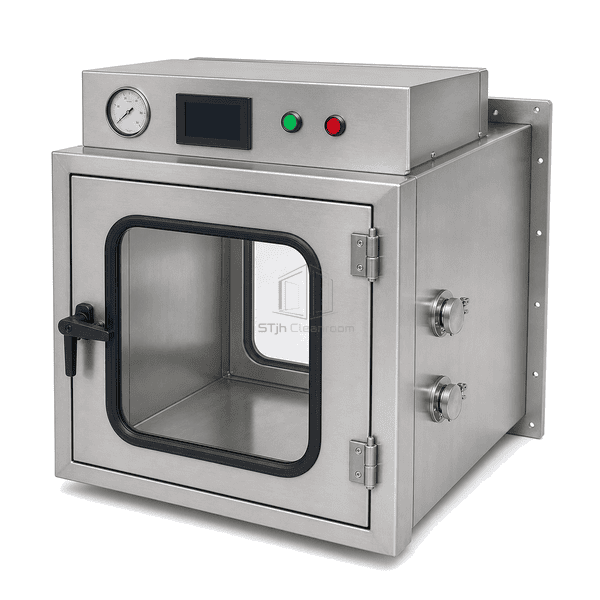
Address the points where materials cross a controlled boundary. Compare ports, valves, liners and transfer chambers around container geometry, cleaning needs and the required separation strategy.
Explore Products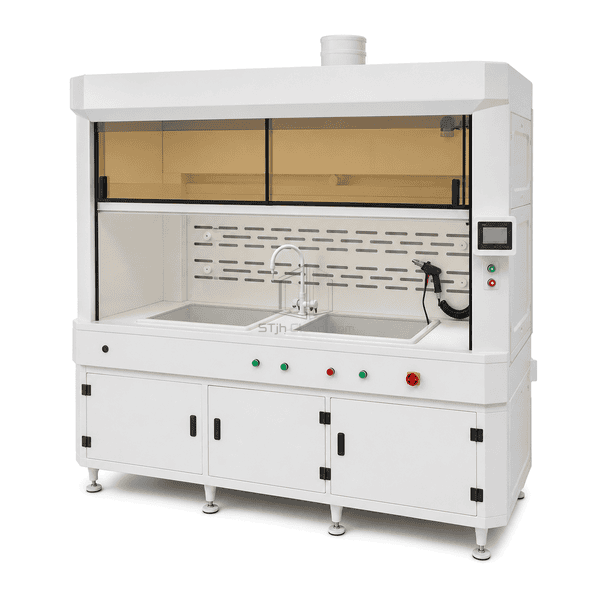
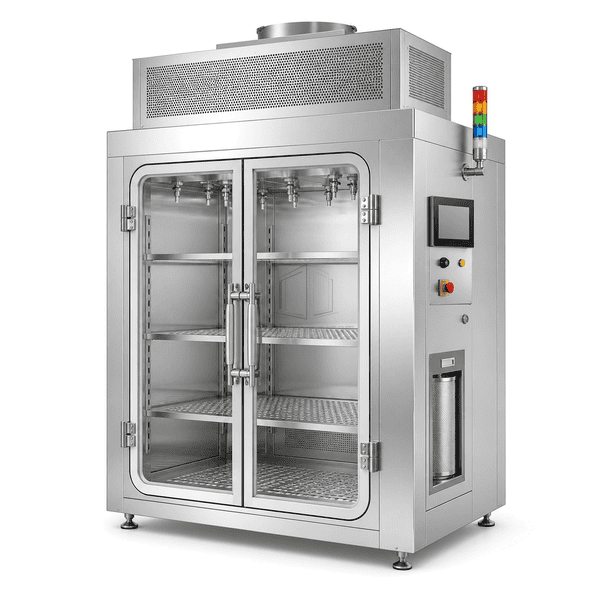
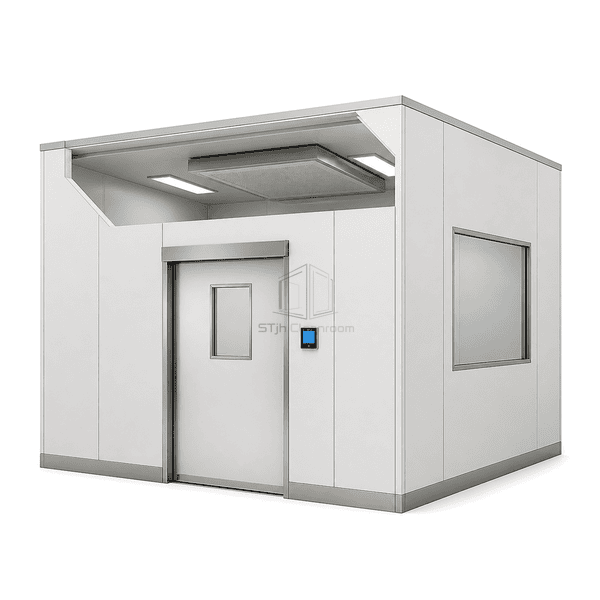
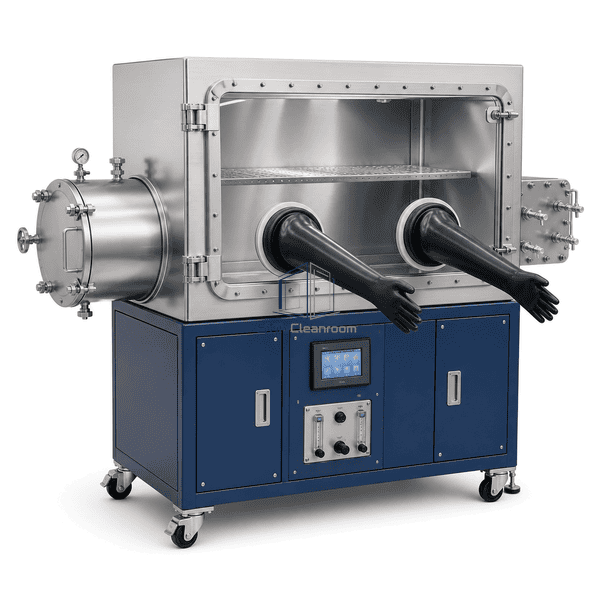
Explore specialized wet-process and isolation arrangements for distinct facility needs. Define chemicals, exhaust conditions and room functions first; these systems serve different purposes and require application-specific selection.
Explore ProductsAn enclosure is useful only when its protection strategy matches the process. Aseptic operations focus on limiting contamination of exposed product, while containment applications address material escaping toward operators or the room. Biological safety cabinets add their own class-specific airflow requirements. These approaches are related, but they are not interchangeable.
Our range lets you compare open-front cabinet access, glove-based isolation and restricted-access barriers. The right choice depends on the material, manipulation frequency, equipment footprint and cleaning routine. A product-protection workstation should never be assumed to contain hazardous aerosols simply because it supplies filtered air.
Transfers deserve as much attention as the working chamber. Rapid transfer ports, split butterfly valves, transfer isolators and filter-change arrangements can help address vulnerable handover points. Share the complete sequence, including loading, processing, waste removal and maintenance, so the proposed equipment supports the whole operation.
Start with the handled material and required protection, then compare cabinet classes, pressure strategies and barrier types against that application.
Consider dedicated transfer chambers or compatible transfer ports to reduce the need to open the main process enclosure.
Review vessel sizes, instrument positions, glove access and maintenance clearances when choosing chamber dimensions and interfaces.
Discuss material compatibility, accessible internal surfaces and suitable decontamination or safe-change arrangements as part of the equipment selection.
Cabinet selection for biological manipulations where user, sample and environmental protection requirements must be distinguished.
Isolator and barrier arrangements for exposed-product operations, sterility testing and controlled interventions.
Contained dispensing and transfer configurations selected against the process risk assessment and handling sequence.
No products match your selection. Try another product type or a shorter search term.
No. A clean bench principally protects the work product with filtered airflow. Biological safety cabinets are selected for specific containment duties. Do not use a product-protection bench as a substitute for hazard-appropriate containment.
The answer depends on the process. Product protection and hazardous-material containment can require different strategies. Provide the material risks and surrounding room conditions before choosing the pressure arrangement.
Yes, transfer options are part of this range. Chamber dimensions, connection geometry, materials and operating sequences need to be matched so the components work together in your intended process.
Send the material, workflow and available space. We will help you compare suitable enclosure and transfer options for a focused quotation.