
 ภาษาอังกฤษ
 ภาษาเยอรมัน
 ภาษาอาหรับ
 ฝรั่งเศส
 ภาษาอินโดนีเซีย
 ภาษาญี่ปุ่น
 ภาษาเกาหลี
 ภาษามาเลย์
 ภาษาโปรตุเกส
 ภาษารัสเซีย
 ภาษาสเปน
 ภาษาไทยปัจจุบัน
 ภาษาตุรกี
 ภาษาเวียดนาม

เครื่องแต่งกายห้องสะอาด PPE และอุปกรณ์สิ้นเปลือง
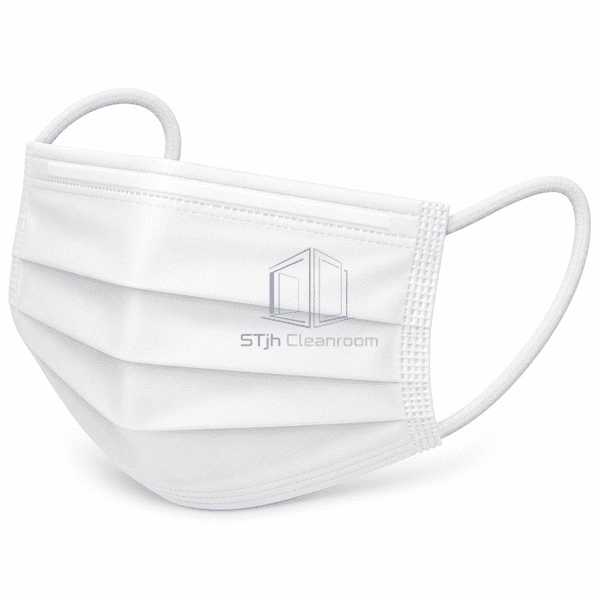
Cleanroom หน้ากากใบหน้า
A low-lint pleated cleanroom face mask with a polyethylene outer layer, soft inner facing and adjustable nosepiece.
- Low-lint polyethylene outer layer
- Pleated coverage with enclosed nosepiece
- Earloops or soft-tie configurations
การแนะนําสินค้า
The Cleanroom Face Mask uses a pleated rectangular body to cover the nose and mouth while limiting fiber release toward the controlled workspace. A smooth white polyethylene outer layer faces the process, a soft inner layer supports wearer comfort, and an enclosed bendable nosepiece helps reduce gaps across the bridge. Earloops or ultrasonically bonded ties can be selected for the gowning method.
คุณสมบัติที่สําคัญ
Expandable pleats increase nose-to-chin coverage
Fully enclosed flexible nose strip supports facial adjustment
Soft inner-facing layer manages direct skin contact
Choice of knitted earloops or soft ties
ความกังวลของลูกค้าเกี่ยวกับผลิตภัณฑ์
A cleanroom mask must remain stable without creating exposed fibers or large facial gaps. Width, nose adjustment and fastening style affect both coverage and compatibility with hoods and eyewear.
Gaps beside the nose can direct exhaled air toward eyewear.Use a soft enclosed nosepiece and form it evenly across the bridge.
A narrow mask may lose chin coverage during speaking.Select 180 or 230 mm width according to facial coverage needs.
Conventional paper-like outer layers may shed toward the process.Specify a smooth low-lint polyethylene outer layer.
Earloop tension may conflict with long-duration gowning.Choose knitted earloops or soft ties to match hood and comfort requirements.
การใช้งานทั่วไป
Suitable for pharmaceutical production, biotechnology laboratories, medical-device assembly, semiconductor support areas, clean packing and other controlled tasks requiring mouth-and-nose coverage.
พารามิเตอร์ทางเทคนิค
These configurable values describe a non-sterile cleanroom face mask. Final filtration and processing requirements must be selected for the actual controlled-environment program.
| วัสดุหลัก | Polypropylene or polyester filter layer with polyethylene outer film |
|---|---|
| ความหนาของแผง | 0.8–1.8 mm uncompressed |
| ความกว้างที่มีประสิทธิภาพ | 180–230 mm |
| ความยาวสูงสุด | 230 mm mask body width |
| ความหนาของเหล็กหันหน้า | 0 mm; no steel facing used |
| ความหนาแน่นหลัก | 70–140 kg/m³ apparent multilayer bulk density |
| การนําความร้อน | 0.035–0.060 W/(m·K), material dependent |
| เสร็จสิ้นพื้นผิว | White low-lint pleated polyethylene outer with soft inner facing |
| ประเภทร่วม | Ultrasonically bonded perimeter with enclosed nosepiece and earloops or ties |
| การปรับแต่ง | สามารถใช้ได้ตามแอปพลิเคชันที่ตั้งใจไว้และสภาพแวดล้อมการทํางาน |
ตัวเลือกที่มีอยู่
180 mm or 230 mm body widthKnitted earloops, soft ties or dual headbandsPolypropylene or polyester filter layerWhite or blue process-facing outer layerStandard or cleanroom-compatible packagingNon-sterile or separately specified sterile configuration
Planning a Cleanroom Face Mask specification?
ส่งมิติของคุณเงื่อนไขการติดตั้งเป้าหมายประสิทธิภาพและผิวที่ต้องการ