Negative-pressure filtration
The fan draws dust-laden air through the outside of the filter. Dust stays on the outer surface while filtered air passes through to the clean side.
Air Purification Equipment
| Brand | ST |
|---|---|
| Material | Spray-coated steel / stainless steel |
| Overall dimensions | 630 × 600 × 1580 mm |
| Airflow | 2000 m³/h |
| Air pressure | 2.1 kPa |
| Dust collection capacity | 80 L × 1 |
| Suction inlet diameter | 100–150 mm |
| Filtration method | Negative-pressure, outside-to-inside filtration |
| Filter cleaning | Reverse-pulse cleaning |
| Power | 1.5 W |
| Power supply | 380 V / 50 Hz |
| Weight | 170 kg |
| Customization | Available |
Specifications can be customized to your requirements.
Specify the quantity and configuration in your inquiry.
Industrial Pulse Dust Collector draws dusty air from the work area into a filter chamber, where particles collect on the outside of the filter media. Reverse pulses of compressed air dislodge the accumulated dust into the collection container, helping restore airflow as the filter loads during use.
This arrangement reduces the need to remove the filter for every cleaning cycle and brings dust into a container for disposal instead of letting it spread around the workstation. The movable cabinet and adjustable extraction arm help position the pickup point beside changing work areas.
FILTRATION AND CLEANING
The fan draws dust-laden air through the outside of the filter. Dust stays on the outer surface while filtered air passes through to the clean side.
A pulse controller operates the cleaning valve to send short bursts of compressed air back through the filter. The released dust falls into the collection container, reducing the resistance caused by buildup.
PTFE-coated or polyester-based filter options can be selected for the dust. Use washable media where specified; after washing, dry it in a shaded, ventilated place before reuse.
The differential-pressure gauge helps track filter loading. Compressed-air pressure adjustment and oil/water separation support consistent pulse cleaning.
The extraction arm can be repositioned near the source, while castors and accessible controls help move and operate the unit around workshop stations.
APPLICATIONS
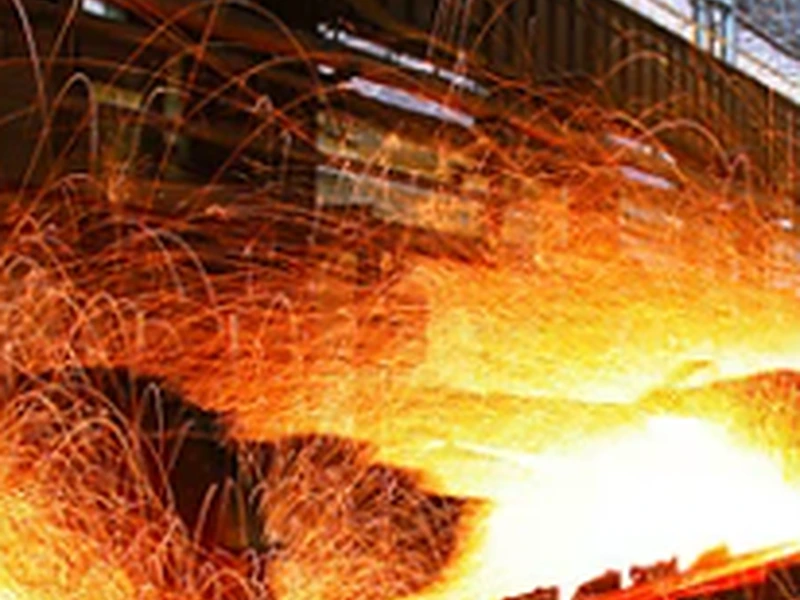
Collect cooled process dust at appropriate pickup points, selecting the filter and inlet protection for the material and temperature.
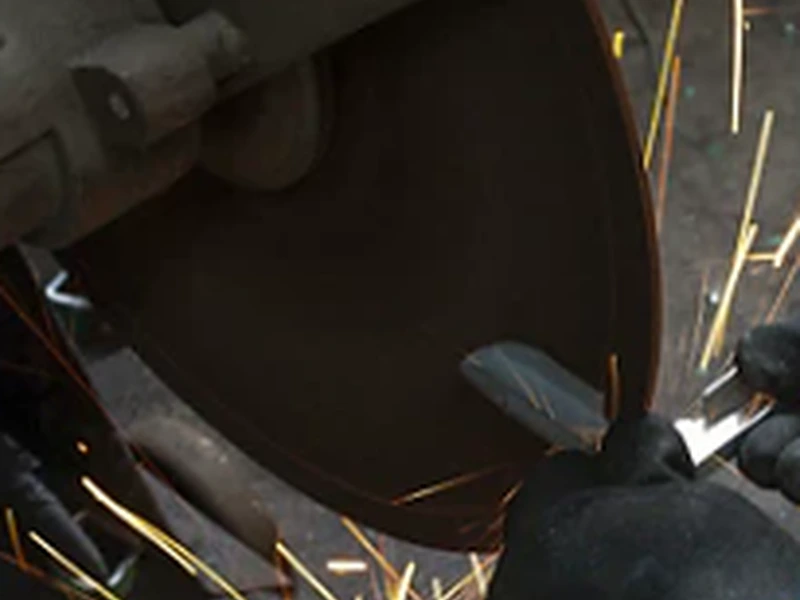
Capture particulate near the tool, with the inlet arrangement matched to the dust and any generated sparks.
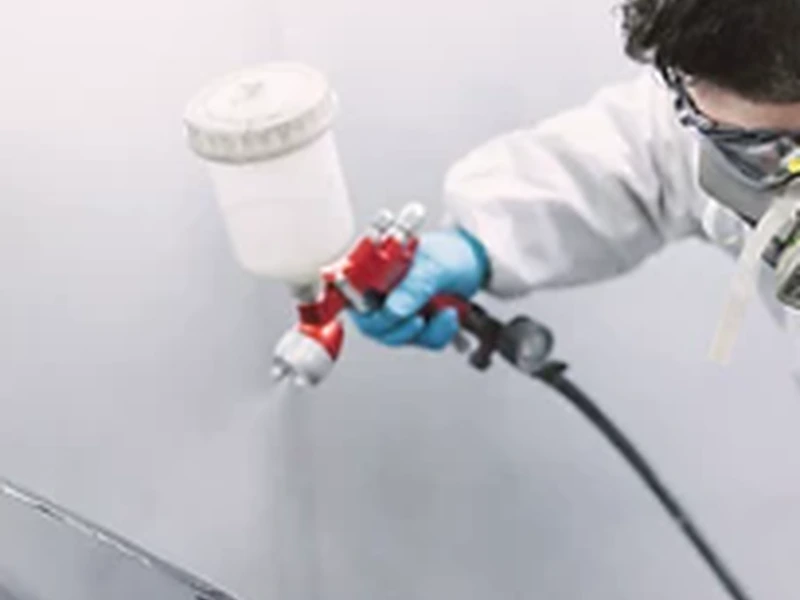
Consider particulate collection where the filter is selected for the coating process and the material being captured.
Provide local collection around powder-handling operations, matching the material, containment and cleaning arrangement to the process.
Collect process dust near machining, trimming or other particulate-generating work areas to limit its spread around components.
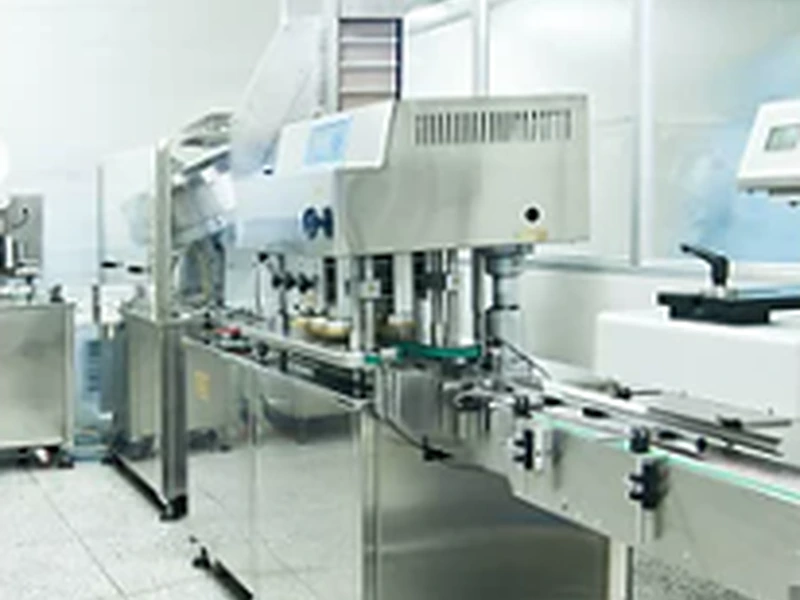
Collect powder or ingredient dust near handling points using a configuration suited to the product and hygiene requirements.
SELECTION AND MAINTENANCE
Select the filter and protective configuration for particle size, moisture, temperature and combustible-dust characteristics. These conditions determine the appropriate collection arrangement.
Coordinate the suction inlet, hose route, electrical supply and compressed-air service with the workstation. Keep the hood close to the source and limit restrictive hose bends.
Empty the dust container before it interferes with collection. Check filter pressure, pulse valves and compressed-air quality, and adjust cleaning to the actual dust load.
PROCUREMENT / INQUIRY
Tell us the quantity and configuration you need. This product will be included automatically.
Fields marked * are required.