
 Bahasa Inggeris
 Bahasa Jerman
 Bahasa Arab (Bahasa Melayu)
 Bahasa Perancis
 Bahasa Indonesia: Bahasa Indonesia
 Bahasa Jepun
 Bahasa Korea (Bahasa Melayu)
 Bahasa Melayu (Bahasa Melayu)Semasa
 Bahasa Portugis: Bahasa Portugis: Bahasa Portugis
 Bahasa Rusia
 Bahasa Sepanyol: Bahasa Sepanyol: Bahasa Sepanyol
 Bahasa Melayu (Bahasa Melayu)
 Bahasa Turki: Bahasa Turki
 Bahasa Vietnam (Bahasa Melayu)

Some cleanroom operations need a cleaner local environment than the surrounding room can provide on its own. Laminar flow equipment supplies filtered air in a controlled, generally unidirectional pattern across a critical work zone, helping carry airborne contamination away from exposed product or components.
The critical-zone problem
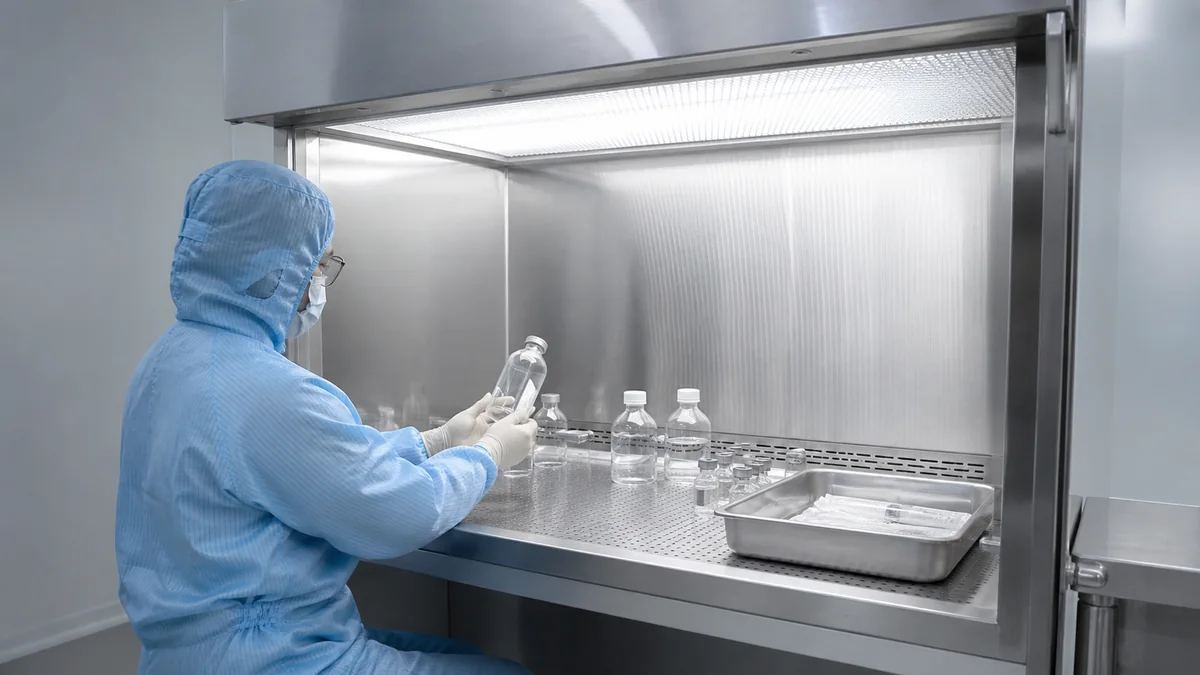
Operators, tools and nearby equipment can interrupt airflow. A general room supply may not provide a predictable path over the most sensitive operation. A laminar flow hood, booth or ceiling canopy places the clean-air source closer to the process and defines a protected working area.
How airflow protection is maintained
The supply filter, diffuser and fan system create a controlled air pattern. Work should be arranged so that clean air reaches the critical surface before passing over contamination sources. Large objects, hands and equipment should not block first air or create strong turbulence around exposed items.
Selection and layout questions
- What part of the process requires direct clean-air protection?
- Is the airflow vertical or horizontal, and where will it return?
- How much working clearance is required for equipment and operator movement?
- Will the unit be freestanding, bench-mounted, ceiling-mounted or integrated into an enclosure?
- How will filters, lights and fans be serviced without contaminating the work zone?
What it can and cannot solve
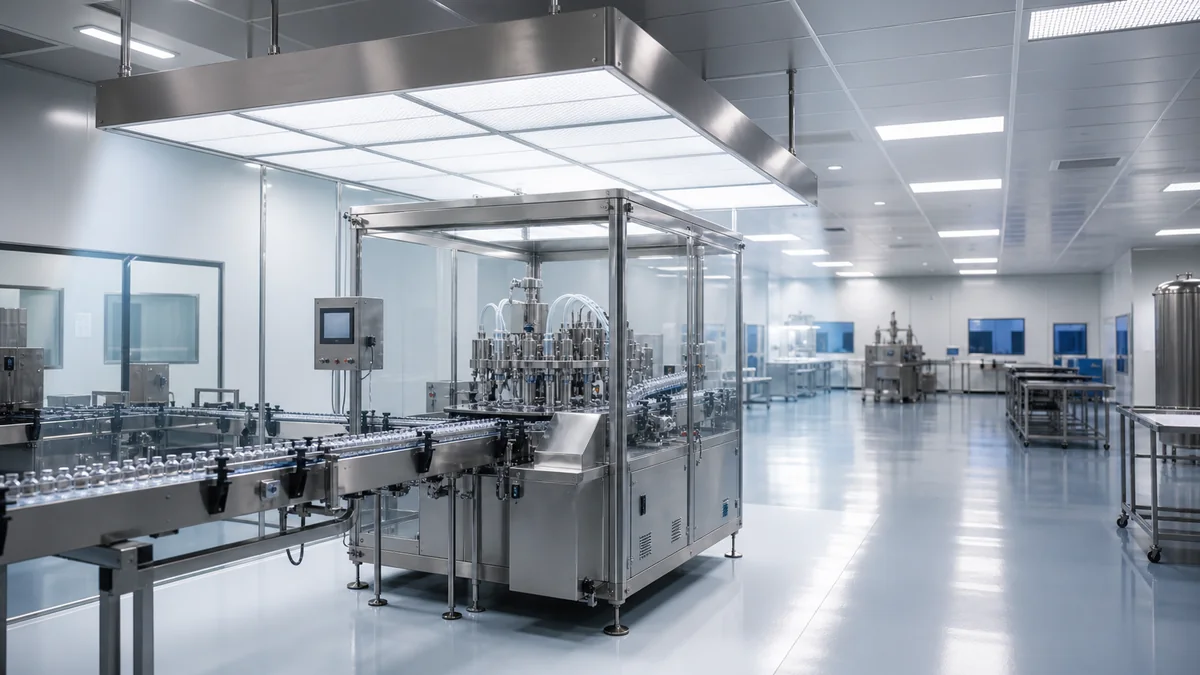
Laminar flow equipment can improve local airborne contamination control when correctly located and operated. It does not replace room pressure, cleaning, gowning or process controls. The protection level also depends on actual equipment arrangement and operator practice, so the work zone should be assessed as a complete system.
Define the process before the hood
Provide the work dimensions, critical locations, equipment height, operator access, heat load, required enclosure, room conditions and maintenance approach. This allows the hood or canopy to be selected around the real workflow.
Explore laminar flow and containment equipment, or share your critical process layout.